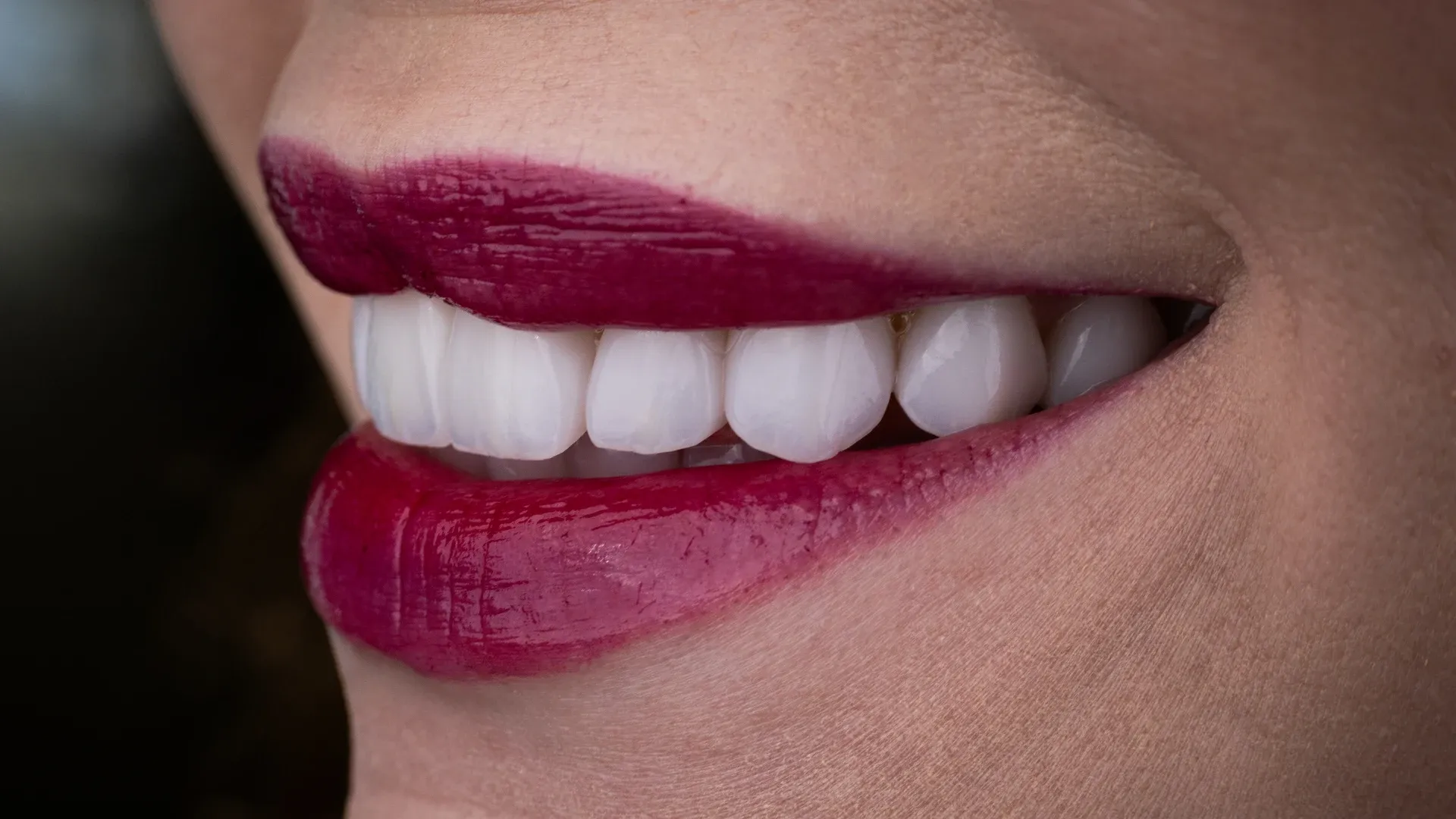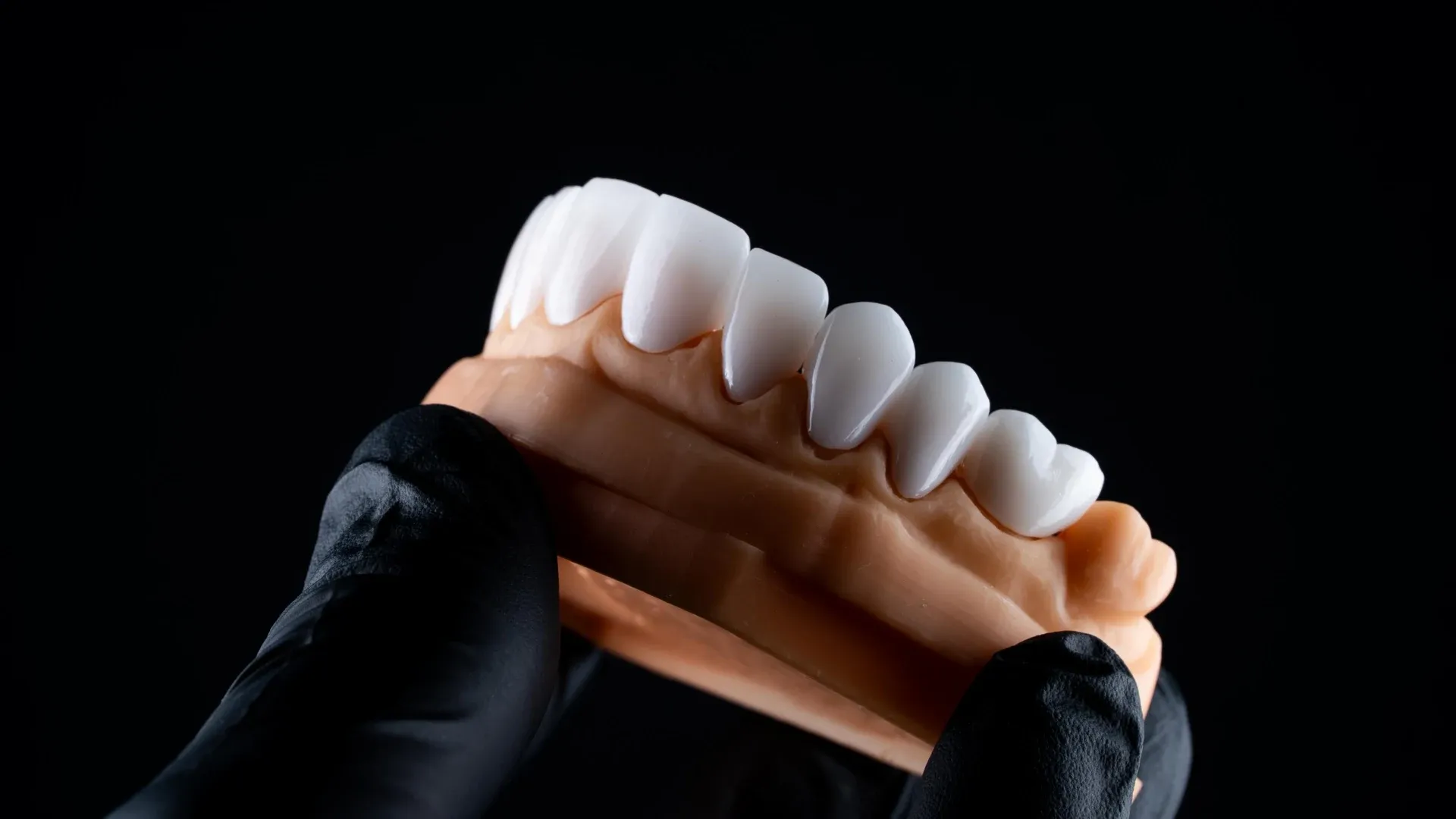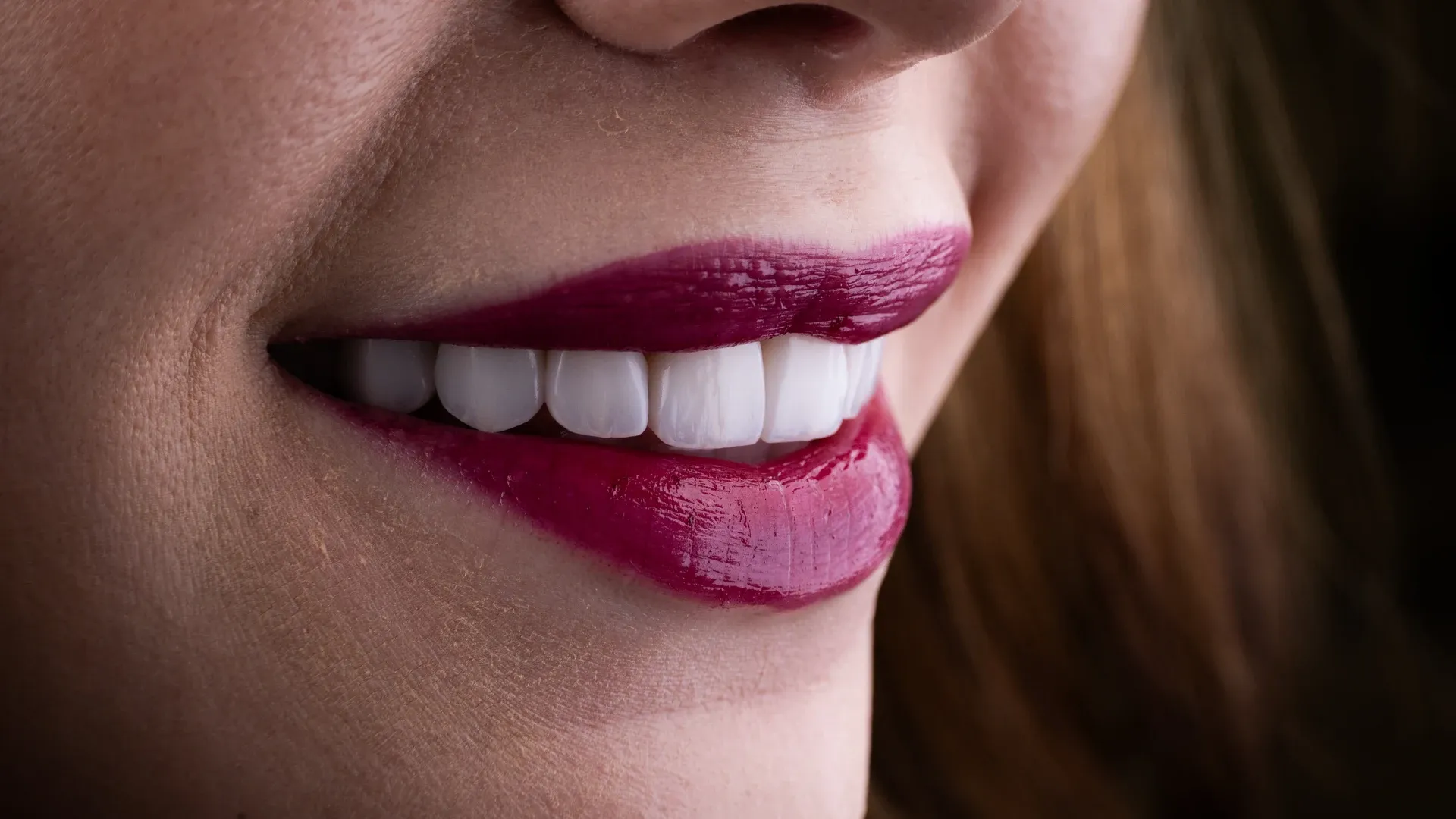
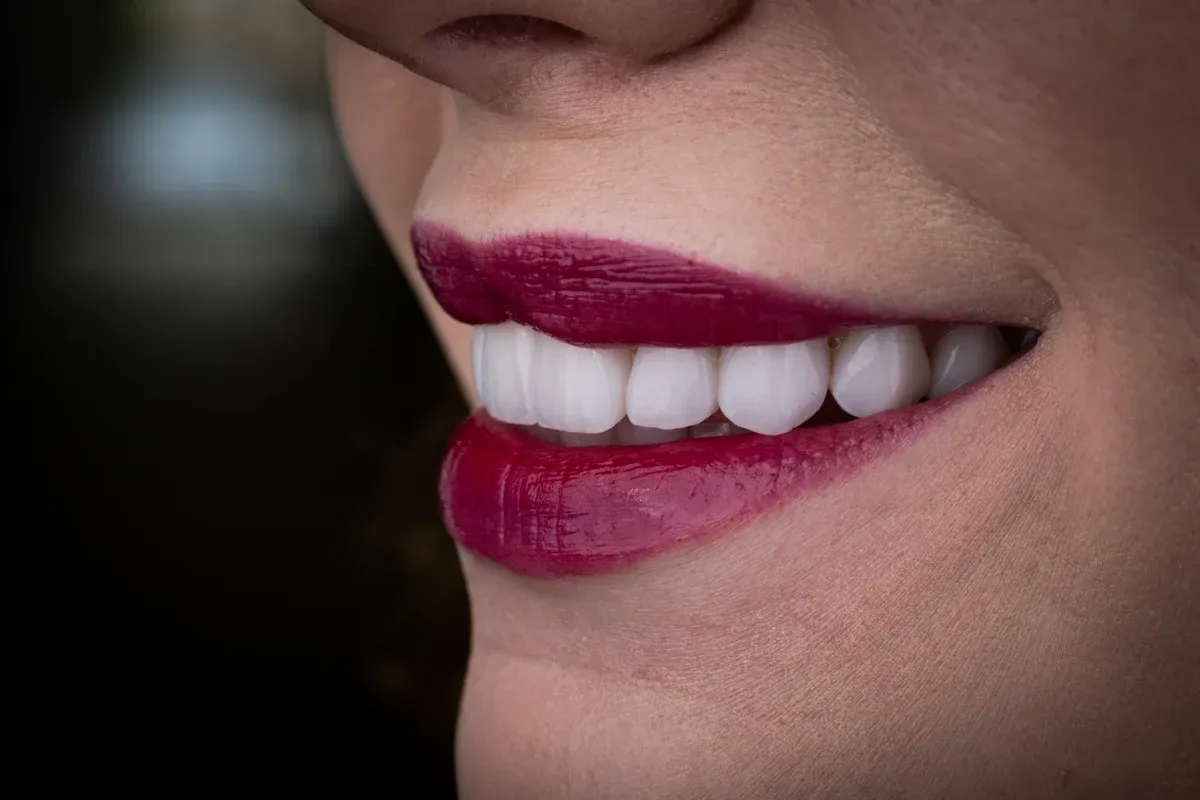

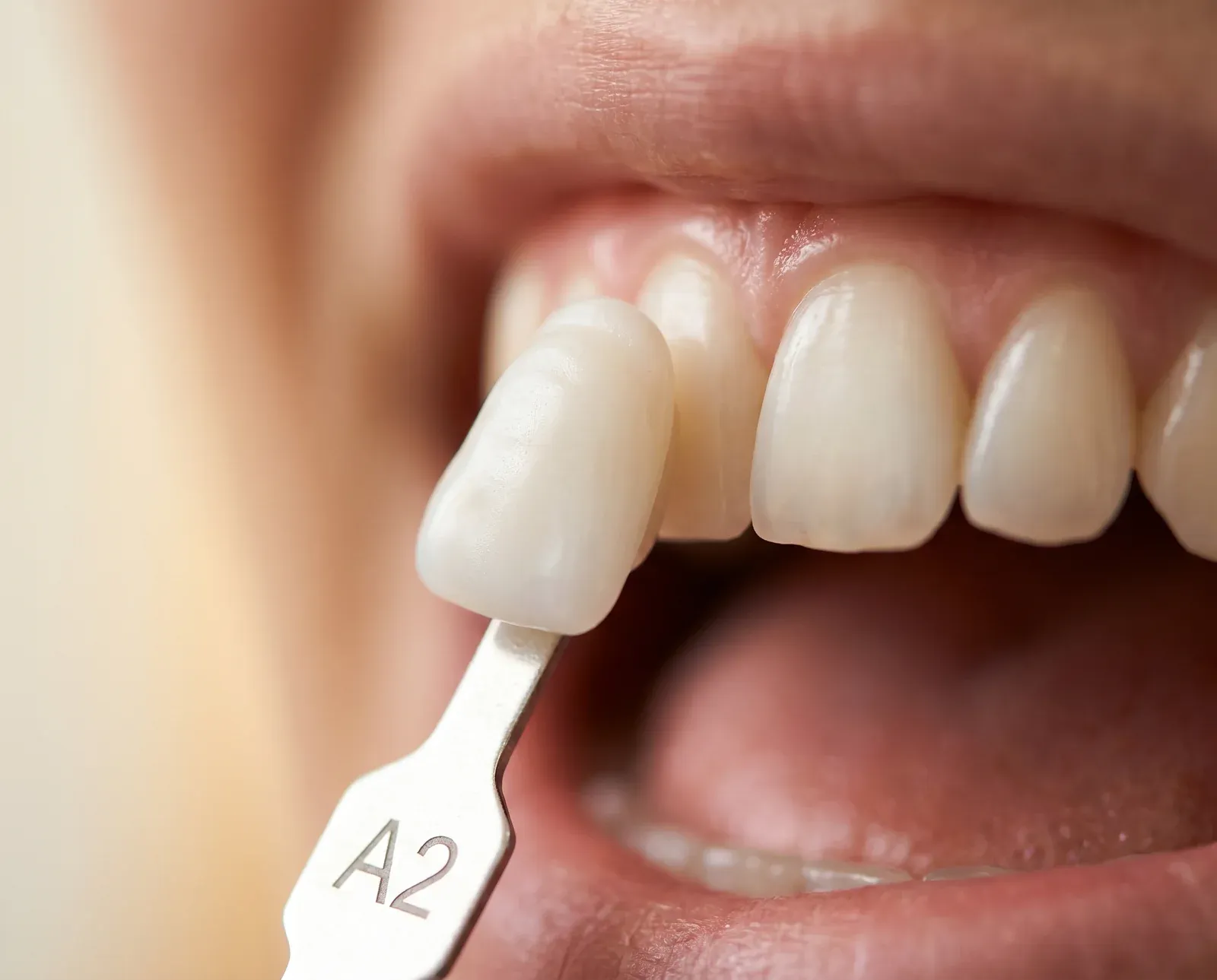
Veneers are thin shells made from either porcelain or composite resin (a tooth-colored plastic material) that bond directly to the front surface of your teeth. The material matters more than most people realize: the type Dr. Bryce Richardson, DDS, uses determines how thin the shell can be made, which directly affects whether your natural teeth need to be permanently altered before placement. Choosing the right material isn’t just an aesthetic decision. It’s what separates a reversible result from a permanent one.
The Three Main Veneer Materials: Porcelain, Composite, and E.max
The material your veneers are made from determines how they look, how long they last, and whether your teeth need to be altered at all.
- Feldspathic porcelain (layered): The most lifelike option, mimicking how natural enamel transmits light. It’s the foundation for porcelain veneers at Vivid Smiles Dentistry, including the Artistic Series Porcelain Veneers finished at a specialist lab. Longevity typically runs 10 to 20 years with proper care.
- Lithium disilicate (e.max): A pressed ceramic roughly twice as strong as feldspathic porcelain. Its strength-to-thickness ratio makes it ideal for ultra-thin no-prep cases, where preserving natural tooth structure is the goal. Longevity is comparable, often 15 years or more.
- Composite resin: Applied directly in the chair and costs less upfront, a practical short-term option. Comparing the different types of dental veneers shows composite typically lasts 5 to 7 years before needing replacement or repair, with less natural light transmission than either porcelain option.
Research published by PMC on dental veneer success rates confirms that preparation design and material type are the two strongest predictors of how long veneers hold up.
Why Material Choice Affects Whether Veneers Need to Alter Your Teeth
The thickness of your veneer material determines whether your teeth need to be permanently changed. Thicker veneers require removing enamel to keep the final result from looking bulky; ultra-thin materials can often bond directly to the tooth with little or no preparation at all.
Lithium disilicate, the material Dr. Richardson uses for no-prep and minimal-prep cases, can be fabricated as thin as 0.3 millimeters. At that thickness, there’s often no need to shave enamel, which matters because enamel removal is permanent. Once it’s gone, your teeth will always need a restoration covering them.
Before any tooth is touched, Digital Smile Design and a trial smile mock-up show exactly which material path fits your case. The Artistic Series Porcelain Veneers are then finished at a specialist lab to the precise thickness planned.
How Long Each Veneer Material Actually Lasts
Material choice is the biggest factor in how many years your veneers stay looking great.
- Porcelain: Typically lasts 10 to 20 years, depending on your bite habits and how consistently you keep up with professional maintenance.
- Lithium disilicate (e.max): Matches that same 10 to 20 year window and holds up well under normal chewing pressure, a reliable choice for patients with heavier bites.
- Composite resin: Typically lasts 5 to 7 years before it needs repair or replacement, and stains more easily over time, so coffee drinkers will notice the difference sooner.
Grinding without a nightguard is the fastest way to shorten any veneer’s lifespan regardless of material, and biting directly into hard foods like apples or ice puts the same risk on any type. Cut hard foods instead of biting into them.
What Dr. Richardson Looks for When Choosing a Veneer Material for a Patient
The first thing Dr. Richardson evaluates is tooth color. Dark tetracycline staining or deep discoloration needs porcelain’s opacity to block it completely; composite resin can’t reliably hide severe staining at any thickness.
Next is enamel. Porcelain bonds best to healthy enamel, and if a tooth has limited enamel remaining, that changes the preparation plan entirely.
Bite load matters too. Patients who grind heavily need a material that can handle pressure without chipping over time.
Finally, he considers patient goals. Some people want the most conservative option possible; others need significant color correction that only layered porcelain can deliver. The Artistic Series Porcelain Veneers, finished at a specialist lab, give him the precision to match either outcome.
Common Questions About Veneer Materials
Do veneers ruin your teeth?
No-prep veneers leave teeth completely untouched. Even traditional veneers remove only a thin layer of enamel, far less than a crown.
Are veneers permanent?
They’re long-term, not permanent. No-prep veneers are reversible because the natural tooth underneath stays intact; traditional veneers, where enamel was removed, aren’t.
Can you go back to natural teeth after veneers?
With no-prep or minimal-prep veneers, yes. If enamel was removed for traditional veneers, the teeth will always need to be covered by some form of restoration.
Why do some dentists advise against veneers?
Poor case selection is usually the reason, not the material itself. When material, prep level, and tooth position are matched correctly from the start, veneers are one of the most reliable cosmetic treatments available.
Does the veneer material affect how long they last?
Yes. Lithium disilicate is denser and more fracture-resistant than composite resin, which is why it typically outlasts composite by several years.
Your Smile, Your Material, Your Call
Veneer material shapes everything: how your result looks, how much tooth structure is removed, and how long your smile lasts. The right choice depends on your goals, your existing teeth, and whether no-prep is an option for you.
Vivid Smiles Dentistry in Parker, CO, offers porcelain and lithium disilicate (e.max) veneers, including no-prep options, with every case previewed through a trial smile before any permanent work begins. Schedule your complimentary cosmetic consultation to see your new smile before you commit.