01
Robotic implant placement
Sub-millimeter precision with less tissue trauma and faster recovery; this is not standard equipment at most dental offices.
A single tooth dental implant replaces a missing tooth with a titanium post and custom crown. It stands alone without altering adjacent teeth and preserves the jawbone beneath the gap. Below is how the process works at Vivid Smiles, how it compares to other replacement options, and who qualifies.

Several Parker practices place implants; fewer offer the technology, training, and in-house capabilities that make outcomes more predictable.
Sub-millimeter precision with less tissue trauma and faster recovery; this is not standard equipment at most dental offices.
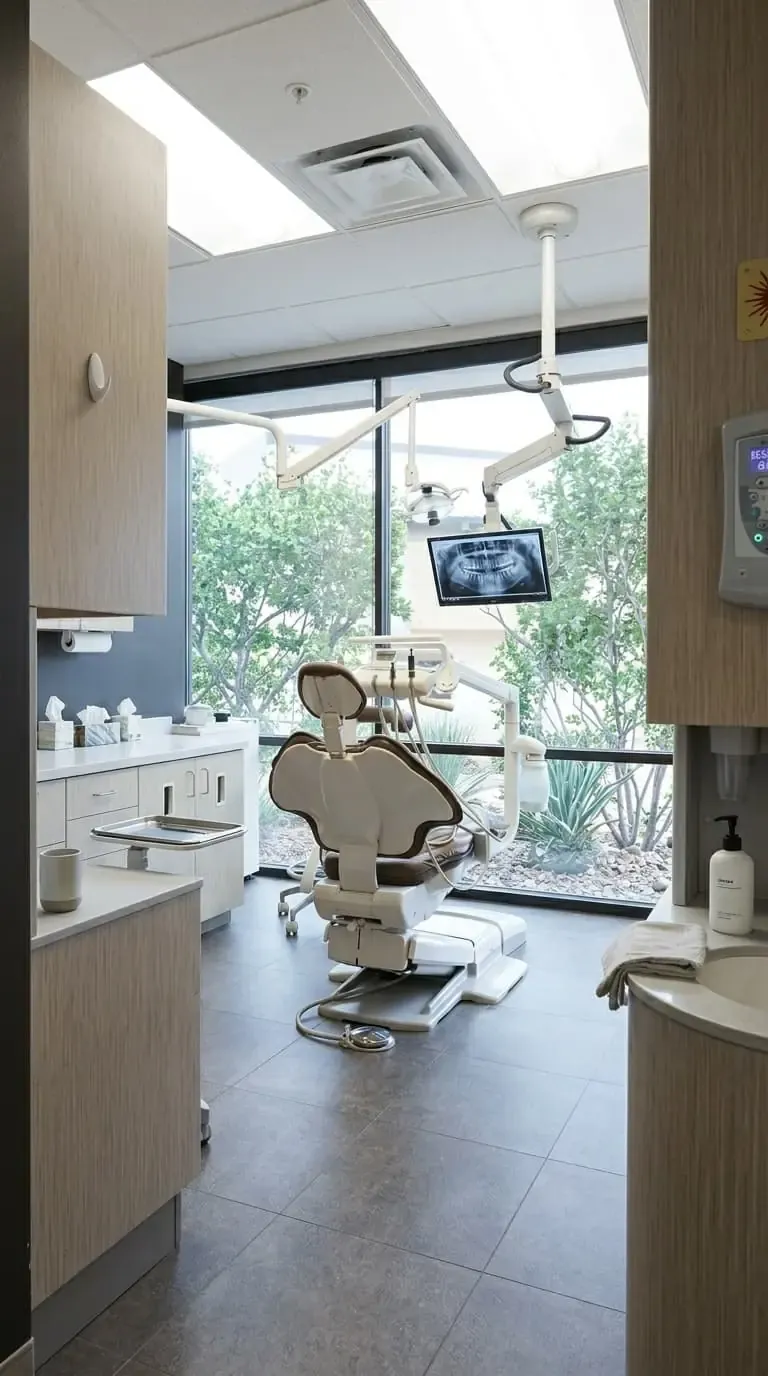
CBCT imaging, surgical placement, and crown fabrication all at Vivid Smiles; no specialist referrals required.
600+ hours of advanced training and a staff role at Implant Pathway, one of the country's top implant training facilities.
Consistent feedback about advanced technology, a welcoming environment, and natural-looking, long-lasting results.
Dr. Richardson is a Parker resident; his investment in patient outcomes is personal.
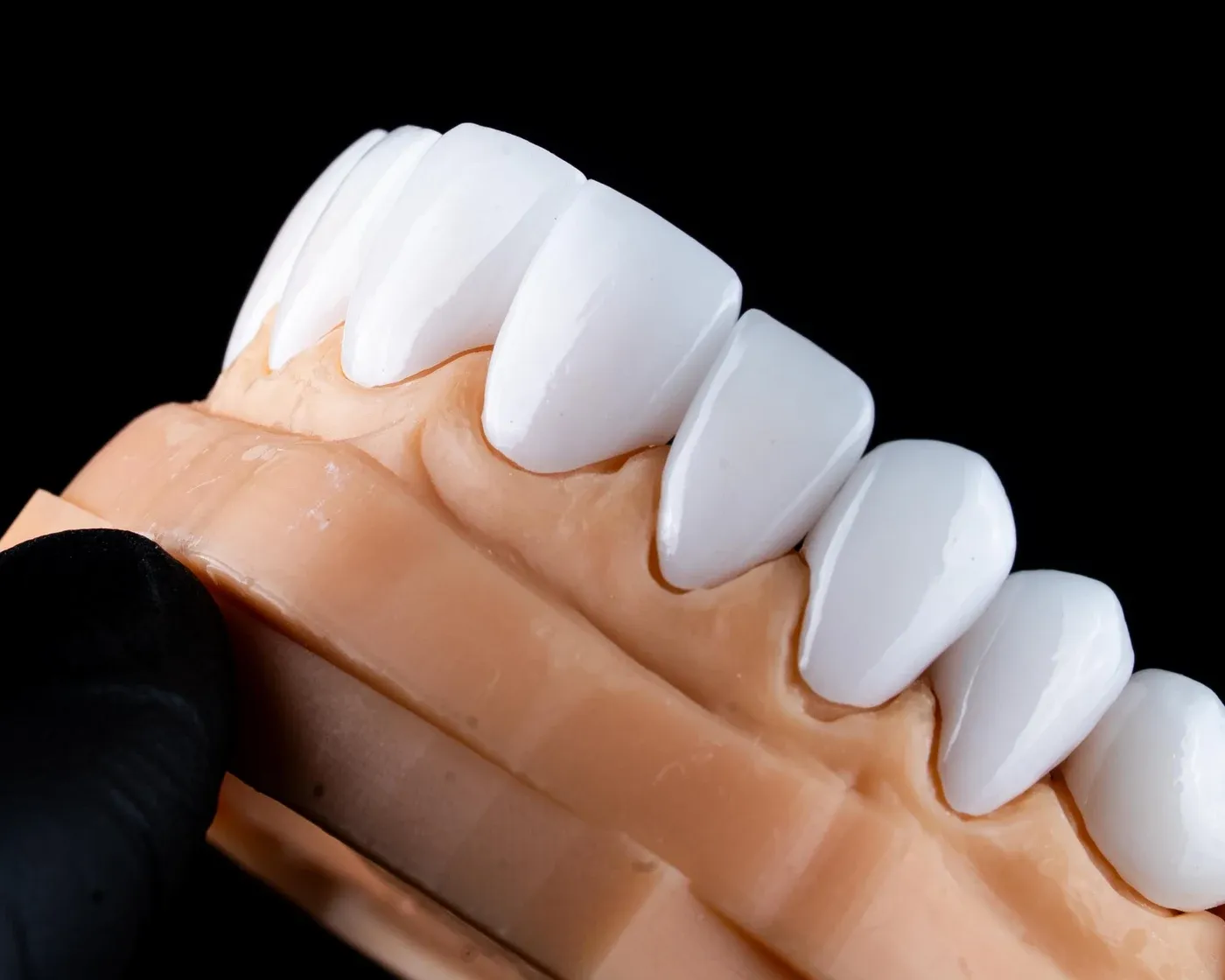
A single tooth implant is the only replacement that leaves adjacent teeth untouched and stimulates the jawbone where the root once was. For most adults, missing one tooth, it is the best long-term choice for preserving adjacent teeth, jawbone, and bite stability.
Without a tooth root, the jawbone beneath the gap begins to resorb (shrink) within months. Osseointegration, where the titanium post fuses with living bone, restores the stimulation that prevents jaw narrowing and the facial sagging that follows untreated bone loss over time.
Dental bridges require shaving both adjacent teeth; a single tooth implant leaves them untouched, can last a lifetime versus a bridge's 10 to 15 years, and prevents the bone loss that continues beneath a bridge with no root to stimulate the jaw.
The process at Vivid Smiles unfolds in four planned stages. Robotic guidance and in-house imaging mean fewer appointments and a more predictable result.
Dr. Richardson uses CBCT imaging at your first consultation to map bone density, nerve locations, and sinus proximity in 3D. This data guides the exact position, depth, and angle of placement before surgery begins.
Vivid Smiles uses robotic guidance during surgery for sub-millimeter precision and less tissue trauma. Dr. Richardson completed 600+ hours of surgical training and served at Implant Pathway, one of the country's top implant training facilities; Vivid Smiles handles this in-house.
After placement, the implant needs 3 to 6 months to fuse with the jawbone through osseointegration. A temporary tooth is available during the healing process. Most individuals return to normal activity within days of surgery, and the full timeline is what makes the implant stable for decades.
The final crown is designed with digital impressions, milled in-house, and custom-shaded to match surrounding teeth. The implant post is permanent; the crown needs replacement after 10 to 15 years of normal wear.
Active gum disease or uncontrolled diabetes must be resolved first; a CBCT scan at your first appointment establishes candidacy.

If bone volume is insufficient, grafting or a sinus lift can restore it; both are performed in-house at Vivid Smiles. These procedures add 3 to 6 months to the timeline but make implant placement possible for patients who would otherwise not qualify.
Single-tooth implants offer functional and aesthetic advantages that no other replacement option replicates.
The implant stands alone; no neighboring teeth are ground down, crowned, or altered.
The titanium post stimulates the jawbone the way a natural root does, preventing the resorption that follows every extraction.
Eat, speak, and clean teeth normally, with no dietary restrictions and no maintenance beyond brushing and flossing.
The implant post can last a lifetime with proper care; the crown needs replacement after 10 to 15 years.
Custom-shaded crowns match surrounding teeth; most clients report that no one can tell which tooth is the implant.
A single tooth implant costs more upfront than a bridge or denture, but the long-term economics usually favor it. Bridges require altering adjacent teeth, need replacement every 10 to 15 years, and allow ongoing bone loss; a single tooth implant avoids all three.
Permanent tooth replacement that preserves the rest of your smile.
Bridges need replacement every 10–15 years and allow ongoing bone loss; single-tooth implants avoid both. Vivid Smiles reviews PPO benefits up front and offers in-house financing for uninsured patients — both reviewed during your consultation.
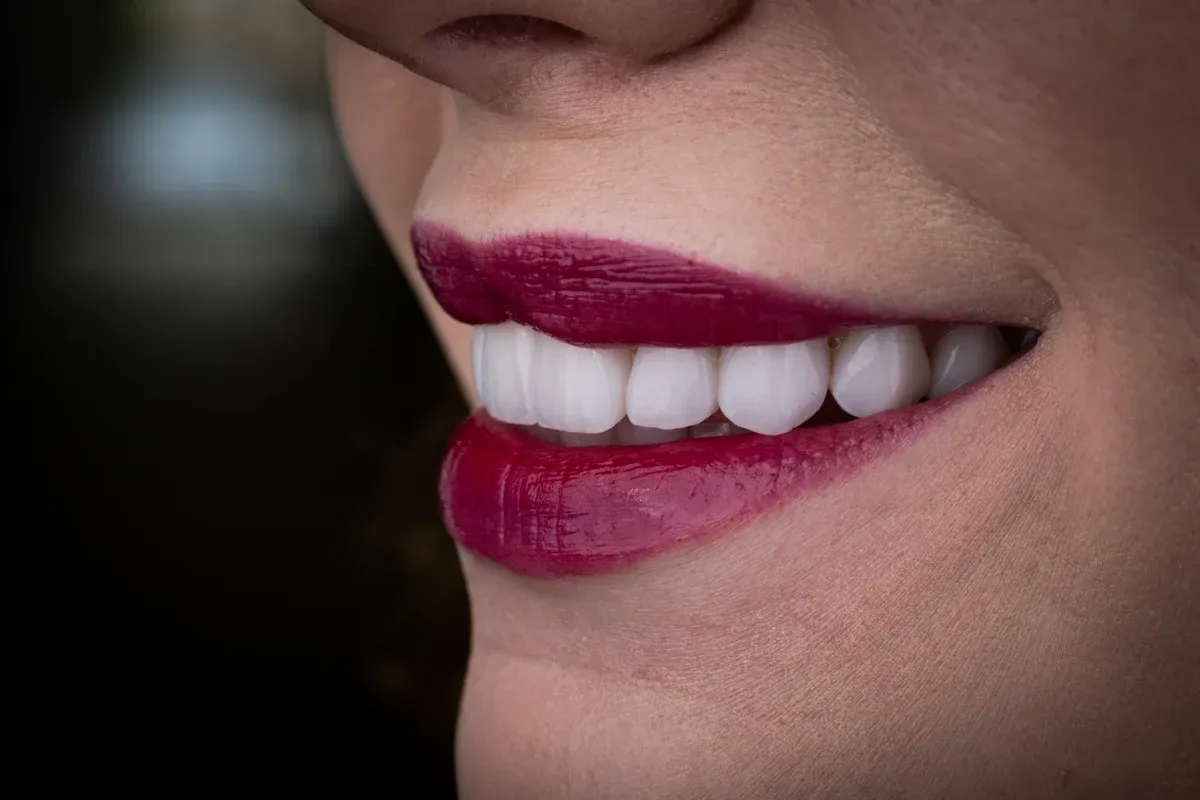
A selection of finished cosmetic and restorative work from across the practice, not single-tooth implant cases specifically.
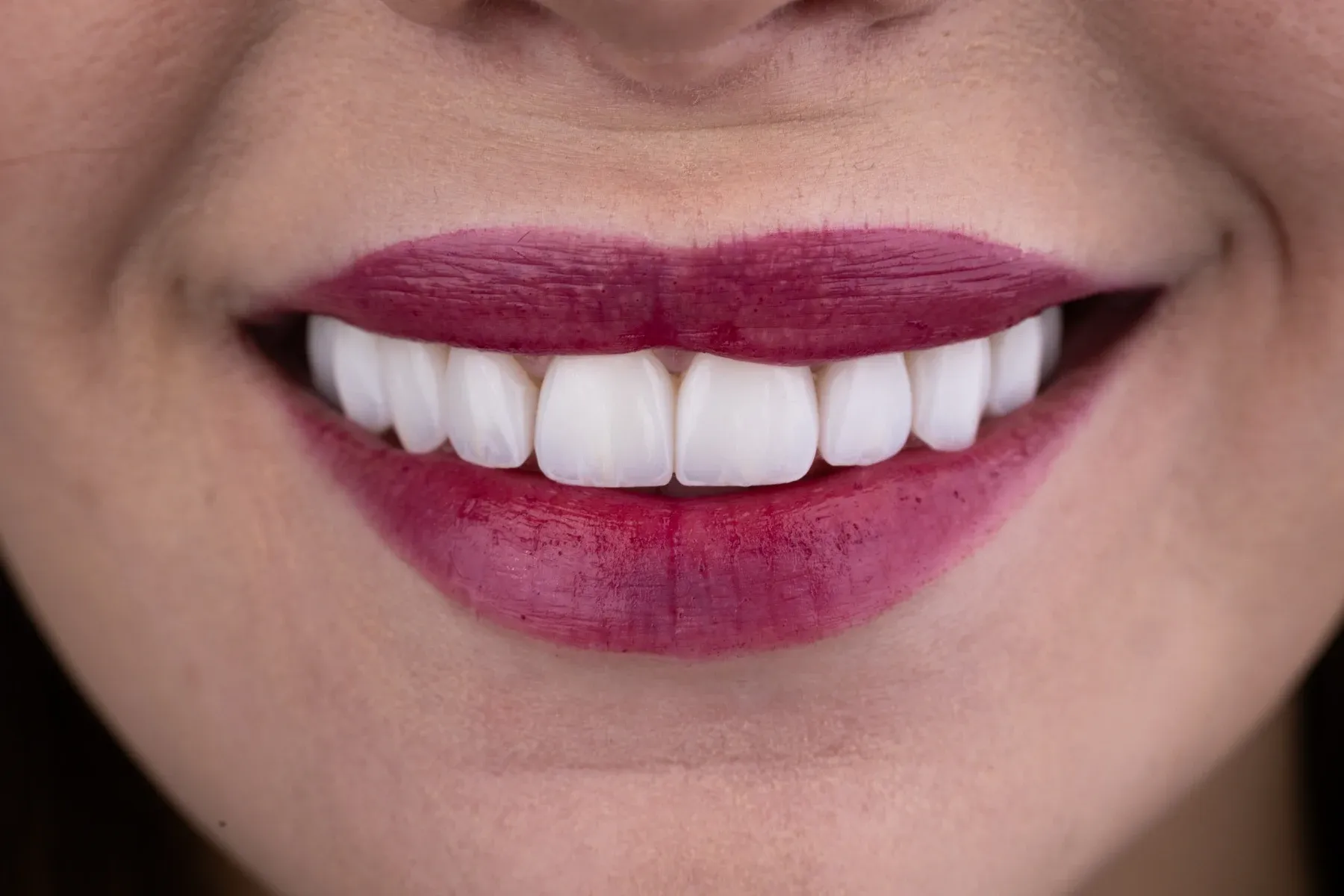
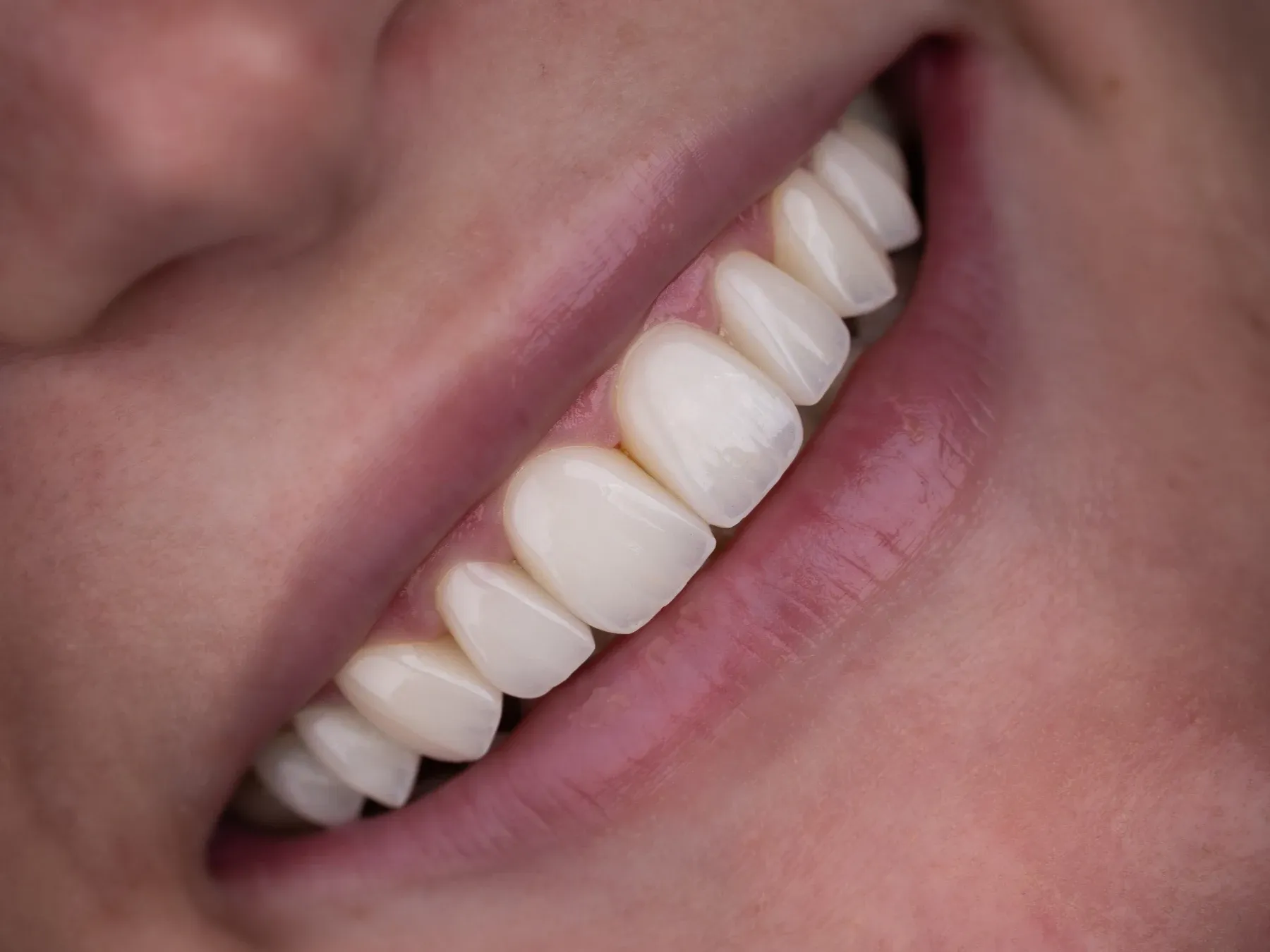
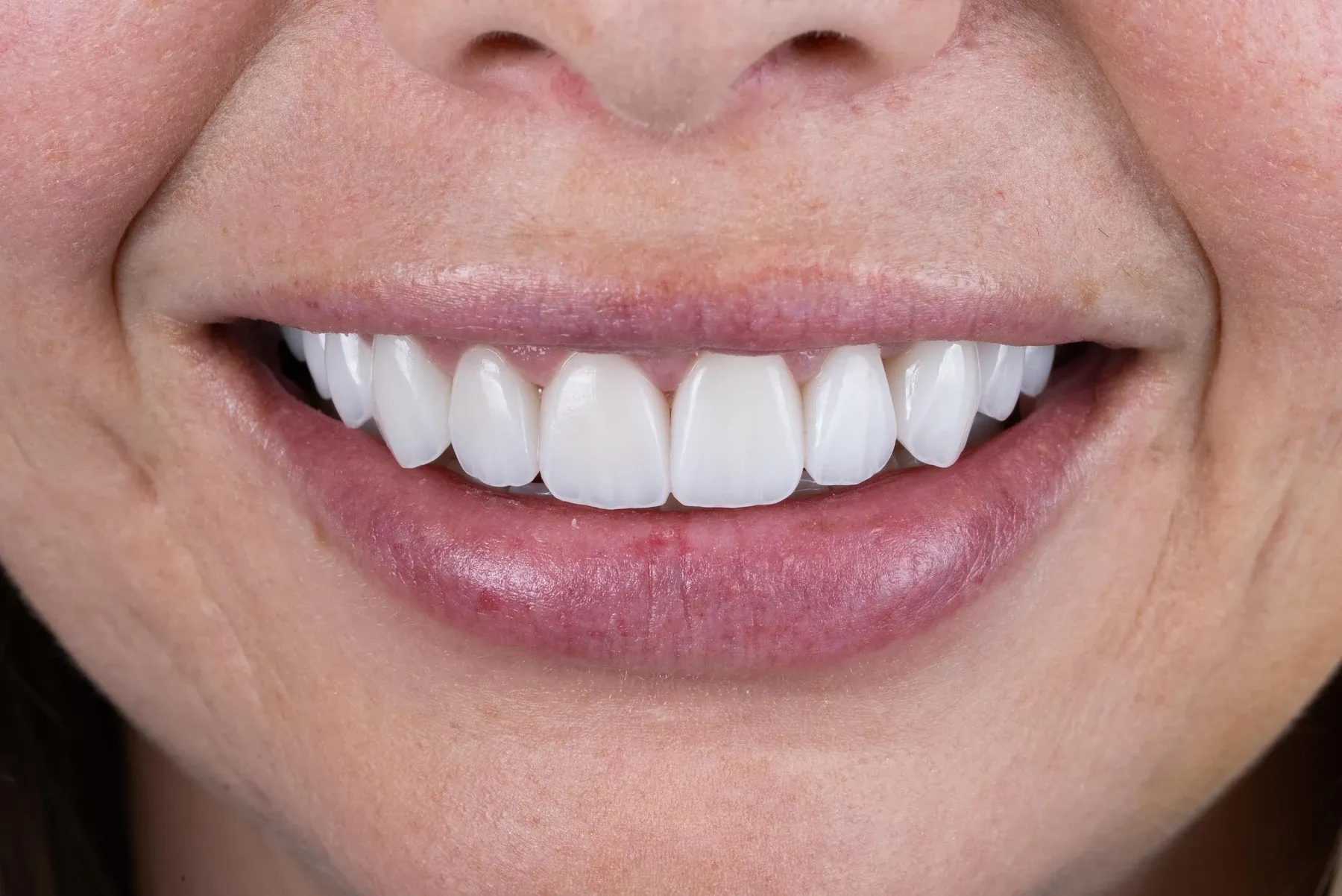
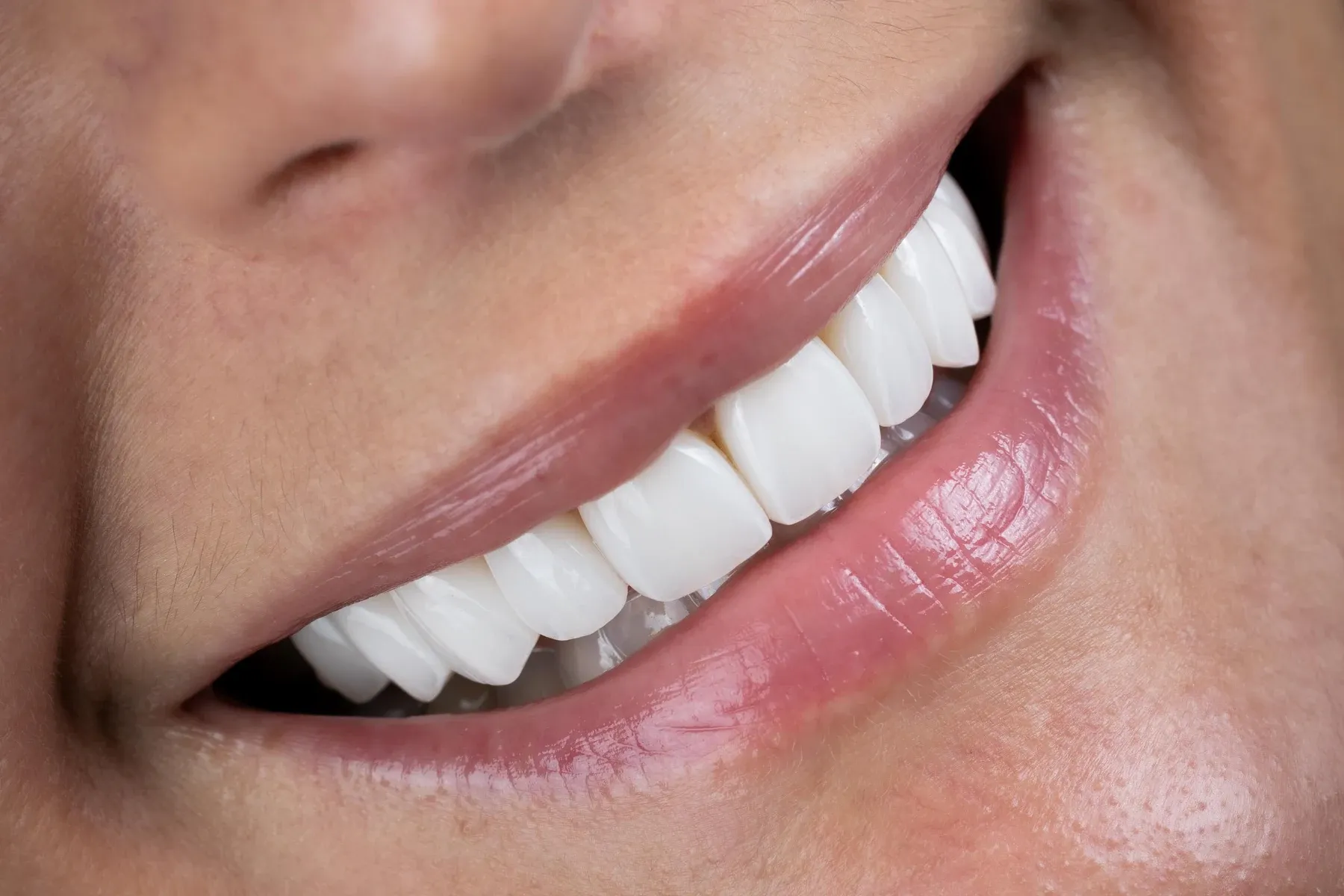
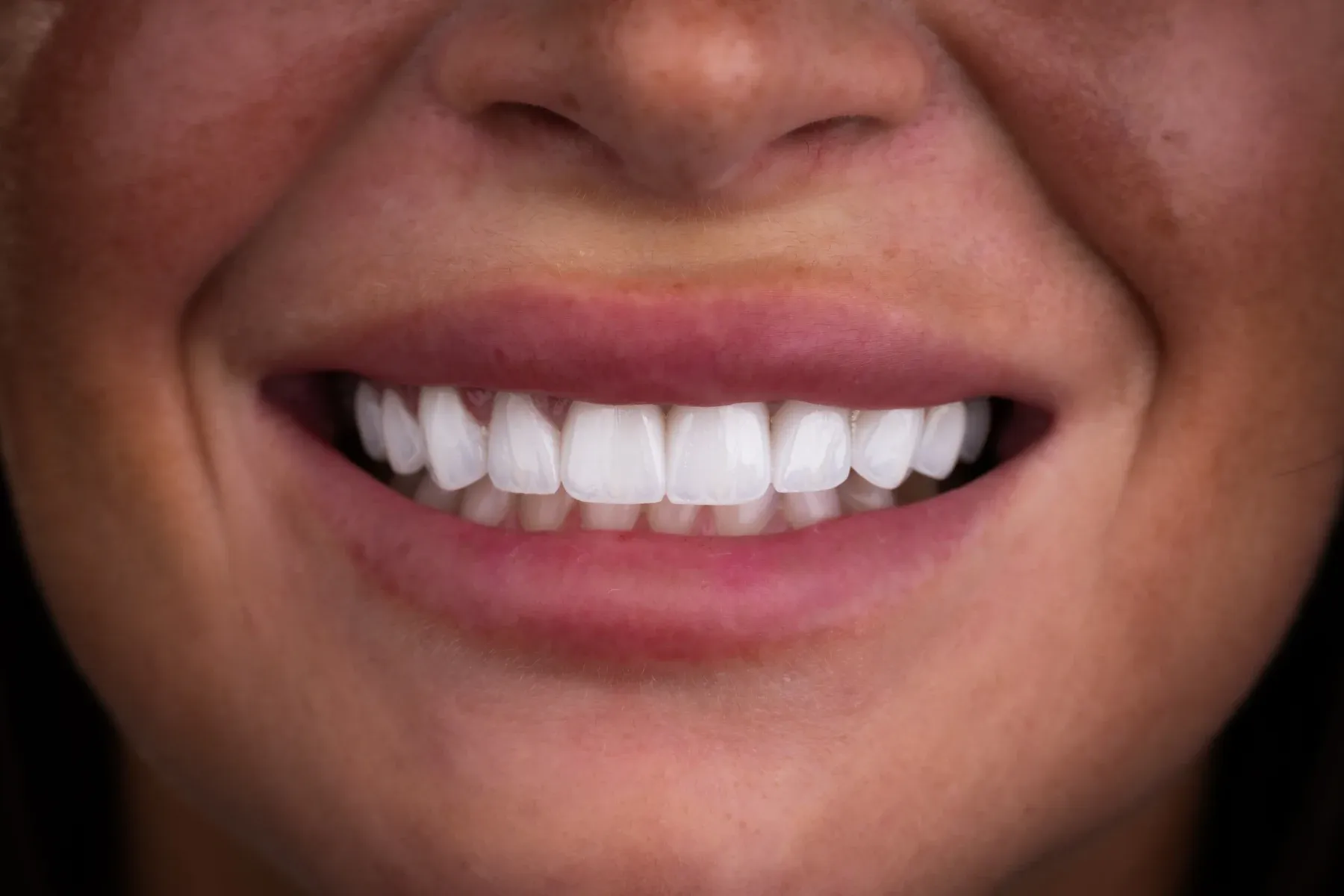
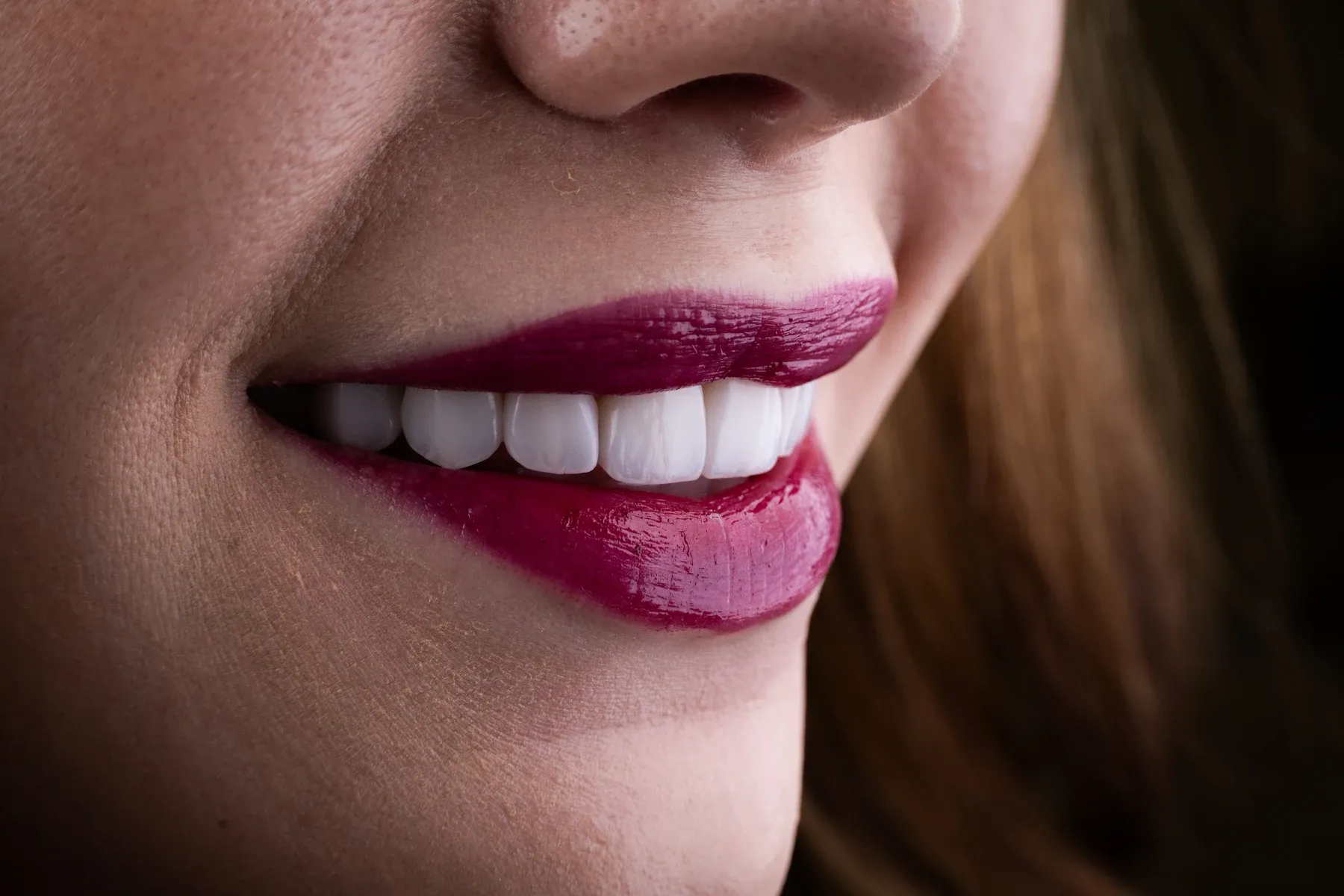
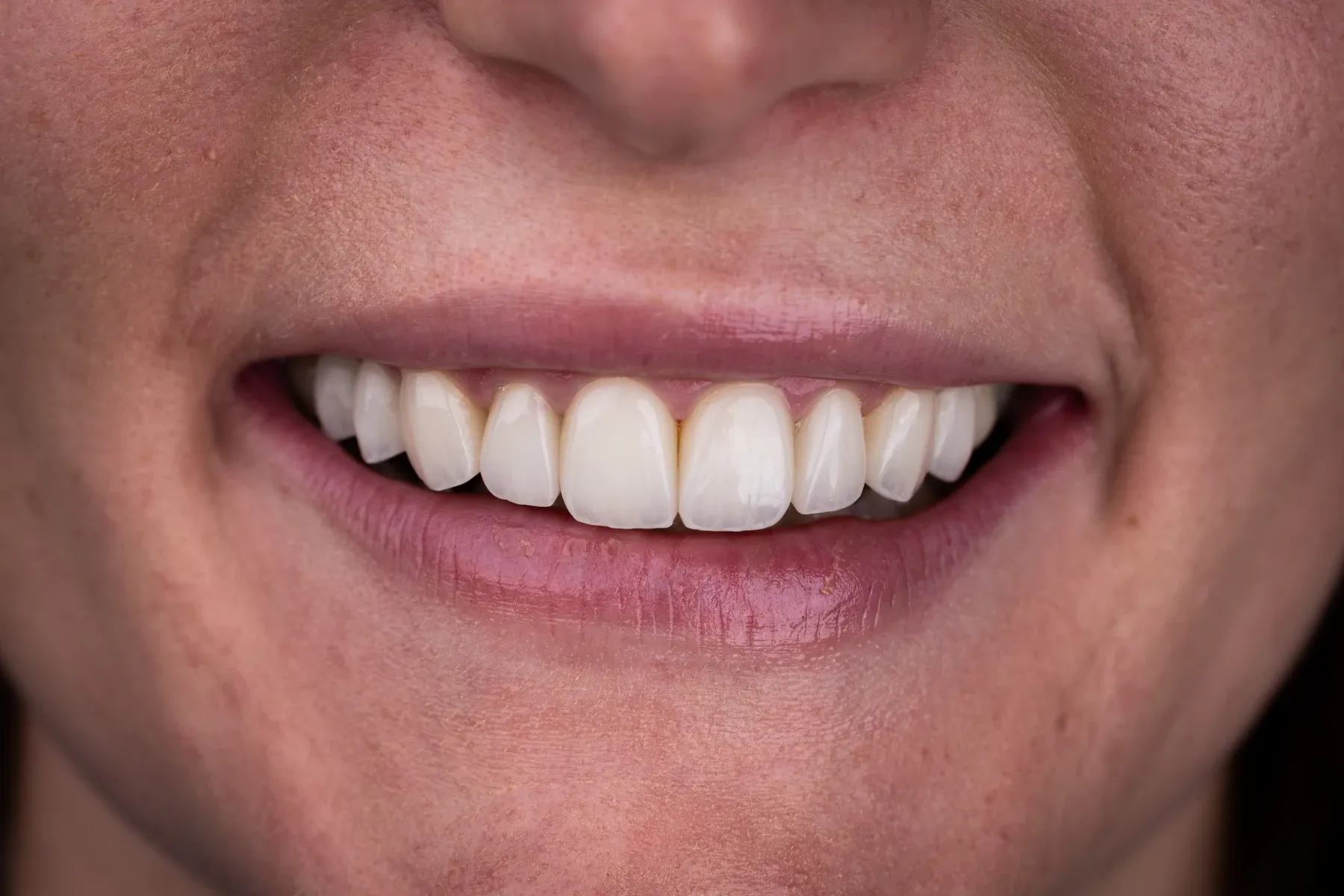
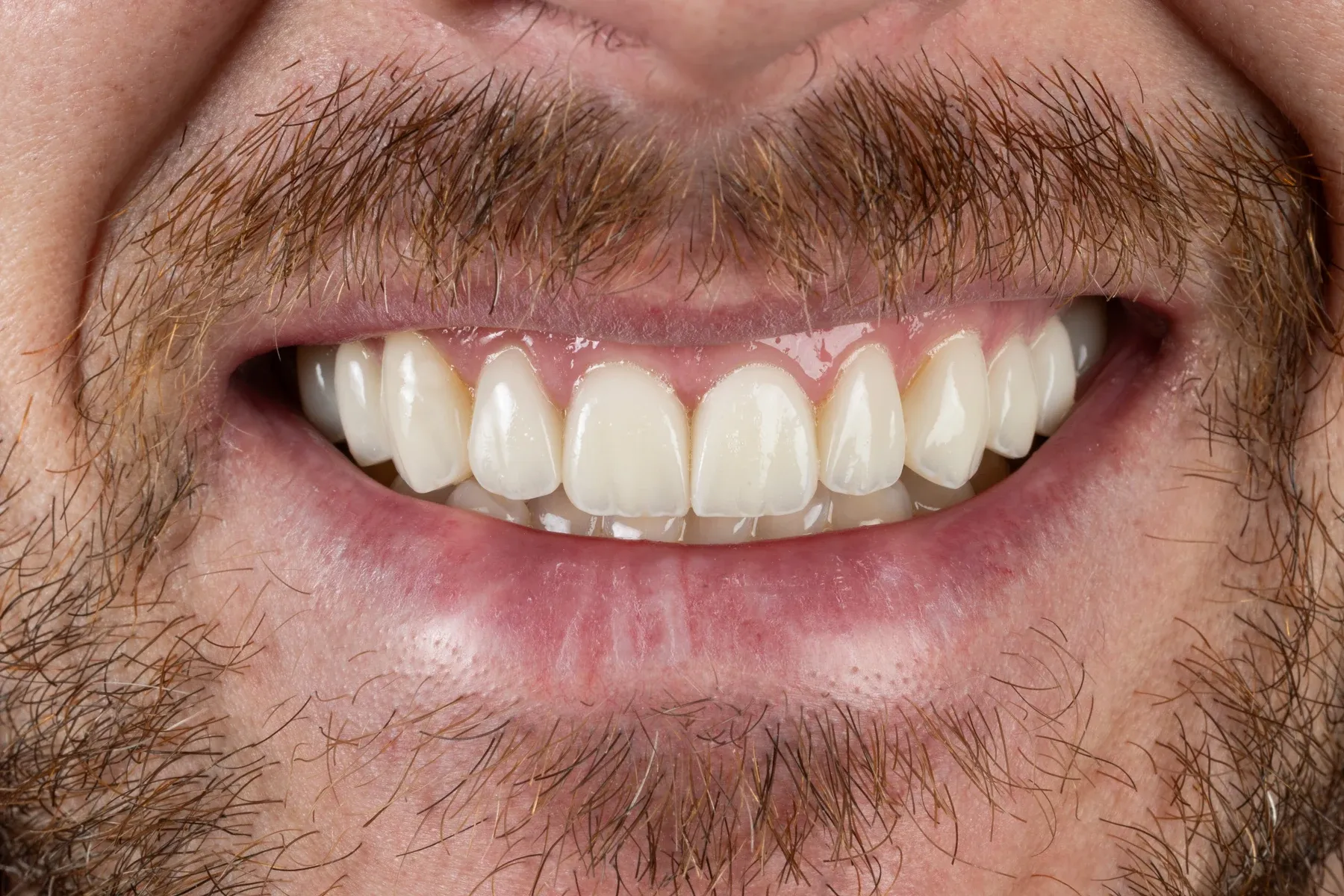
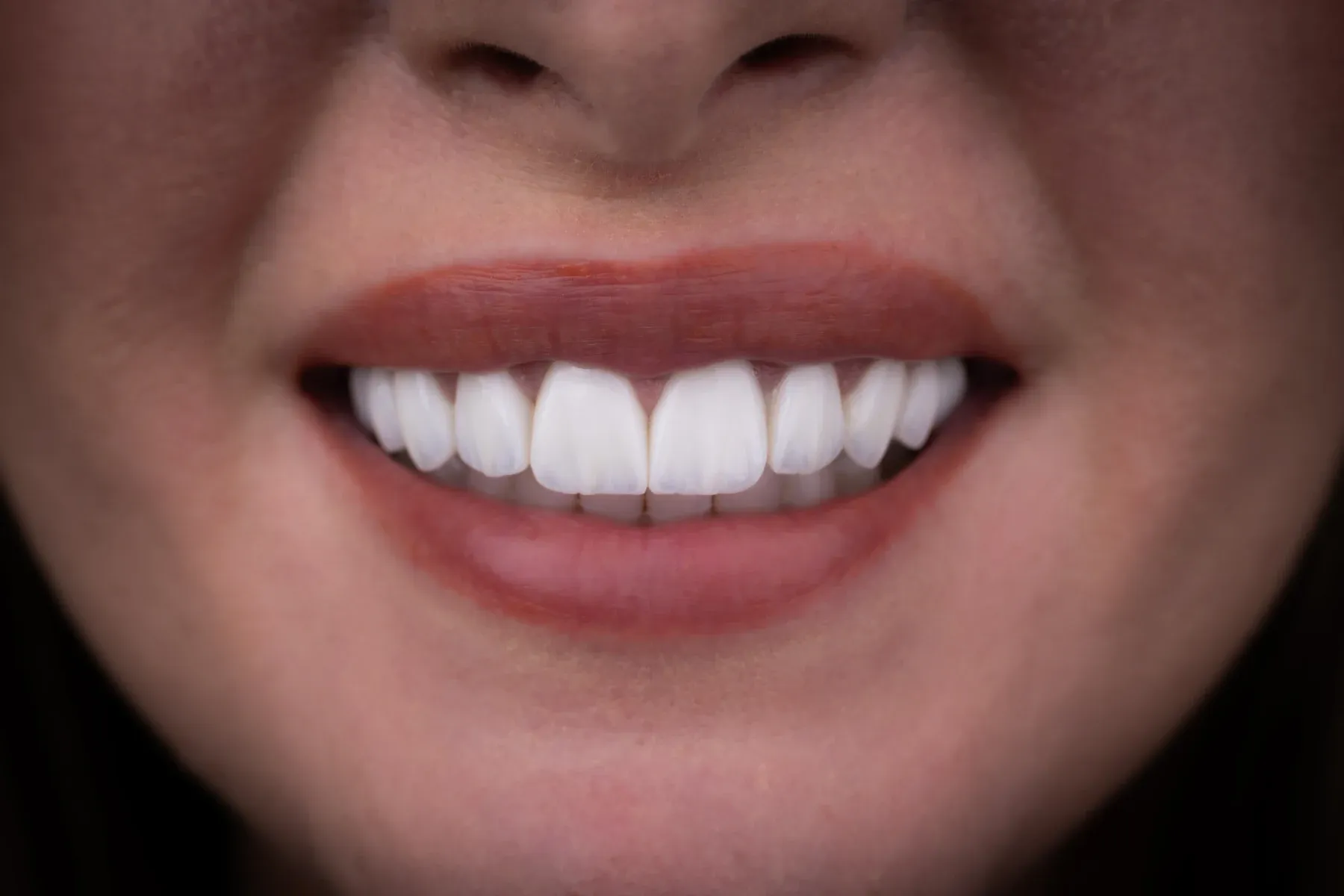
A single tooth implant addresses the visible gap and the bone loss beneath it, and Vivid Smiles builds every case around natural-looking, predictable results. Robotic placement and in-house crown fabrication give Dr. Richardson control at every stage of treatment.
Vivid Smiles Dentistry in Parker, CO, manages the complete single-tooth implant process under one roof, without specialist referrals. Call (303) 841-5313 or book online to schedule your consultation with Dr. Richardson.
Complete and submit the virtual consultation form on this page.
After sending your request, we'll reach out to confirm it's been received.
Dr. Richardson will review your information and record a personalized video reviewing your smile, answering your questions, and discussing treatment options.
If you choose to move forward, our team will work with you to take the next steps toward your dream smile.
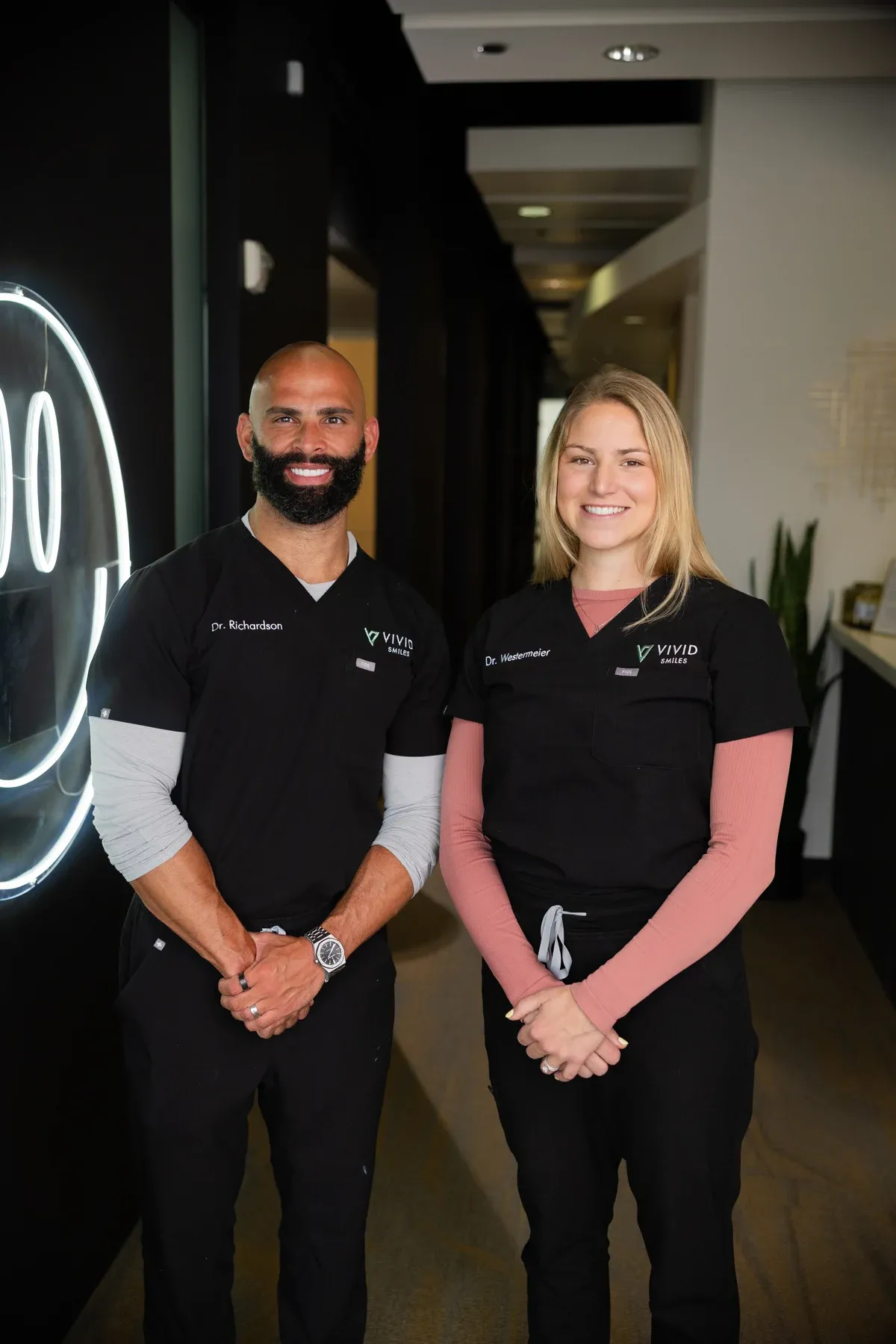
Dr. Bryce Richardson pairs robotic precision with 600-plus hours of advanced surgical training to deliver single tooth implant outcomes built to last decades.