01
Robotic implant placement
The practice uses robotic implant placement guided by CBCT digital planning, a combination that no other Parker provider offers.
All-on-4 single arch implants replace every tooth in one jaw, upper or lower, using four strategically placed titanium implants, and you leave the same day with a fixed, functional set of teeth. Unlike full-mouth treatment, single-arch All-on-4 targets one jaw, which means lower cost, a shorter procedure, and a focused treatment plan. Below is what the procedure involves, how robotic technology at Vivid Smiles Dentistry sets these outcomes apart, and what to expect from surgery through the final teeth.
The practice uses robotic implant placement guided by CBCT digital planning, a combination that no other Parker provider offers.
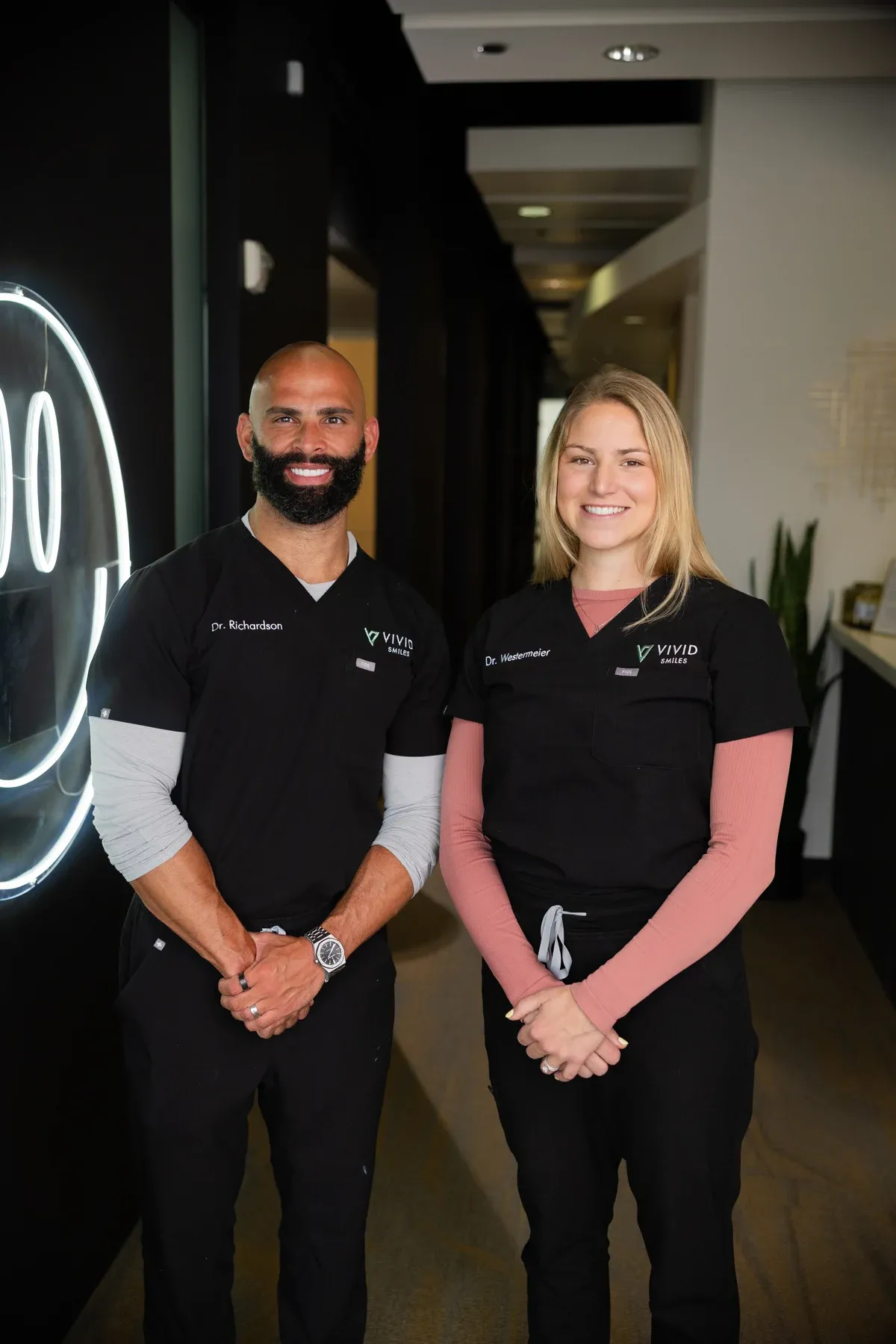
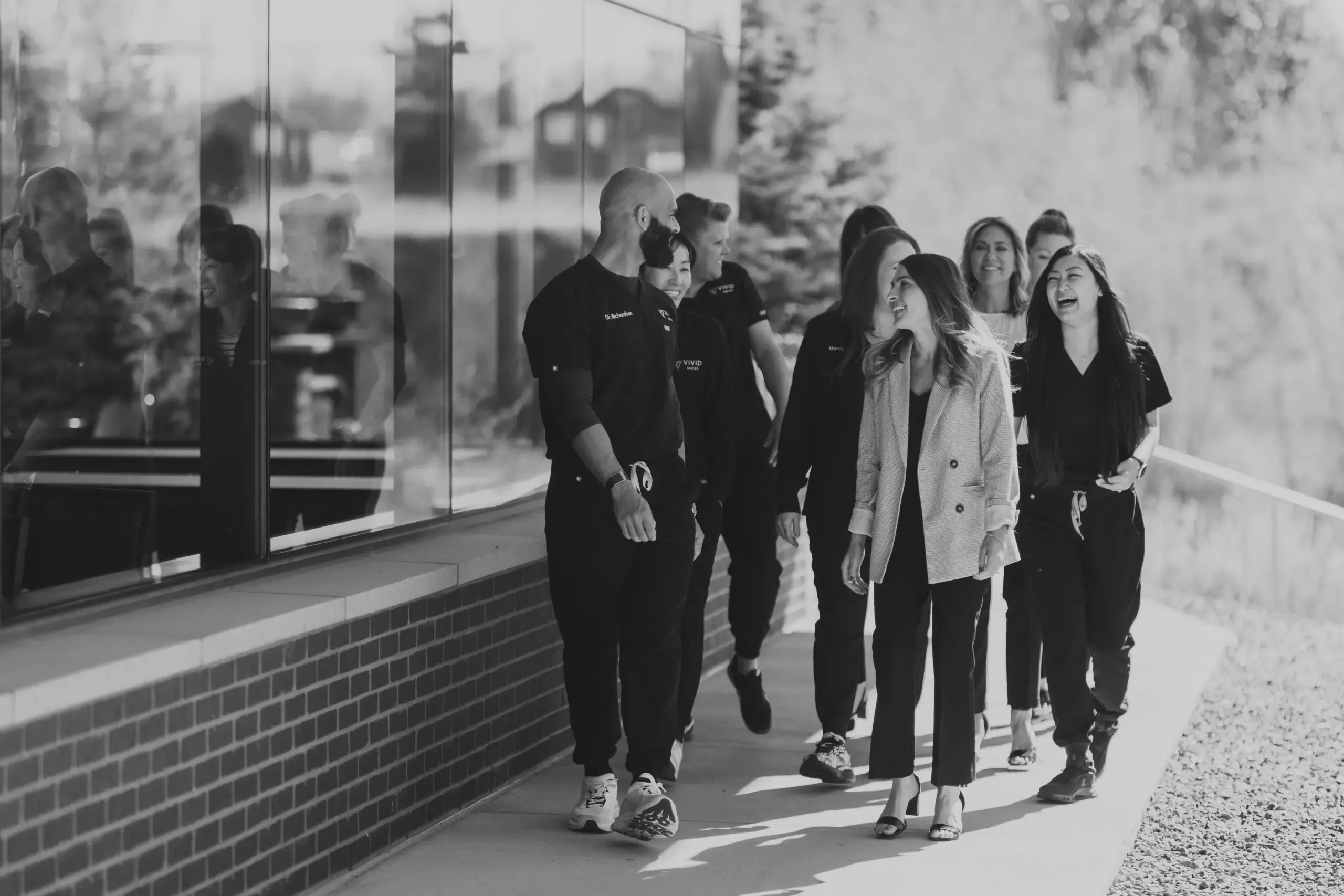
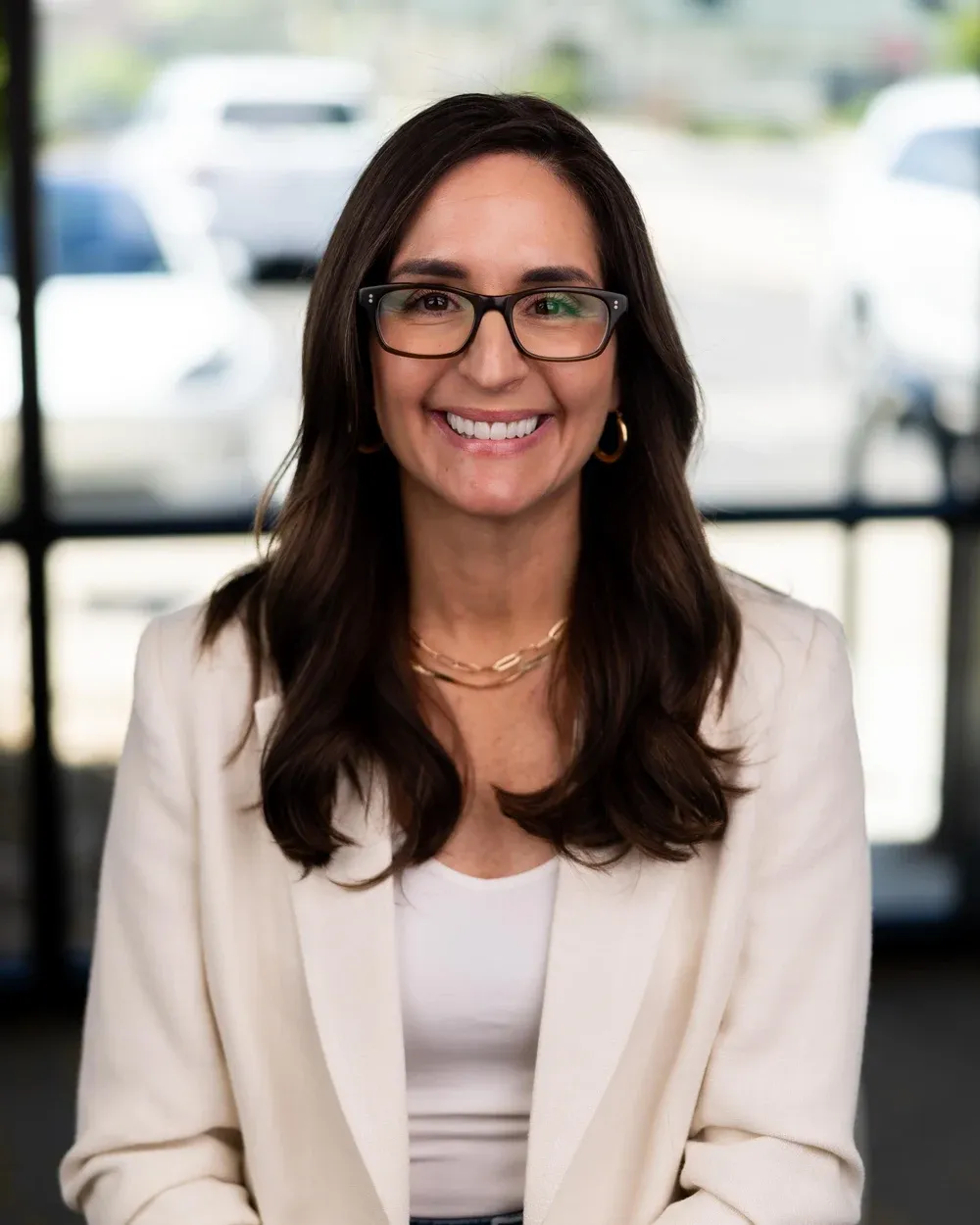
Dr. Bryce Richardson brings 600+ hours of advanced surgical training and a staff-level position at Implant Pathway, one of the country's most selective implant training institutions, to every All-on-4 case at Vivid Smiles.
Dr. Richardson is a Parker resident with over 300 five-star Google reviews.
Dr. Richardson's clinical background includes serving as team dentist for Indiana University basketball; an experience that reinforces his focus on function, precision, and recovery.
All-on-4 single arch implants are a full-arch restoration that replaces all teeth in one jaw using four implants as the foundation for a fixed, non-removable prosthesis. Two implants are placed at the front; two are angled posteriorly at 30 to 45 degrees. That angulation maximizes bone contact while clearing the sinus cavities and nerve structures, which is why grafting is not required in most cases. The result is a stable bridge of 10 to 12 replacement teeth.
Treat the arch with the most failing or missing teeth first, or the one causing the greatest difficulty.
Upper arch bone is less dense, so posterior angulation is critical for stability.
Lower arch cases must navigate the inferior alveolar nerve running through the mandible.
Most patients prioritize whichever arch is more compromised and evaluate adding the second after healing. A CBCT scan provides Dr. Richardson with the three-dimensional bone map that makes this determination accurate.
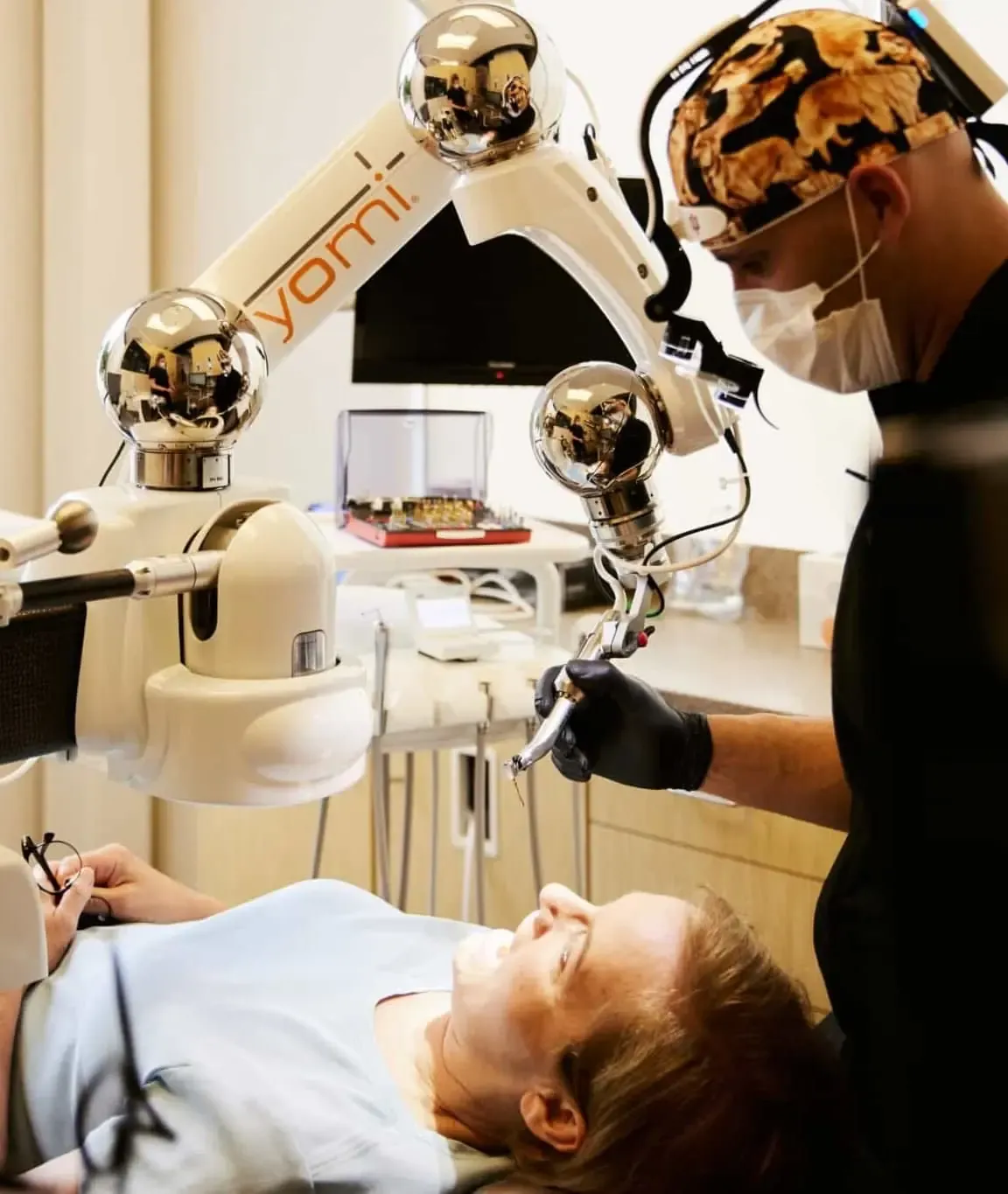
Vivid Smiles uses robotic implant placement technology, a clinical differentiator that no competitor offers. A CBCT scan captures a three-dimensional image of the bone structure, including density, nerve location, and sinus proximity. Dr. Richardson's planning software then maps the position, depth, and angle of each implant before surgery begins, and the robotic system executes that plan with submillimeter precision. Dr. Bryce Richardson trained at Implant Pathway, one of the country's most selective implant training facilities. It defines the clinical standards applied to every case.
Four implants are sufficient because angled posterior placement increases bone-to-implant surface contact without requiring additional fixtures. The two front implants anchor upright; the two rear implants tilt at 30 to 45 degrees, engaging a longer section of denser bone without relying on posterior bone volume, which is the first to resorb after tooth loss. That spread of contact points distributes bite force across the arch, the way load-bearing columns distribute structural weight.
This sequence follows from the moment you arrive.
IV or oral sedation is administered; you are comfortable and largely unaware throughout.
Remaining failing teeth in the arch are removed during the same appointment.
All four implants are placed per the pre-planned robotic protocol; surgical time is two to three hours.
A fixed bridge is attached, so you go home with functional teeth on day one.
Swelling and mild soreness resolve within days; soft foods protect the implants during osseointegration (the healing and bone-fusing period that follows).
Single-arch All-on-4 treats one jaw; full-mouth treats both. Patients with healthy teeth in one arch start with single-arch treatment.
All-on-4 is the ideal choice when most or all arch teeth are failing, but other options exist for different clinical situations.
Six implants instead of four, recommended when bone density supports it and additional foundation redundancy is clinically advantageous.
A removable prosthesis that clips onto two to four implants, offering more stability than traditional dentures at a lower cost than All-on-4, though bite function and daily maintenance differ.
The best choice when only a few teeth are missing; All-on-4 becomes appropriate when most or all arch teeth are compromised.

Severe bone loss changes the treatment path. Options include bone grafting (adding material and waiting three to six months before implant placement), All-on-6 for patients with moderate loss who benefit from additional implant support, or zygomatic implants for the upper jaw, which anchor in the cheekbone. Dr. Richardson evaluates each case using CBCT imaging and outlines every option before treatment begins.
After osseointegration, life with All-on-4 is closer to natural teeth.
Most foods, including steak, are possible once healing is complete. Initially, cut dense foods into smaller pieces. There are no permanent dietary restrictions beyond habits that would damage natural teeth.
Small gaps exist around the abutments (the connectors between implants and the bridge) and require daily cleaning, but food does not pack under the prosthesis the way it does under removable dentures.
Brush twice daily and use a water flosser or floss threaders around each abutment to clear plaque below the gumline.
Cleanings every 3-6 months allow our team at Vivid Smiles to remove calculus in areas home care cannot reach and monitor bone levels around each implant.
With consistent care, titanium implants can last 20 or more years because the fixture bonds with living bone and essentially becomes part of the jaw. The prosthesis is a separate consideration: acrylic bridges may need replacement after 10 to 15 years due to wear; zirconia bridges hold up longer under heavy bite forces. Annual checkpoints at Vivid Smiles include imaging to assess bone levels, bite evaluation, and prosthesis inspection, so small issues are detected before they become significant.
Evaluating All-on-4 cost-per-tooth, rather than total investment, changes the frame: you are replacing an entire arch with a permanent, fixed solution rather than paying per individual implant. The long-term value includes restored function, preserved bone, and the avoided cost of ongoing failing-tooth treatment.
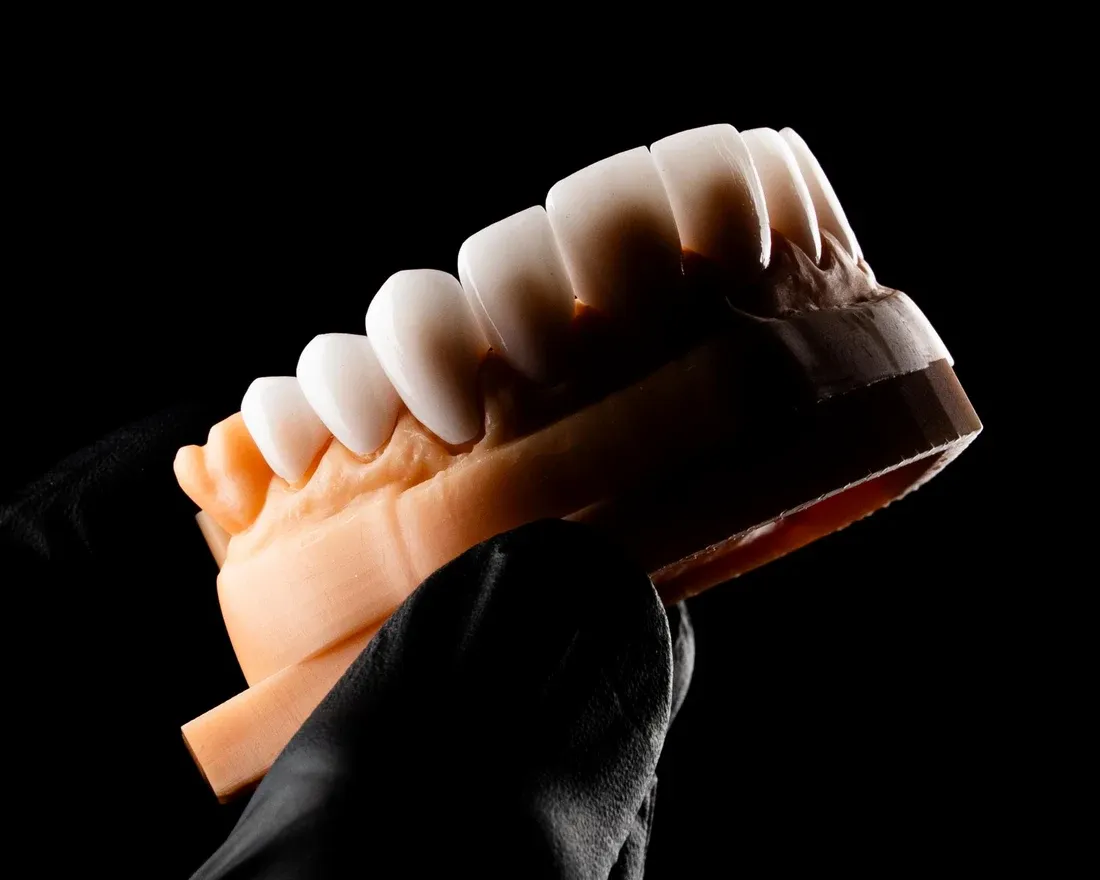
Full-arch fixed teeth with a precision-milled zirconia prosthesis.
Every case has a unique anatomy that shifts the final number — a complimentary consultation with CBCT imaging is the only way to get an accurate quote. Vivid Smiles offers in-house financing to spread treatment cost into monthly payments; Cherry, CareCredit, and Proceed Finance partners are reviewed during your consultation.
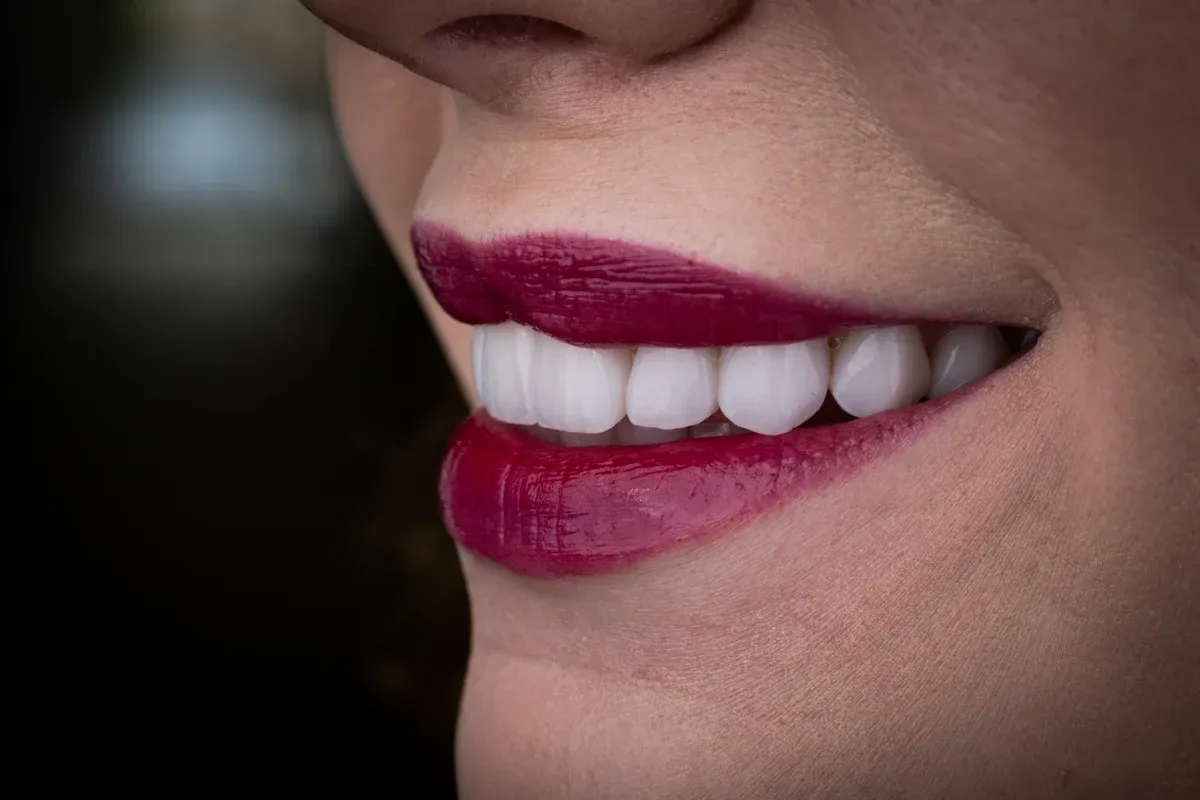
A selection of finished cosmetic and restorative work from across the practice, not All-on-4 cases specifically.
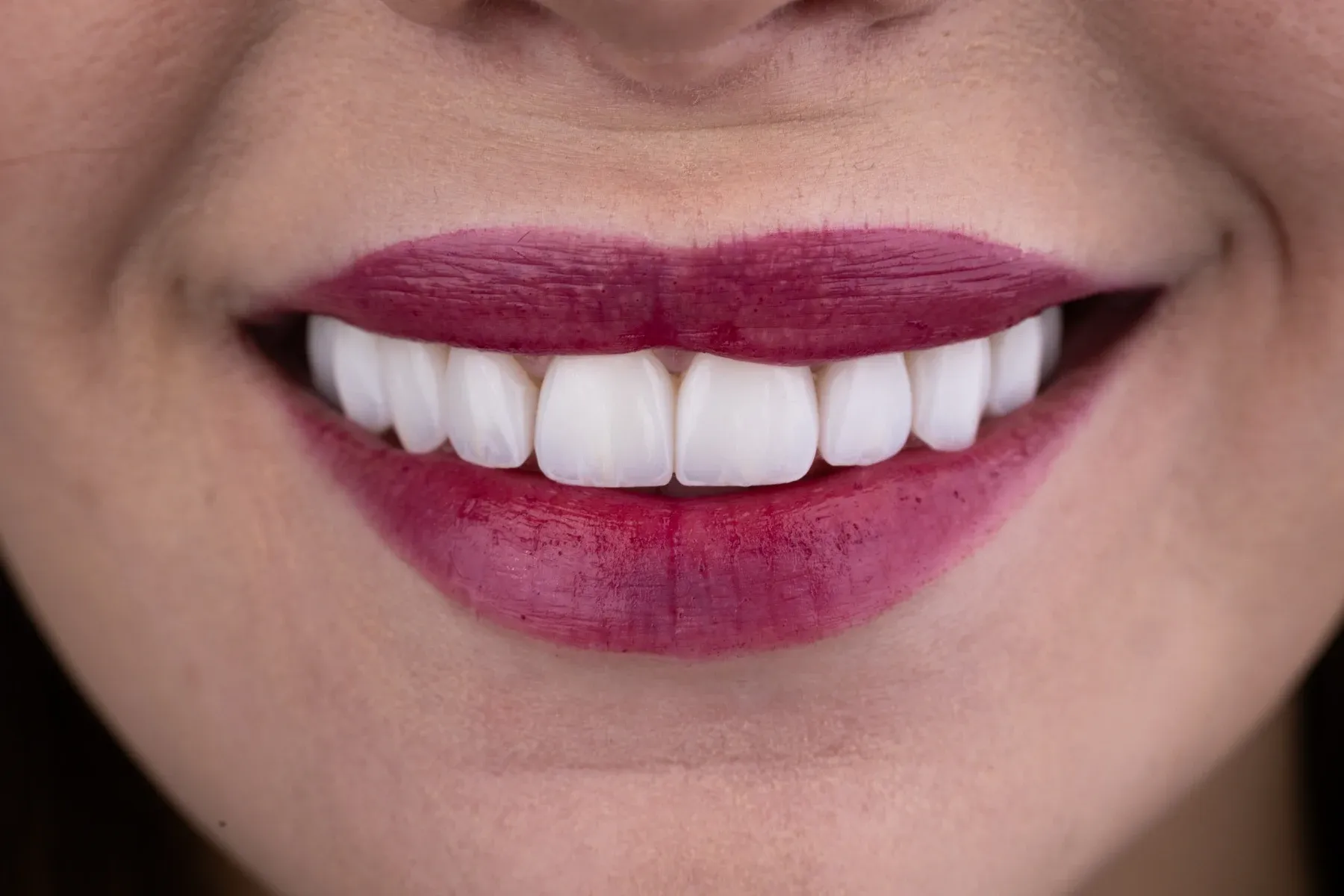
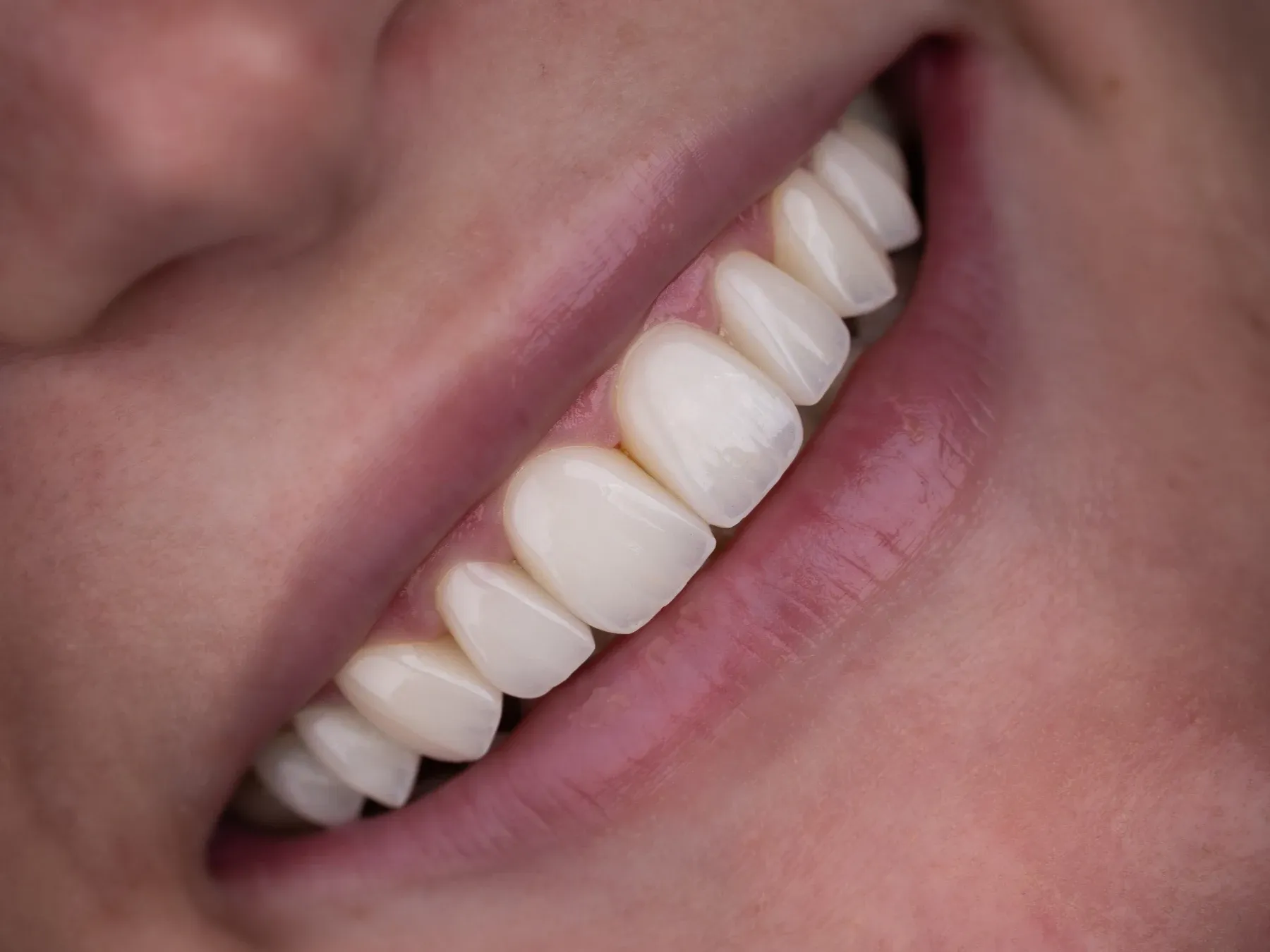
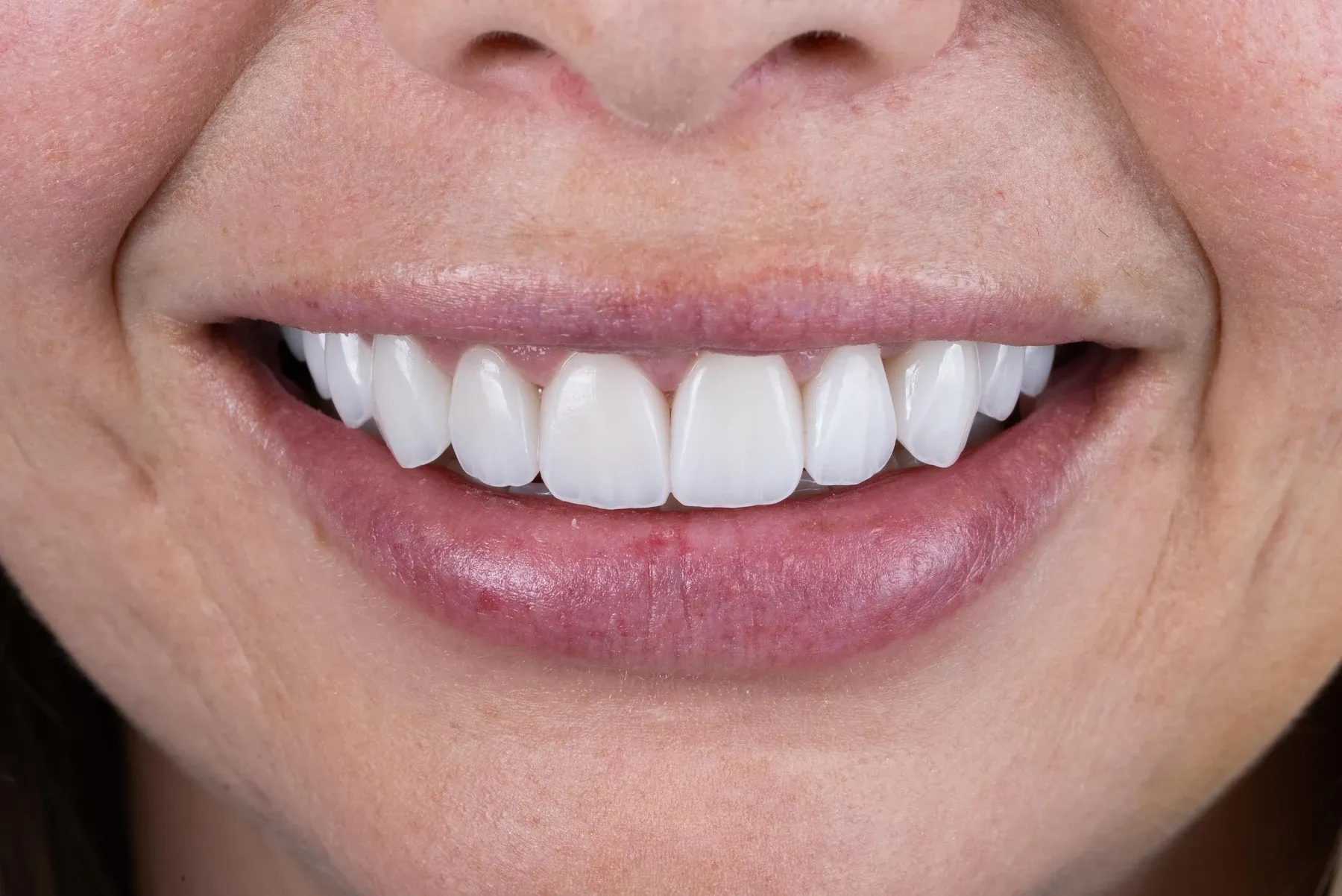
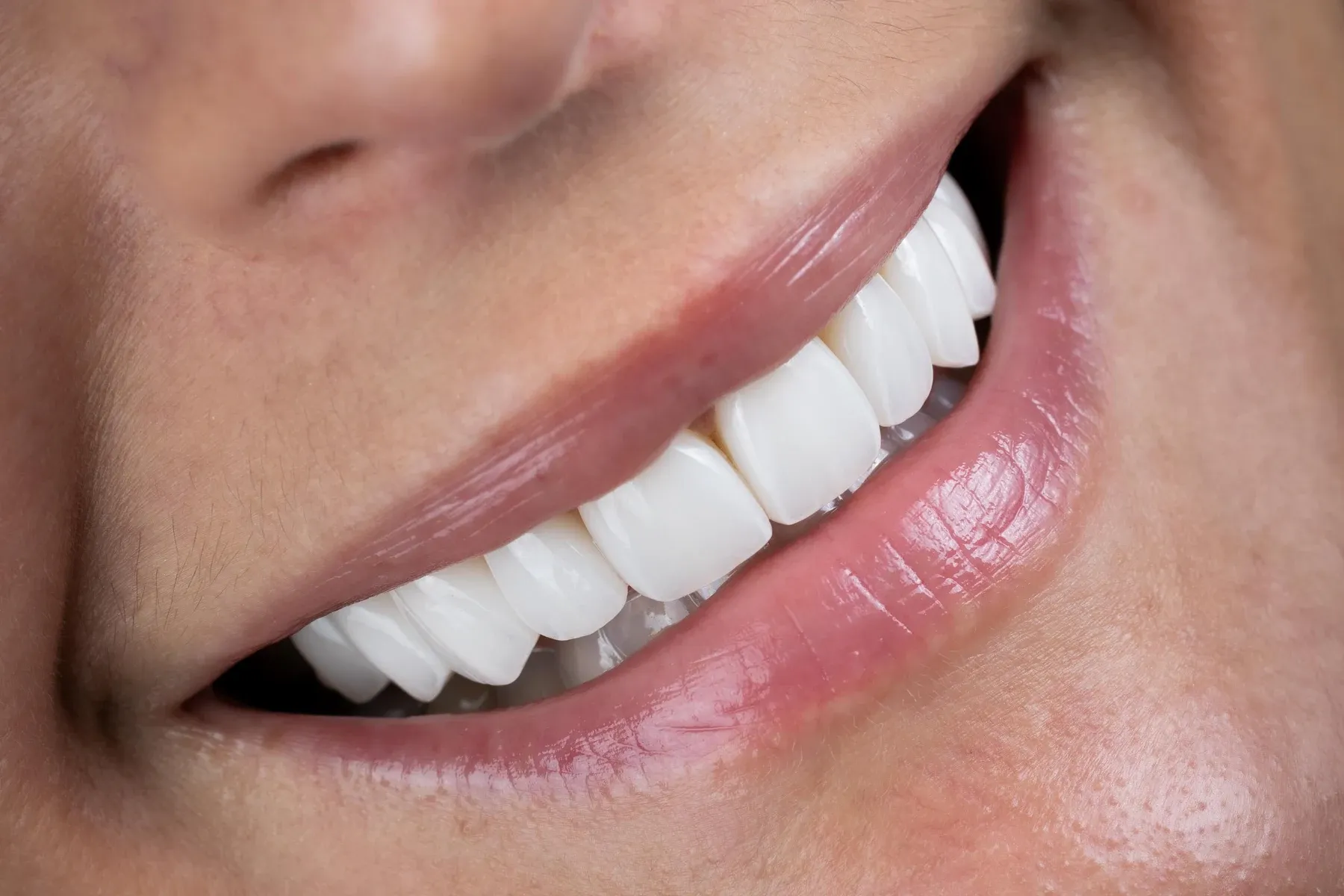
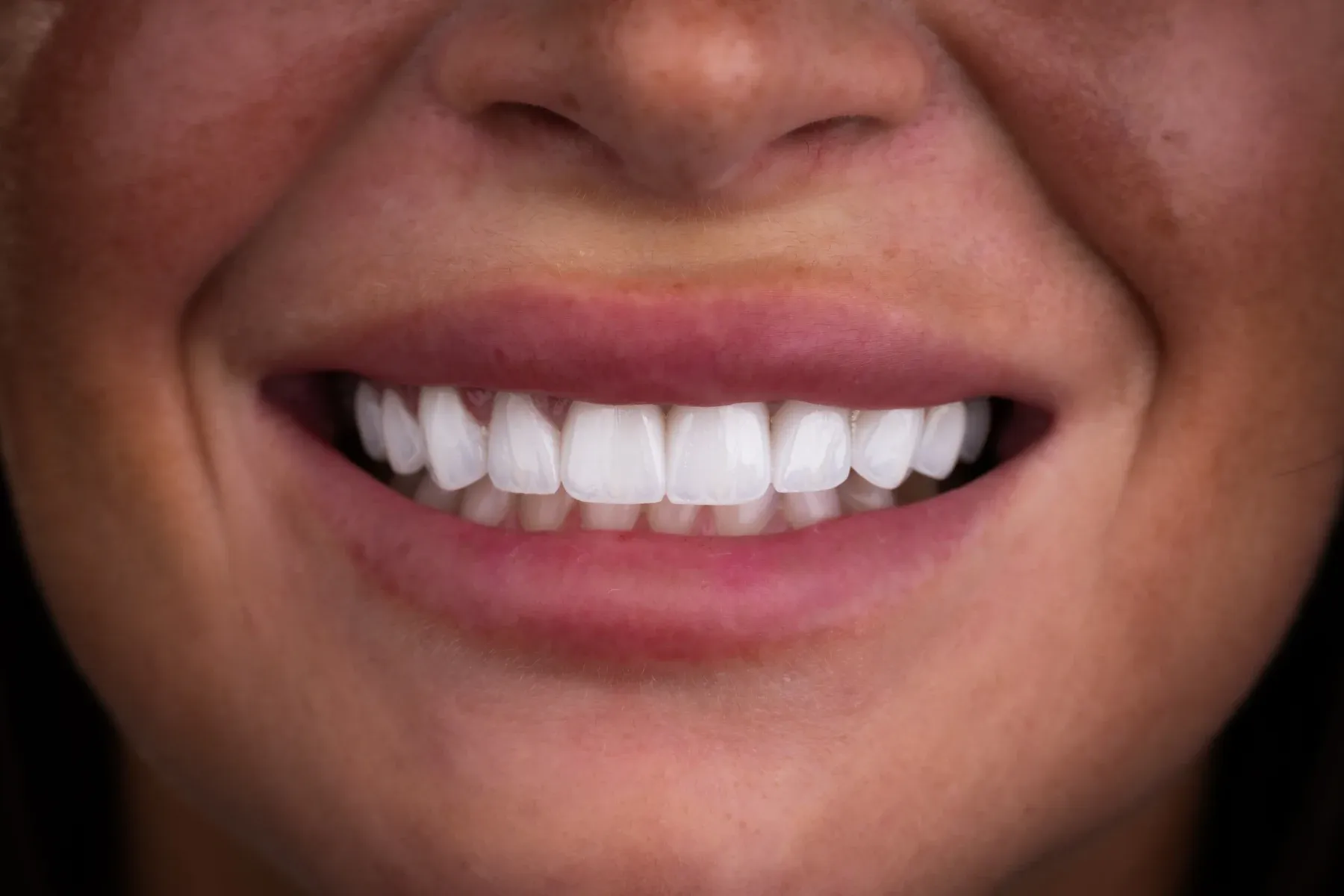
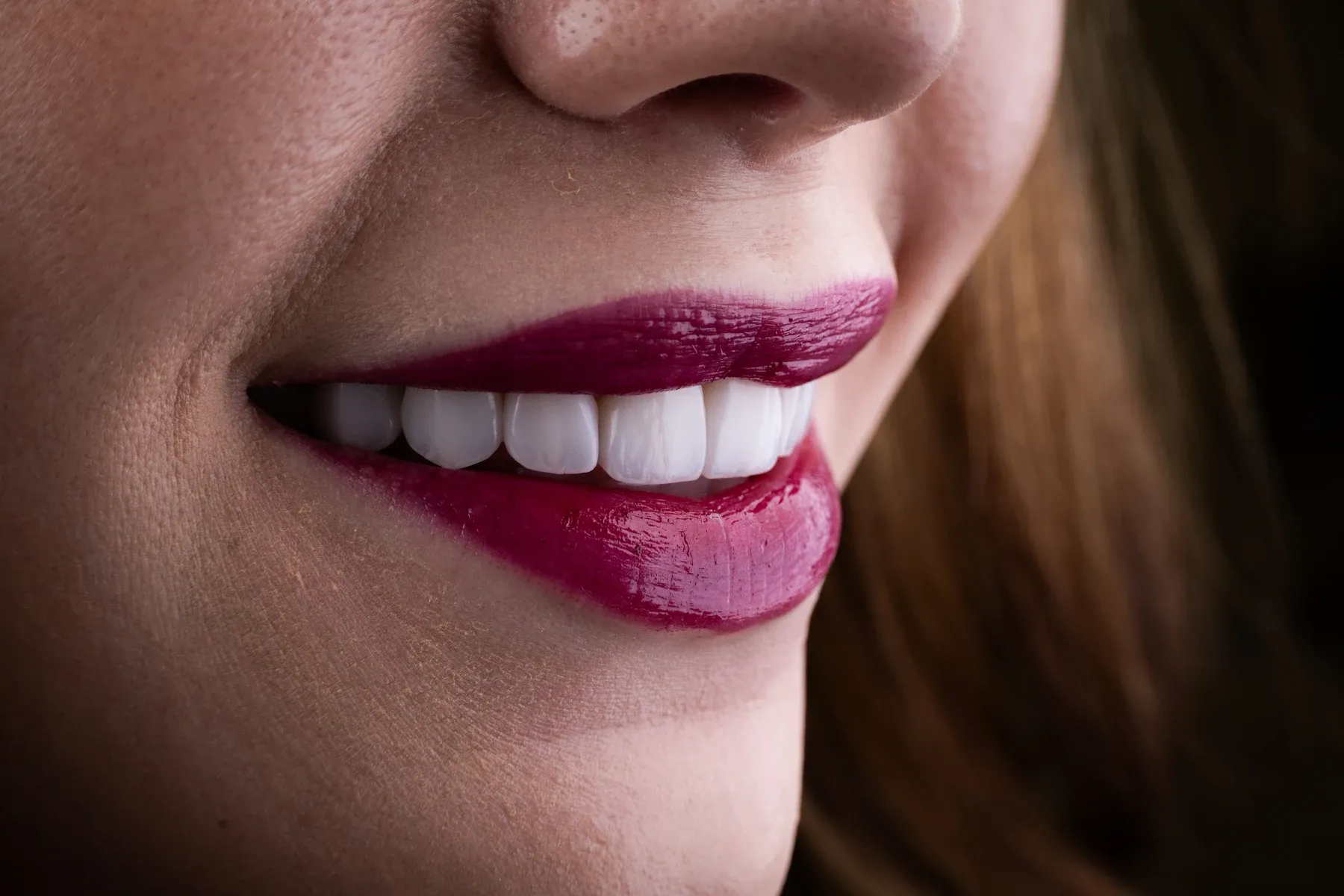
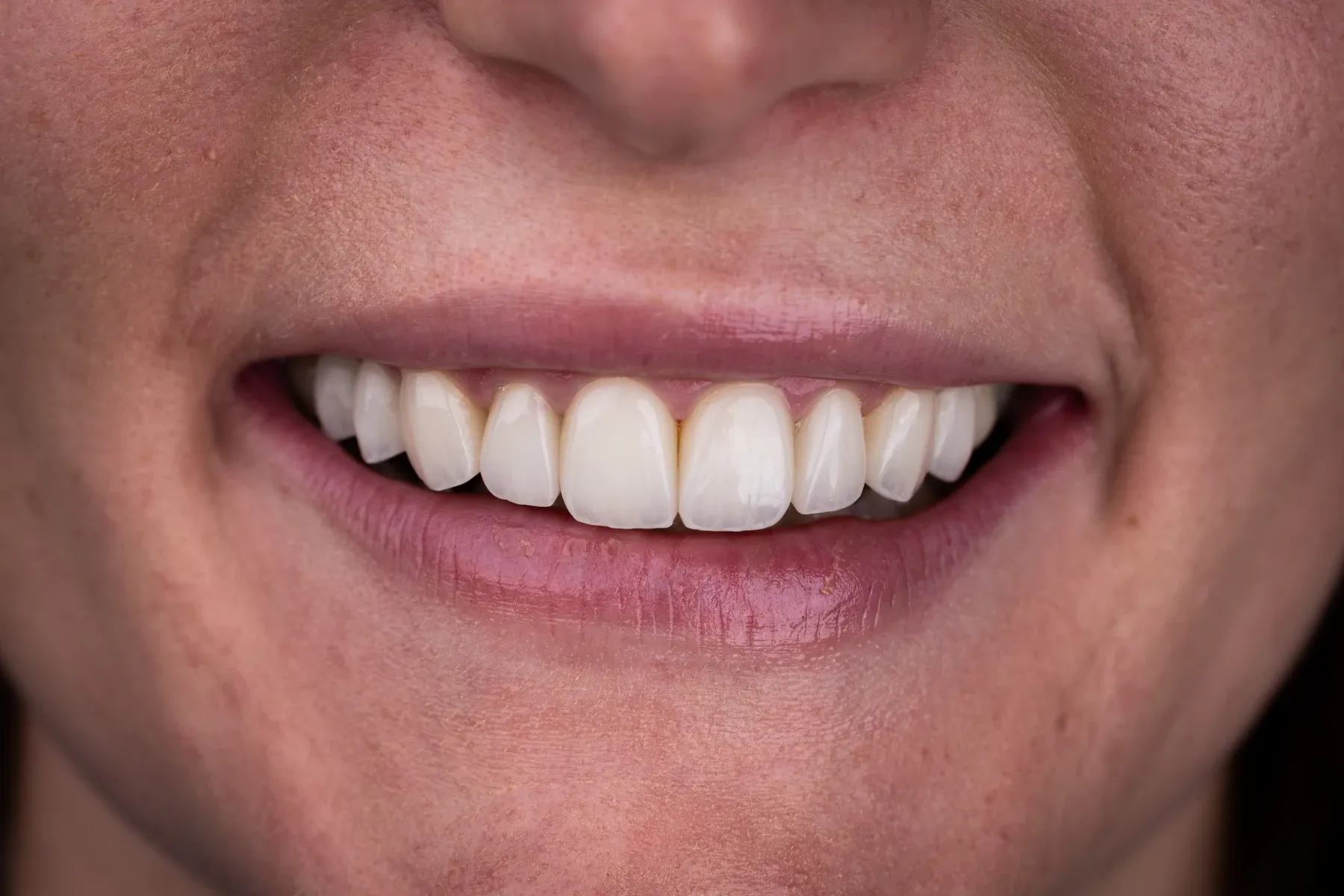
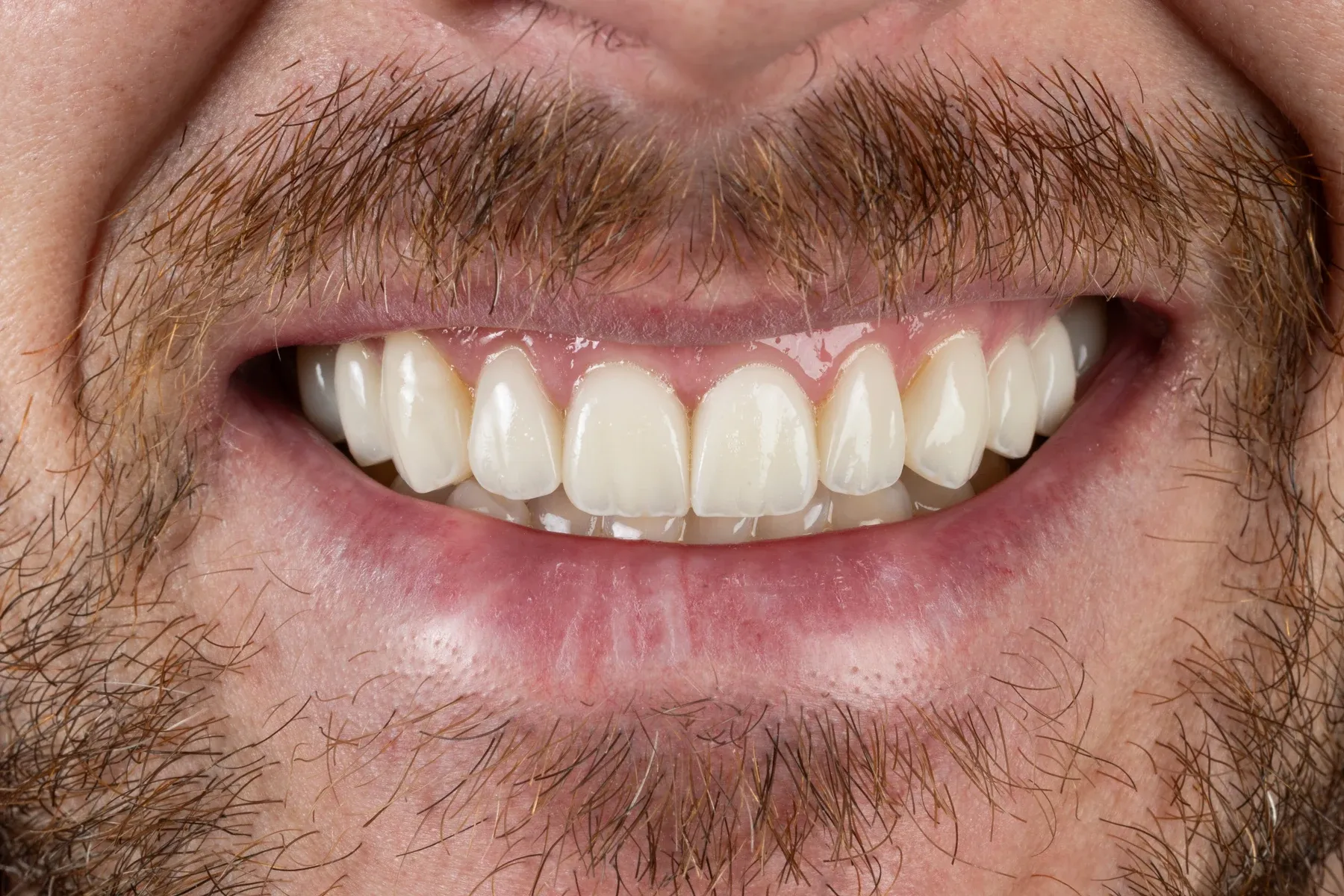
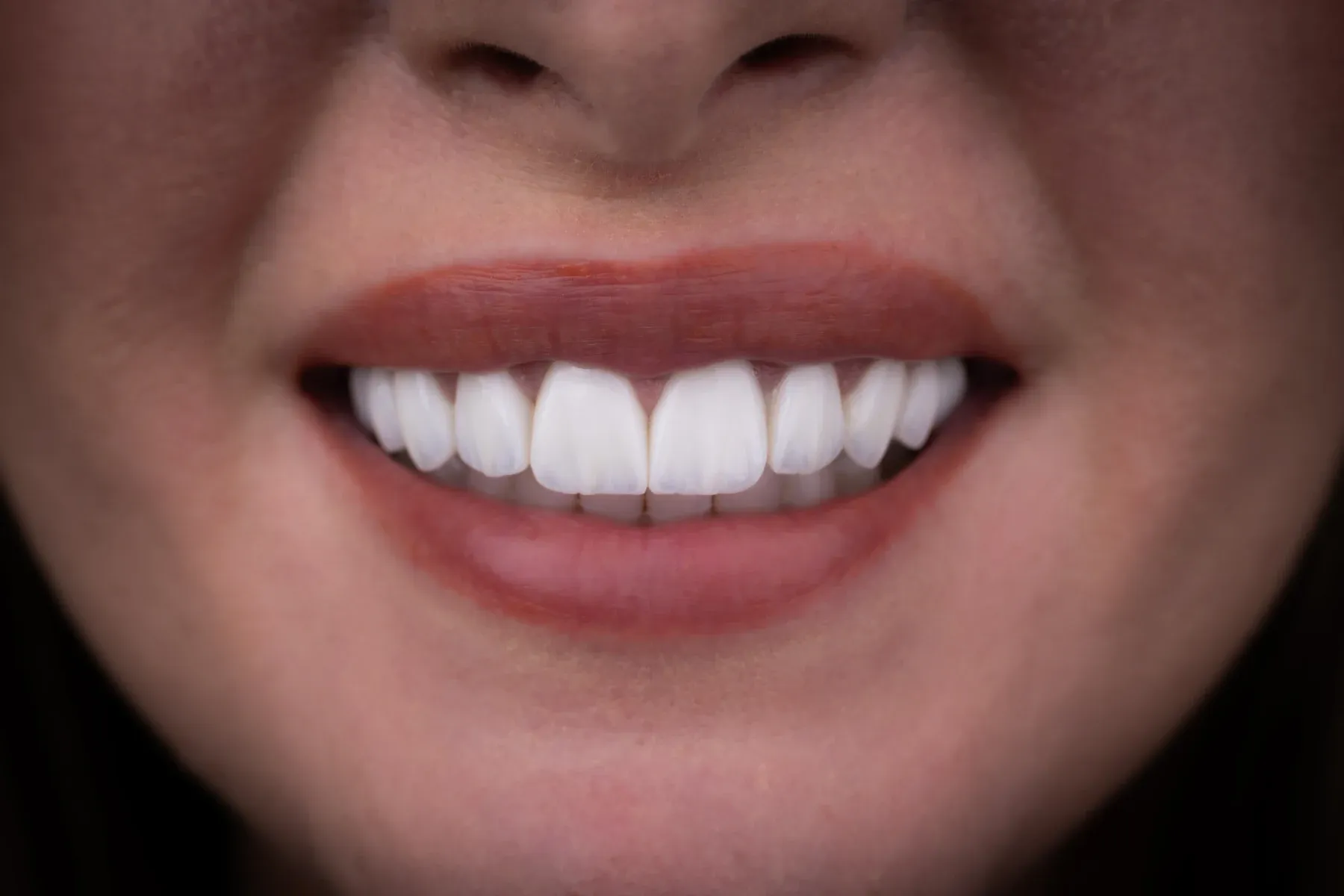
All-on-4 single arch implants offer a same-day, fixed solution for patients who have lost most or all teeth in one jaw, without the bone grafting requirements that traditional implants demand. Robotic placement, zirconia material options, and honest candidacy evaluation are what separate predictable long-term outcomes.
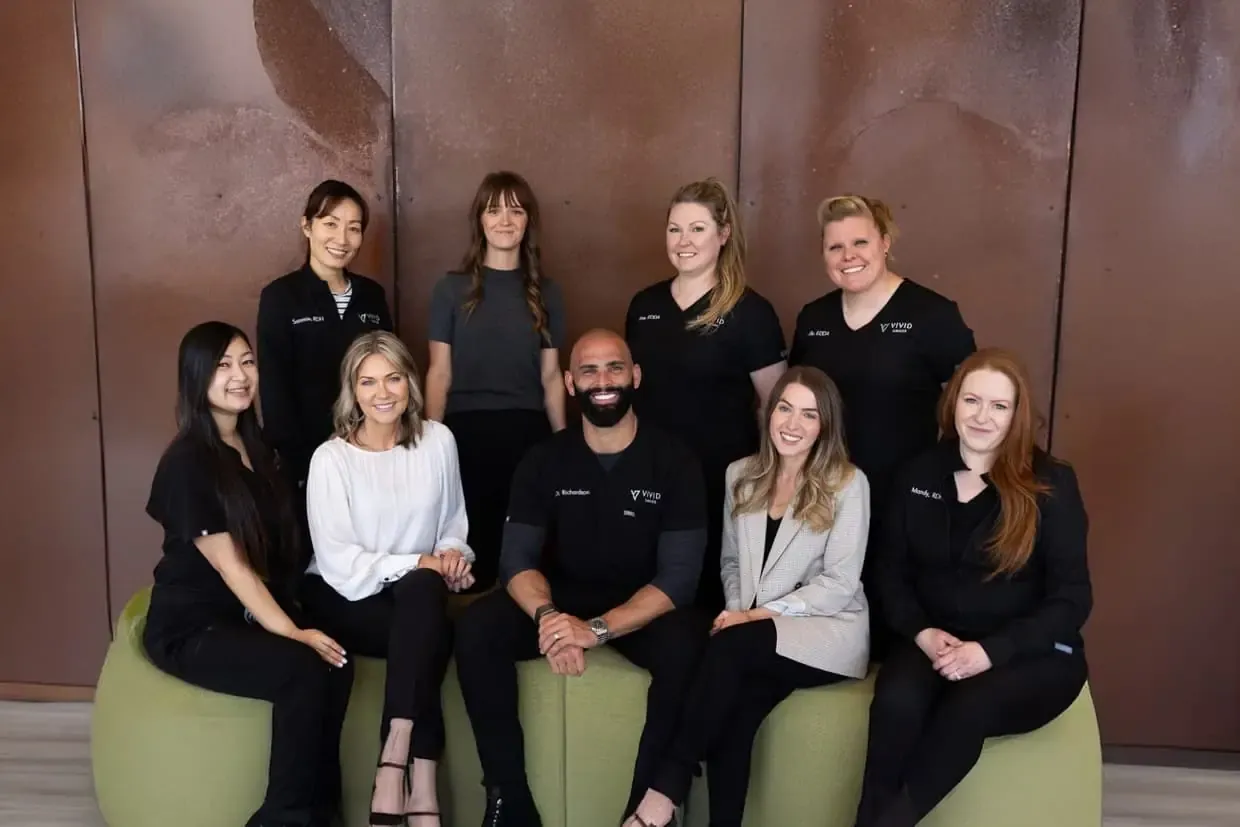
Vivid Smiles Dentistry in Parker, CO, brings Dr. Richardson's 600+ hours of surgical training, Implant Pathway credentials, and robotic technology to deliver outcomes grounded in precision planning. Schedule your complimentary consultation below or call (303) 841-5313 to learn which arch treatment suits you.
Complete and submit the virtual consultation form on this page.
After sending your request, we'll reach out to confirm it's been received.
Dr. Richardson will review your information and record a personalized video reviewing your smile, answering your questions, and discussing treatment options.
If you choose to move forward, our team will work with you to take the next steps toward your dream smile.
Dr. Bryce Richardson combines robotic precision with 600-plus hours of advanced surgical training to deliver All-on-4 outcomes built to last decades.