01
600+ Hours of Surgical Training
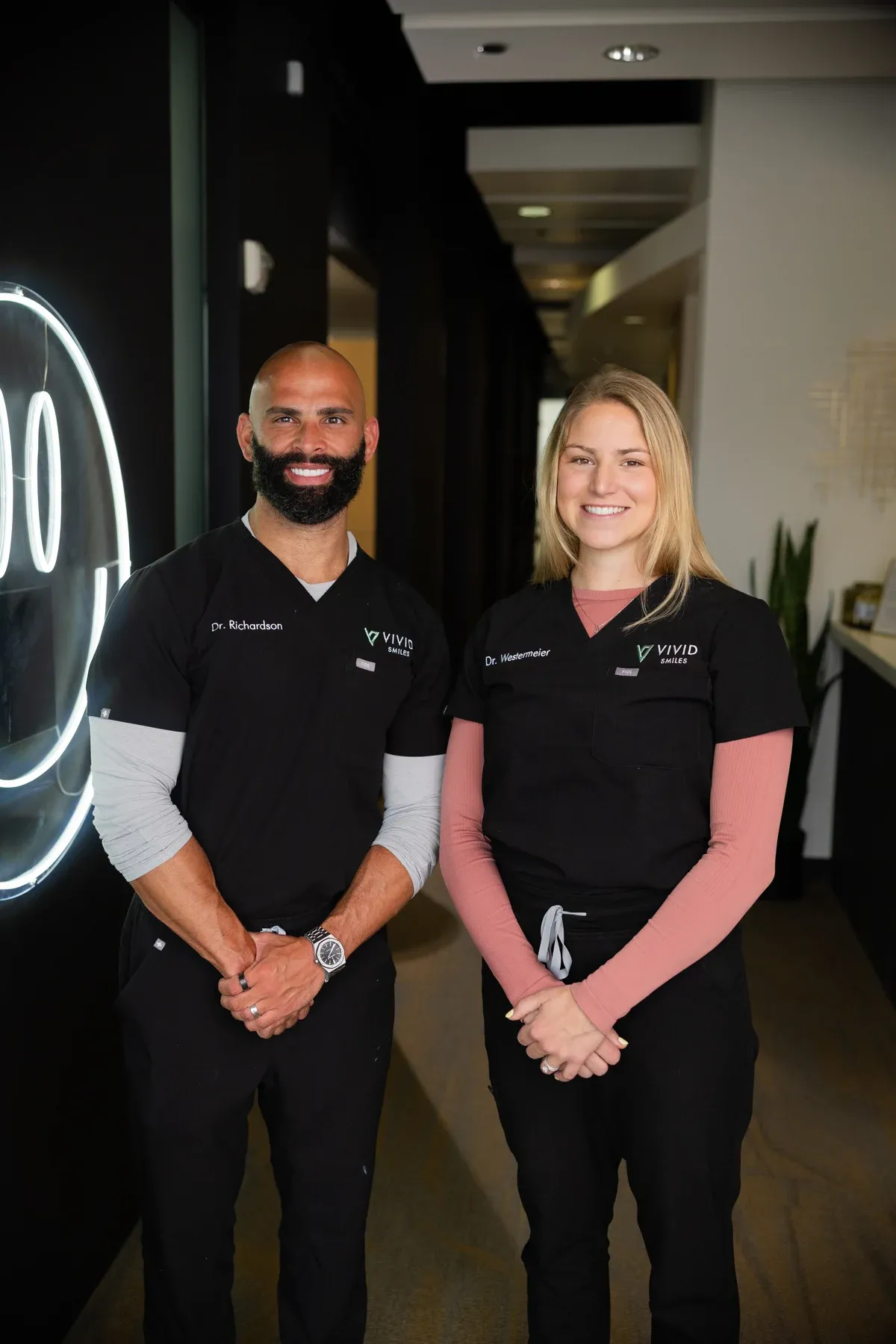
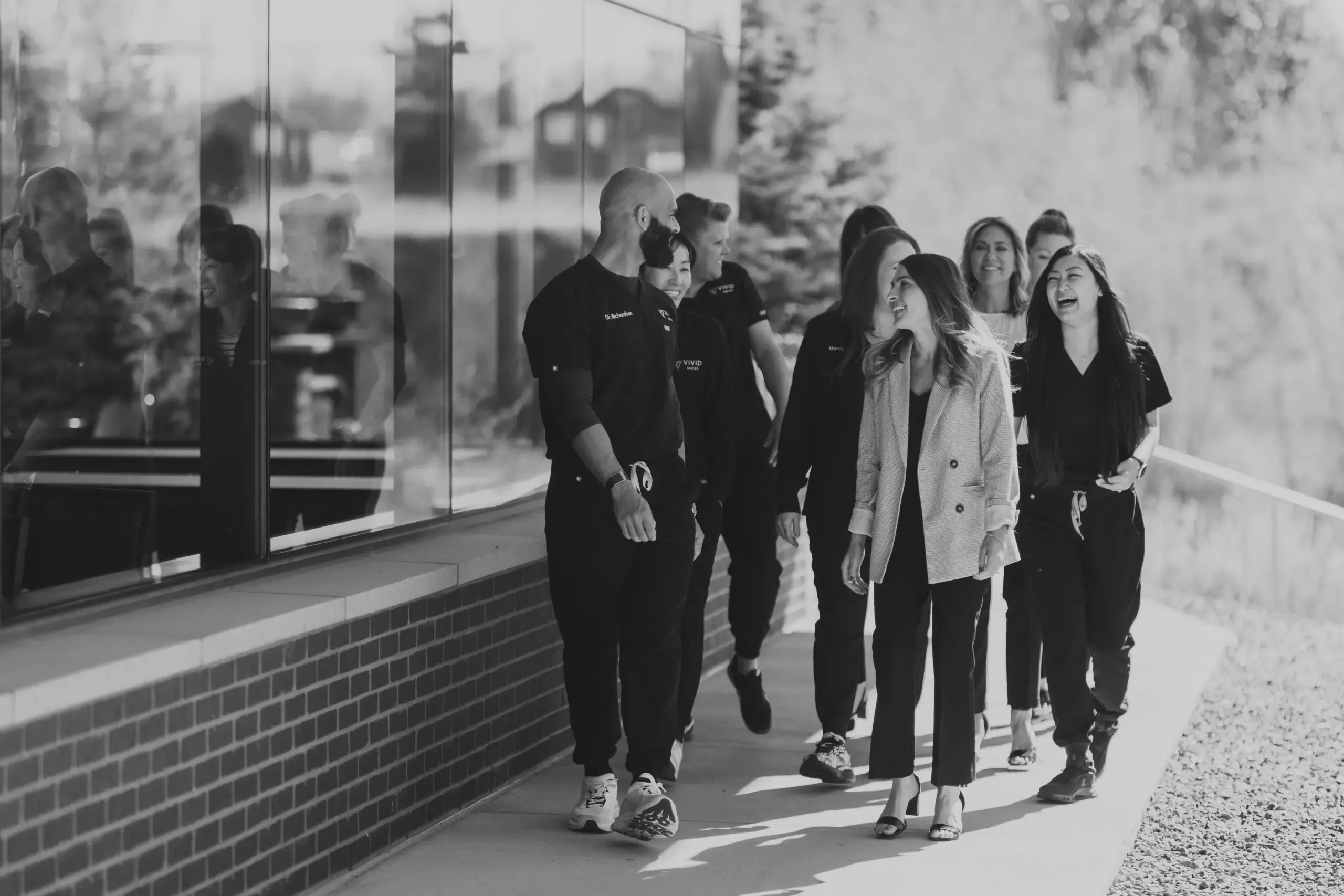
Dr. Richardson brings 600-plus hours of specialized surgical training and Implant Pathway staff experience to every bone grafting case.
Bone grafting rebuilds jawbone lost after tooth extraction or gum disease, creating the foundation needed for dental implants. Without adequate bone volume, implants cannot anchor securely, which is why Dr. Richardson evaluates every patient with CBCT 3D imaging before recommending treatment. Here is what bone grafting involves, who needs it, and what to expect at Vivid Smiles Dentistry in Parker.
Dr. Richardson brings 600-plus hours of specialized surgical training and Implant Pathway staff experience to every bone grafting case.
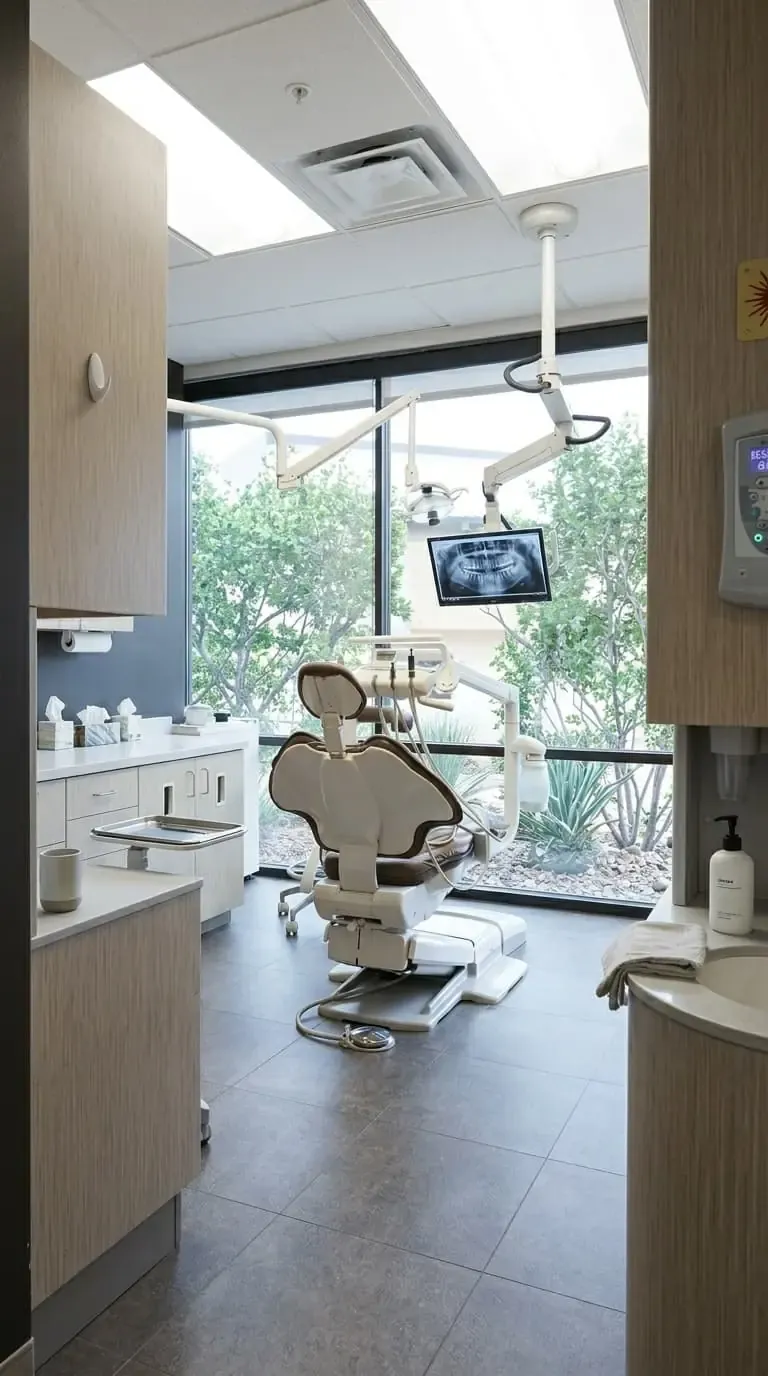
CBCT imaging guides bone volume assessment before treatment begins, and robotic implant placement follows once healing is confirmed.
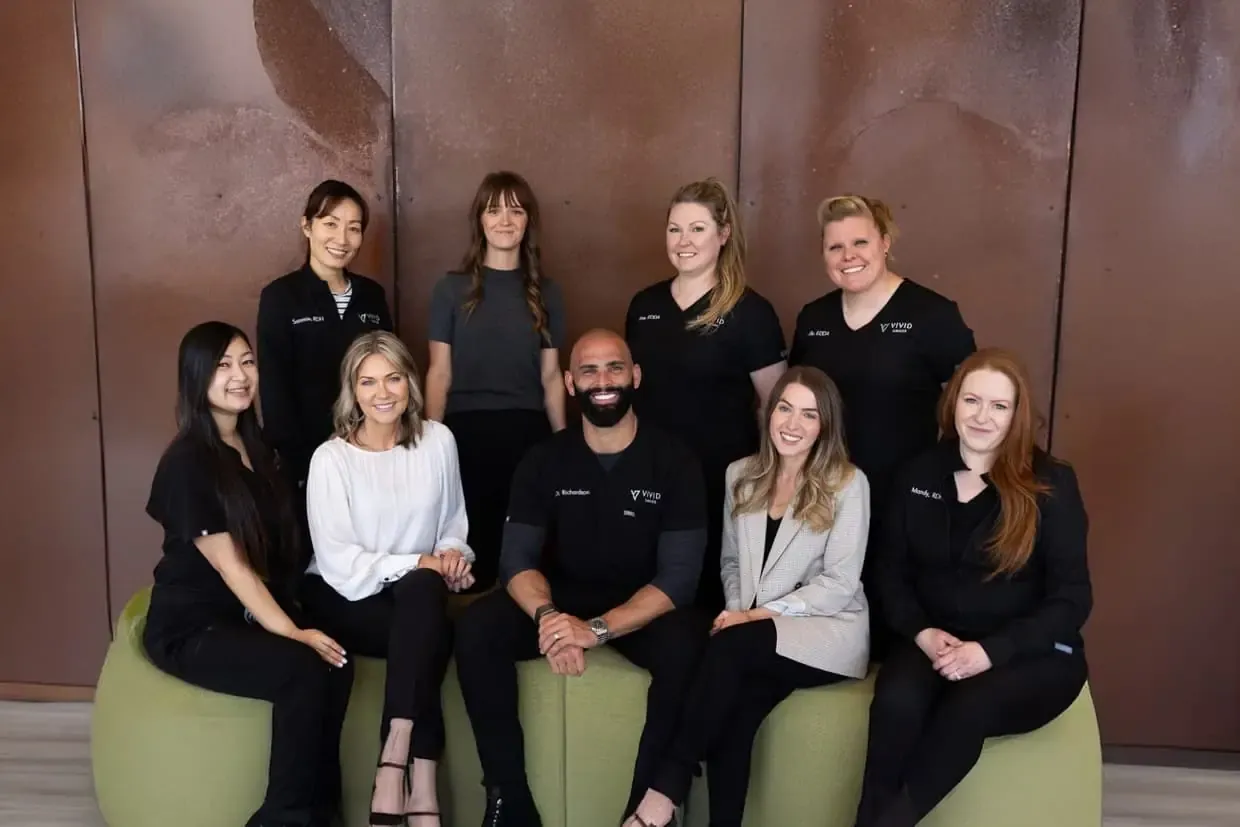
Vivid Smiles holds a 5-star rating across 300+ Google reviews, reflecting the precision and patient-first care Parker patients receive at every stage.
Dr. Richardson trained at Implant Pathway, one of the country's most selective implant training institutions, and lives and practices in Parker, CO.
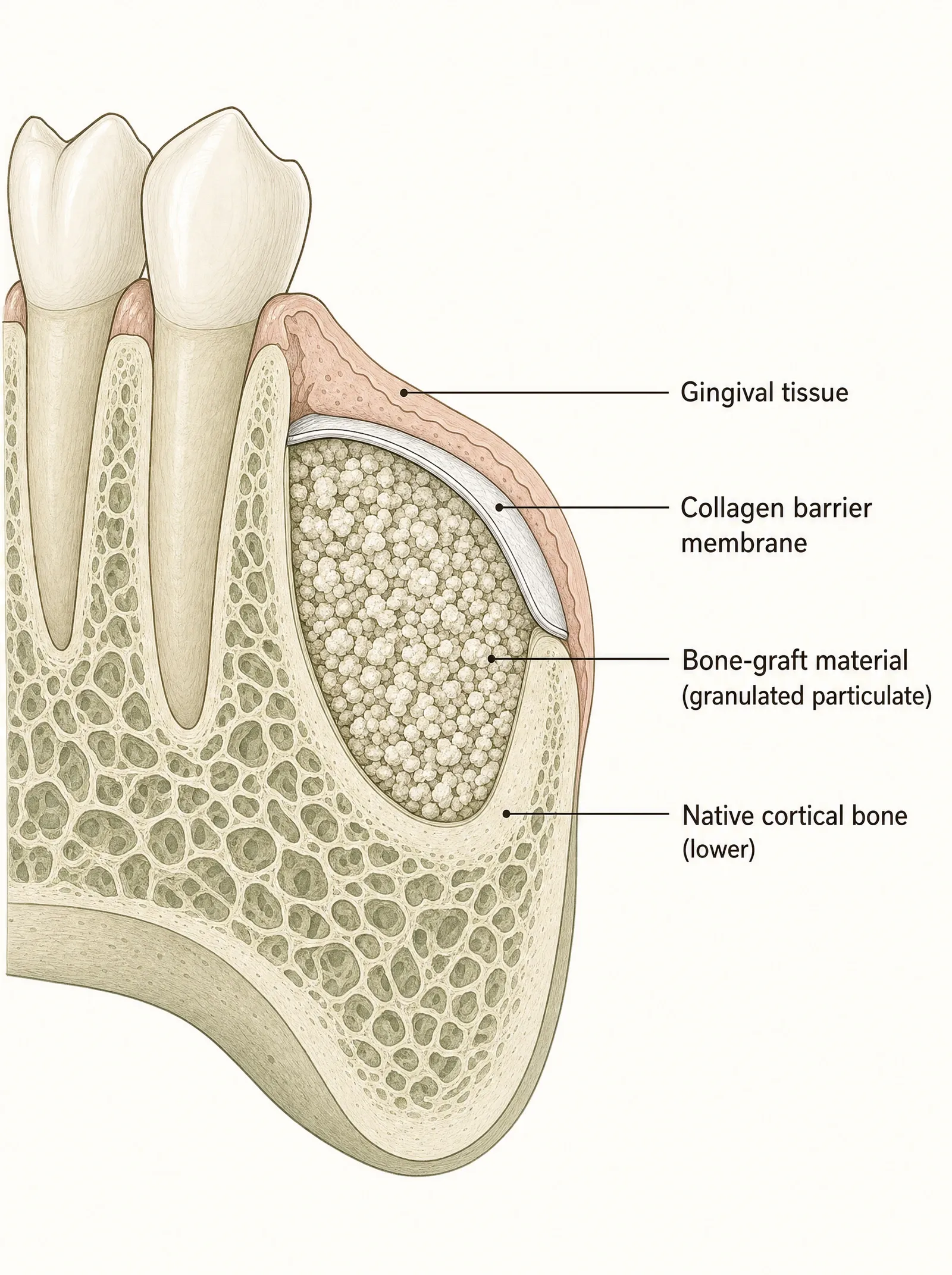
Bone grafting adds material to the jaw to restore volume and density lost after tooth removal or long-term tooth absence. Once a tooth is gone, the surrounding bone breaks down without the stimulation it needs. Dr. Richardson uses CBCT imaging to measure exactly how much bone remains before recommending a grafting approach.
Jawbone loss most often results from tooth extraction without replacement, periodontal disease, or a missing tooth left untreated for years. How quickly bone resorbs varies by patient. CBCT imaging reveals your current bone volume and determines whether grafting is necessary before implant planning begins.
Bone grafting is the prerequisite that makes implant placement possible when natural bone volume is insufficient. Implants require a dense, stable base to anchor and function long-term. At Vivid Smiles, robotic implant placement follows grafting, and the quality of that graft determines the precision the technology can deliver.
Bone grafting is needed when bone loss is significant enough to prevent stable implant placement. Common candidates include patients with unpreserved extraction sites, multiple missing teeth, or denture wearers considering implant-supported options. Not all implant cases require grafting, and a CBCT evaluation at Vivid Smiles confirms whether it applies to you.
Bone grafting at Vivid Smiles follows a precise, imaging-guided process.
Dr. Richardson maps your jaw in 3D to measure bone volume and identify the exact grafting site.
A custom approach is designed using digital imaging data before any procedure begins.
Local anesthesia is applied; graft material is placed and secured in a single visit.
The graft undergoes osseointegration (gradual fusion with existing bone) over 3 to 6 months.
Once healing is confirmed, implants are placed with robotic-assisted positioning for precision.
We offer three main grafting procedures, each suited to a specific clinical situation. The right approach depends on where the implant will go and how much rebuilding your jaw requires.
Performed at extraction — graft material is placed in the empty socket immediately after a tooth is removed to maintain ridge volume for future implant placement.
Rebuilds implant site height or width when the jawbone has already resorbed, restoring the volume an implant needs to anchor securely.
Used for upper molar cases — the sinus floor is gently lifted and graft material is added to create enough vertical bone for implants in the back of the upper jaw.
Graft material is selected based on your anatomy and the procedure required.
Bone grafting makes implant placement possible for patients who have experienced significant jawbone loss, and Dr. Richardson's imaging-guided approach ensures every decision is based on your actual anatomy. Understanding the timeline and your candidacy removes the uncertainty that often delays treatment.
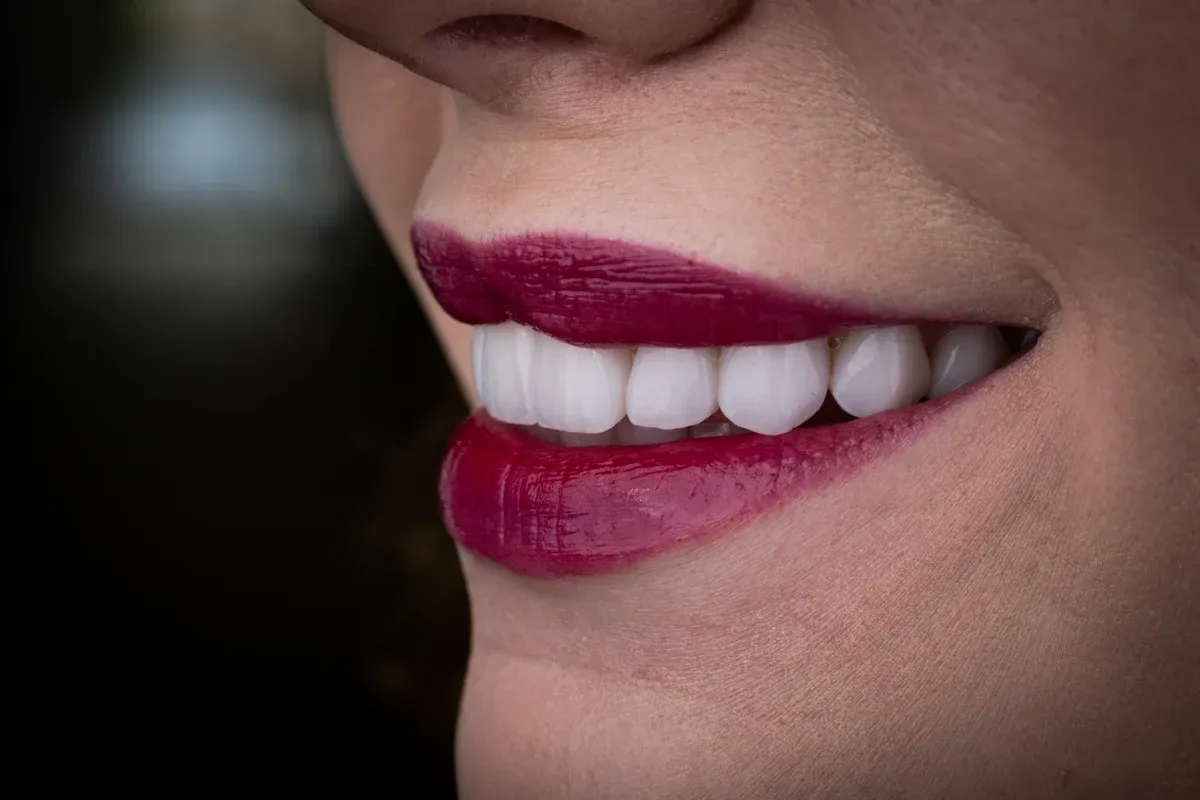
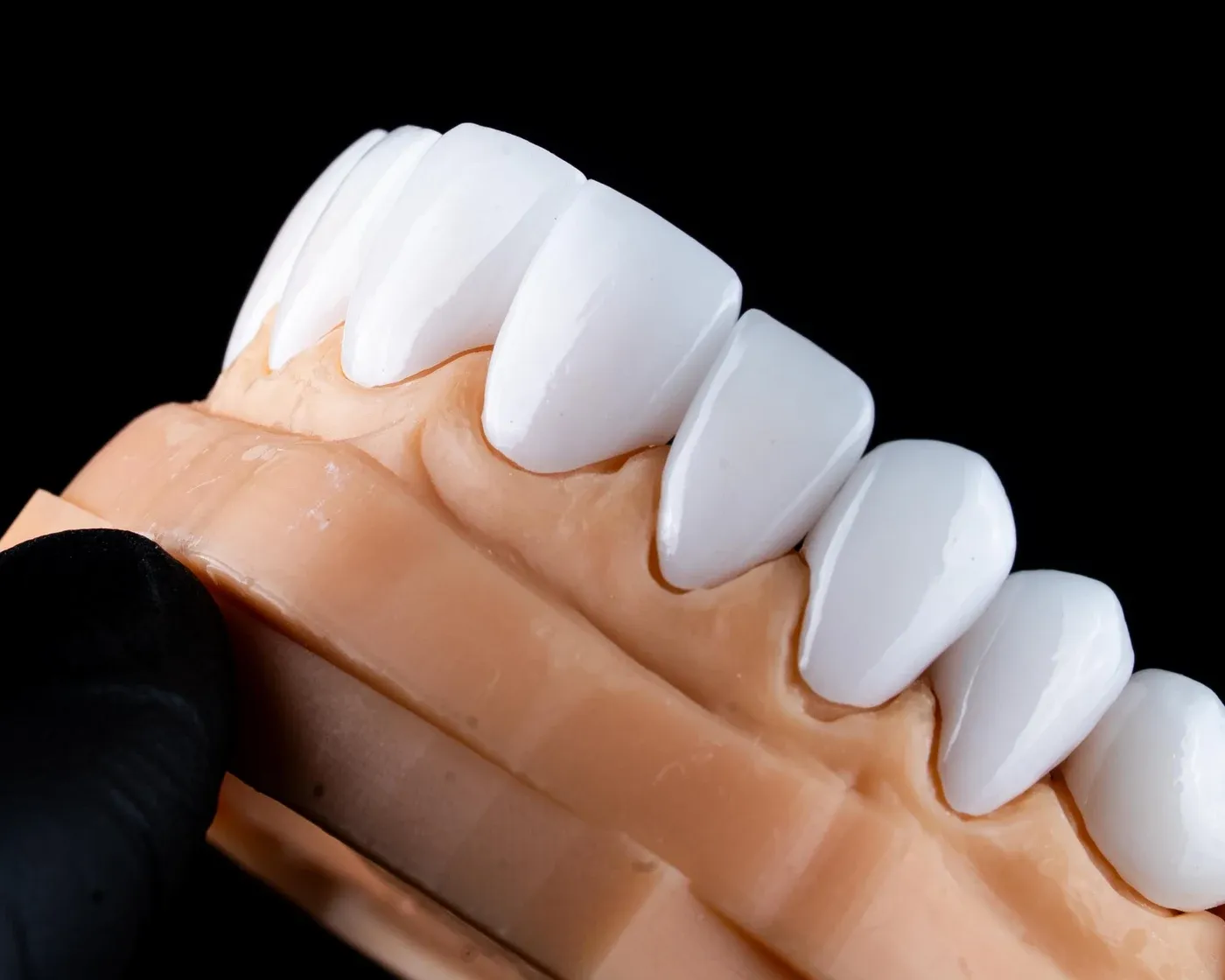
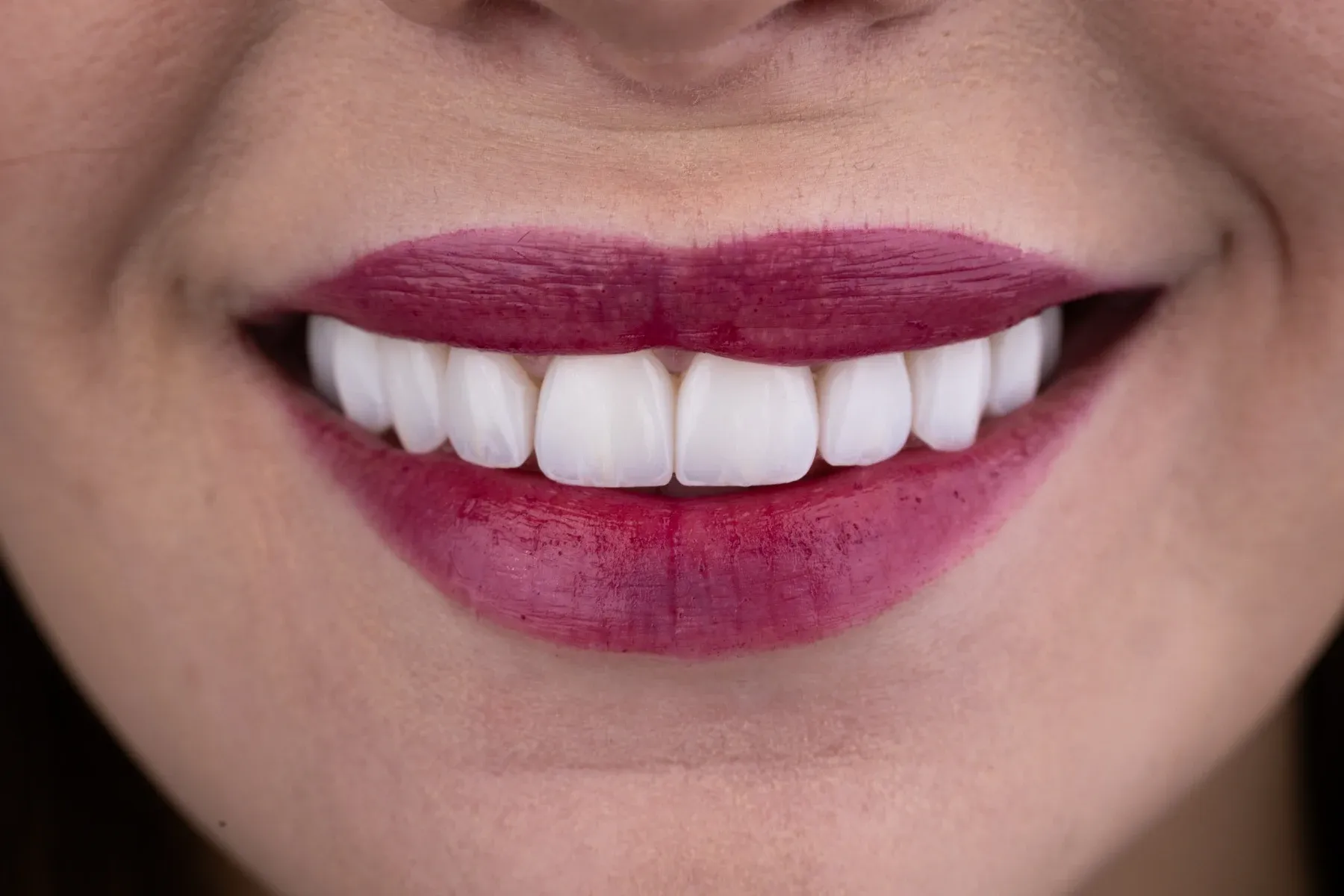
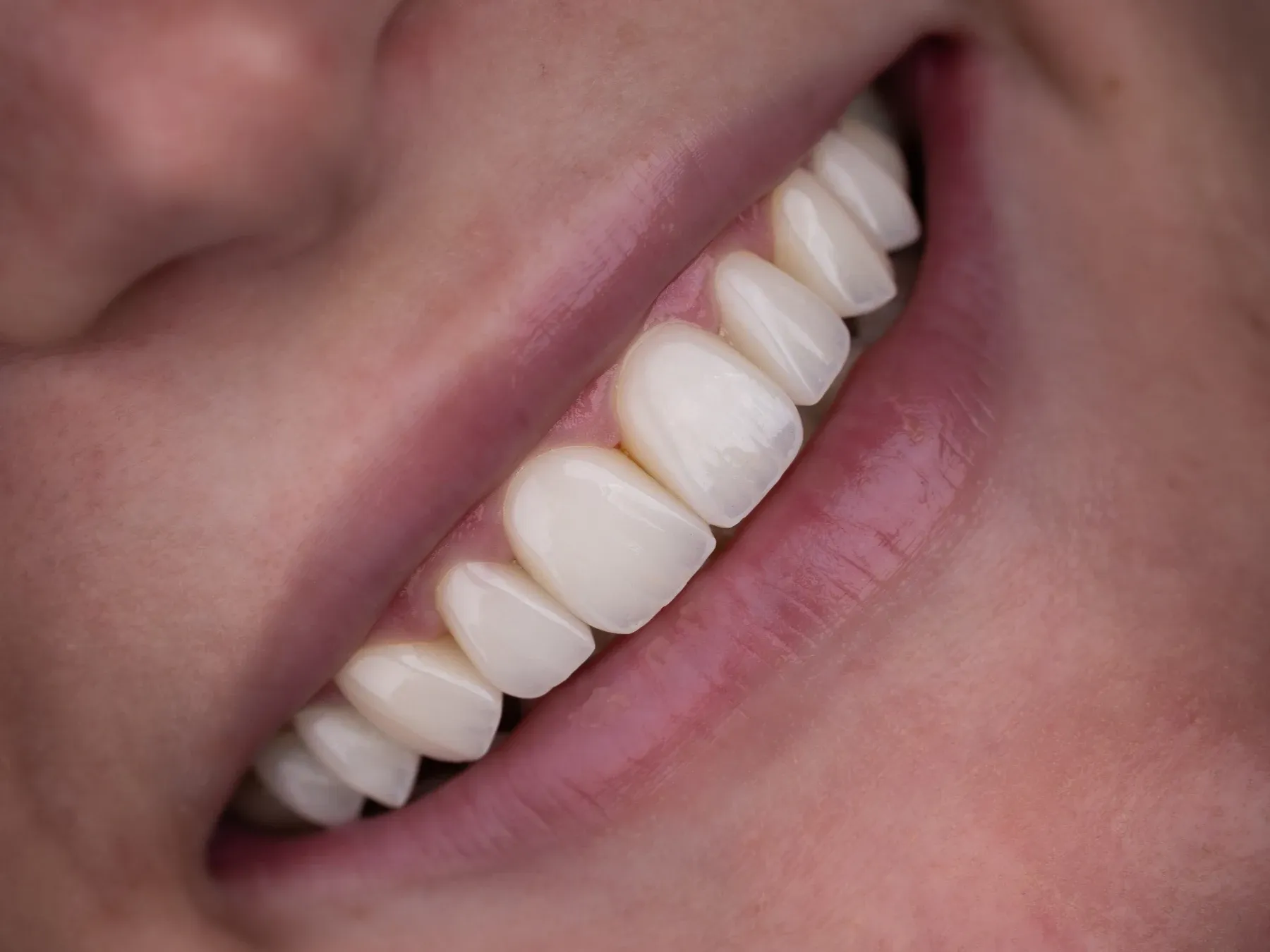
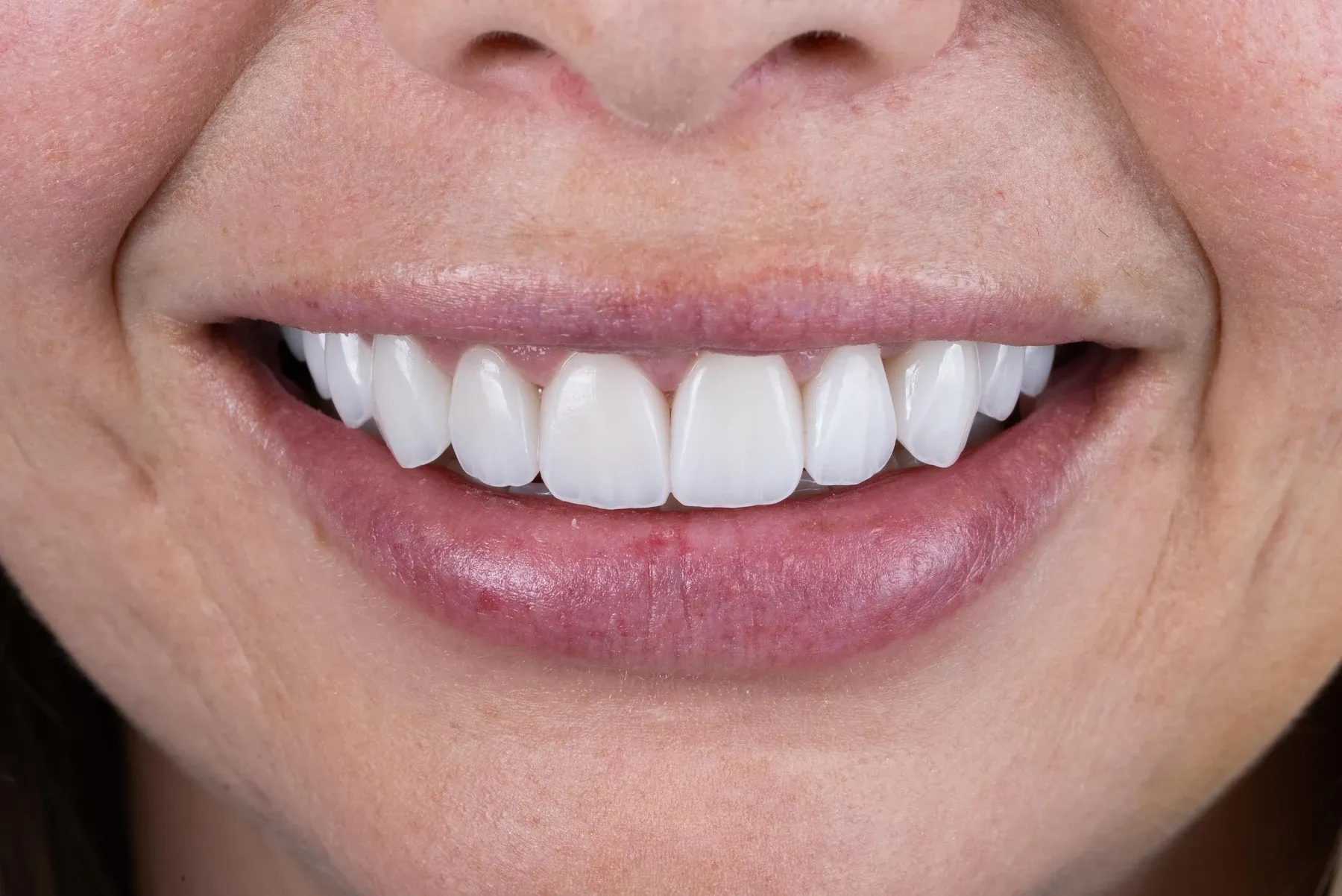
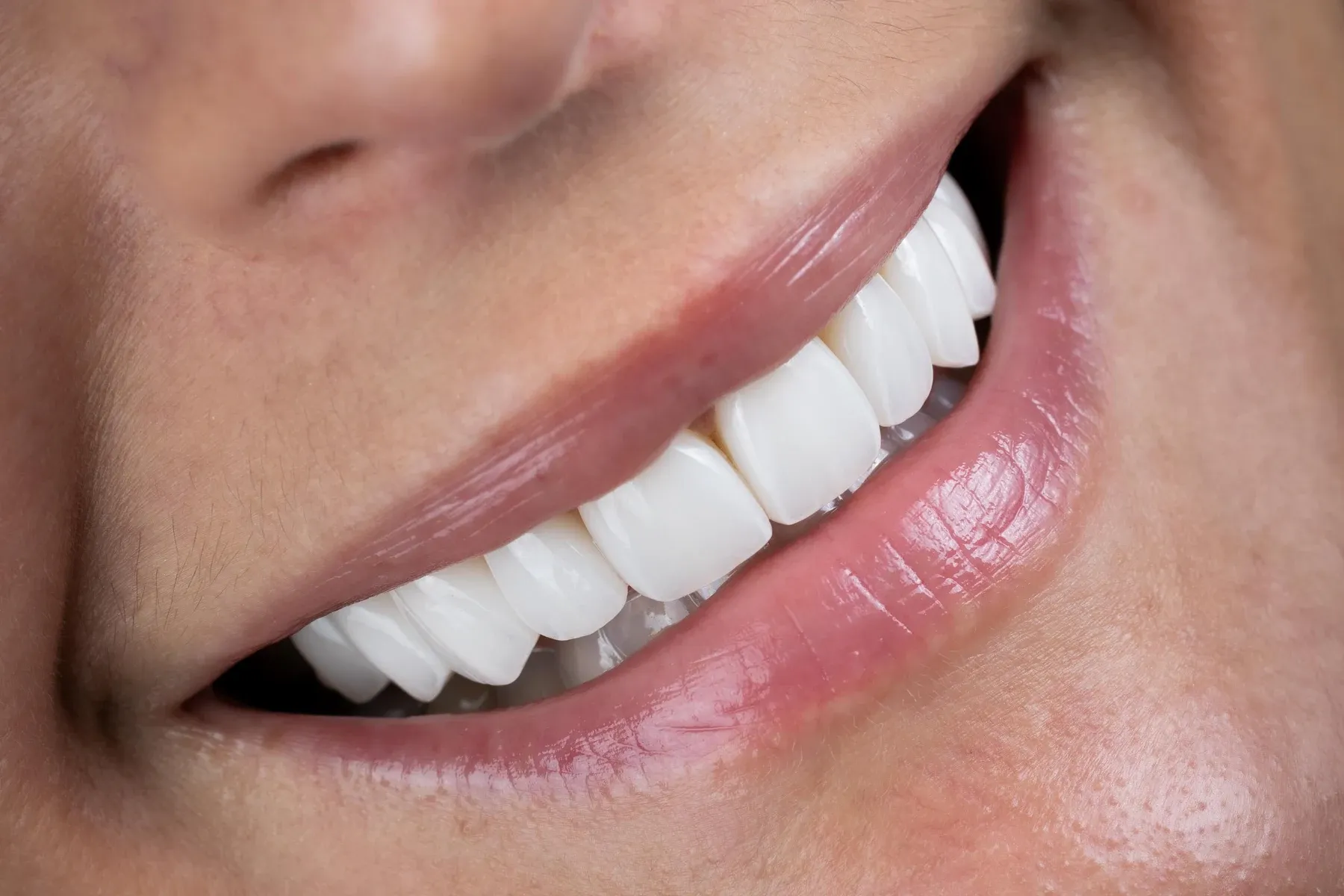
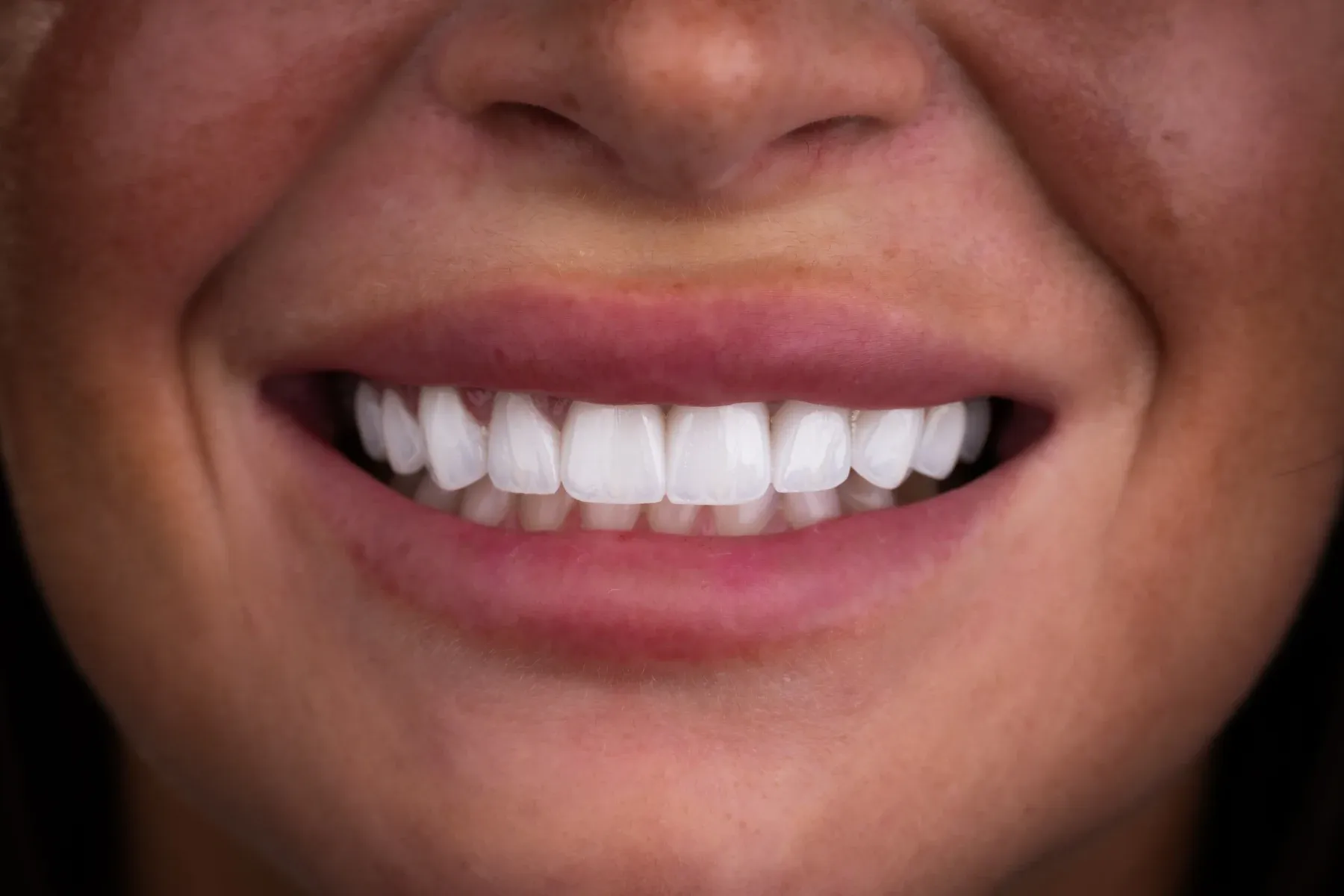
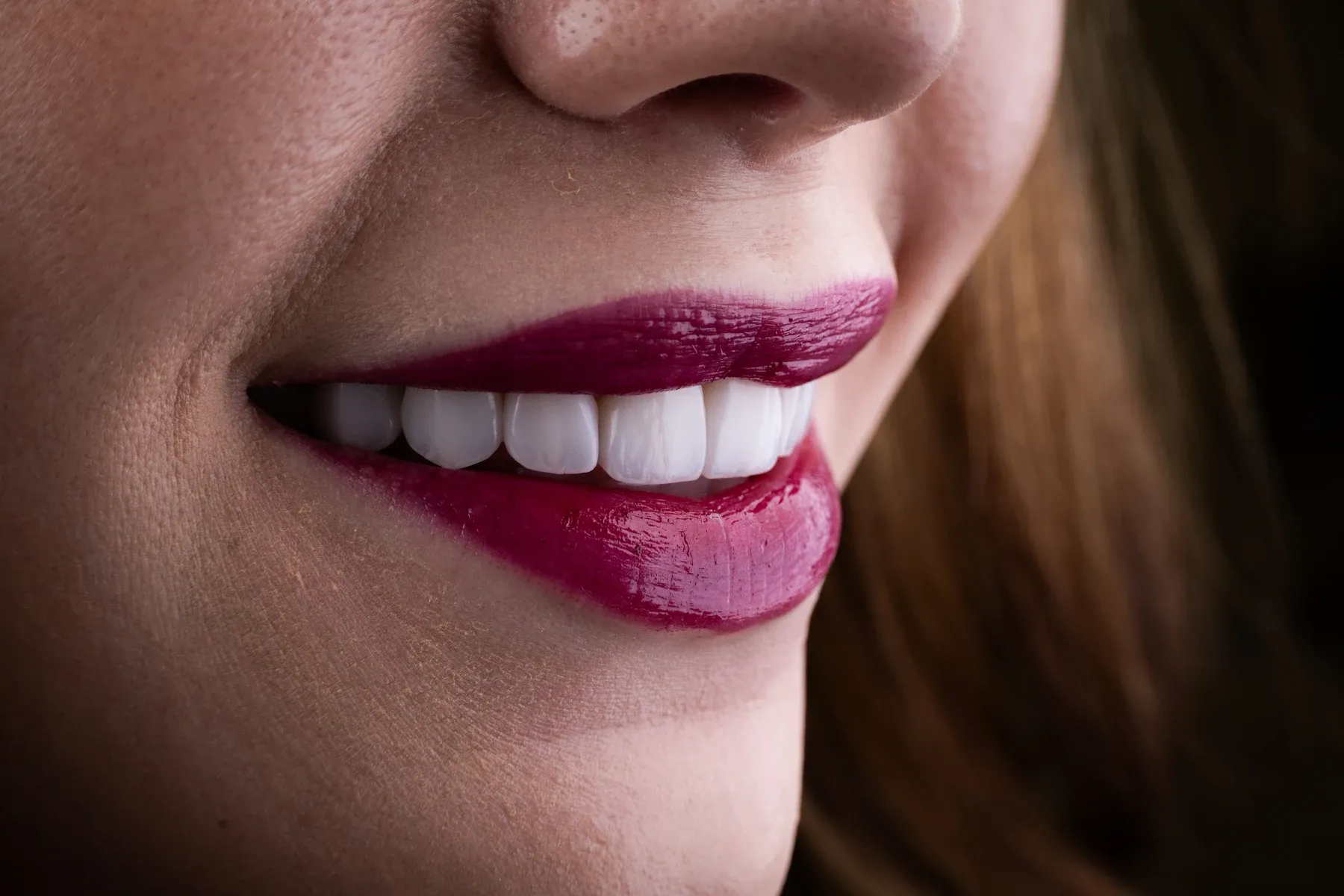
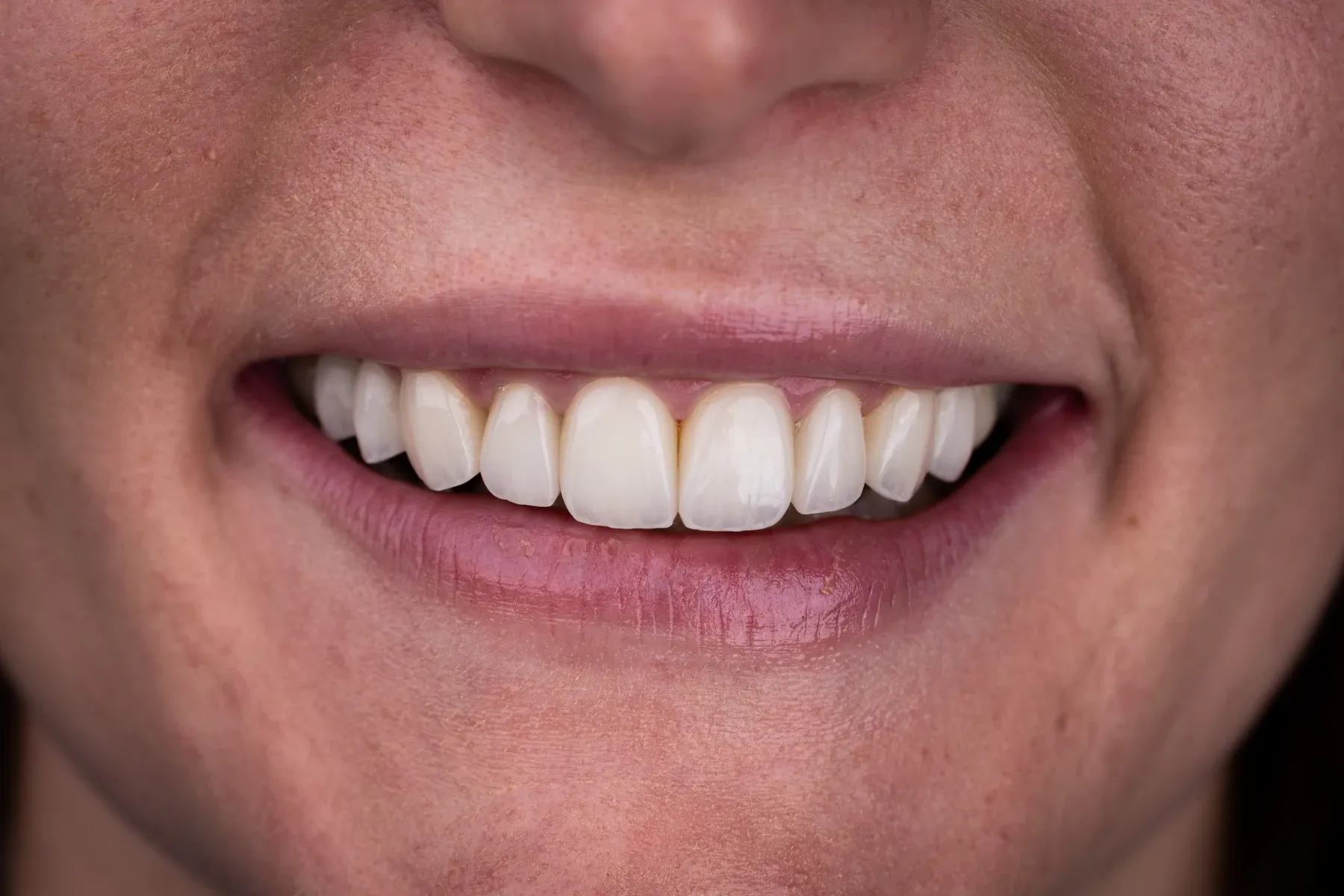
A selection of finished cosmetic and restorative work from across the practice, not bone grafting cases specifically.
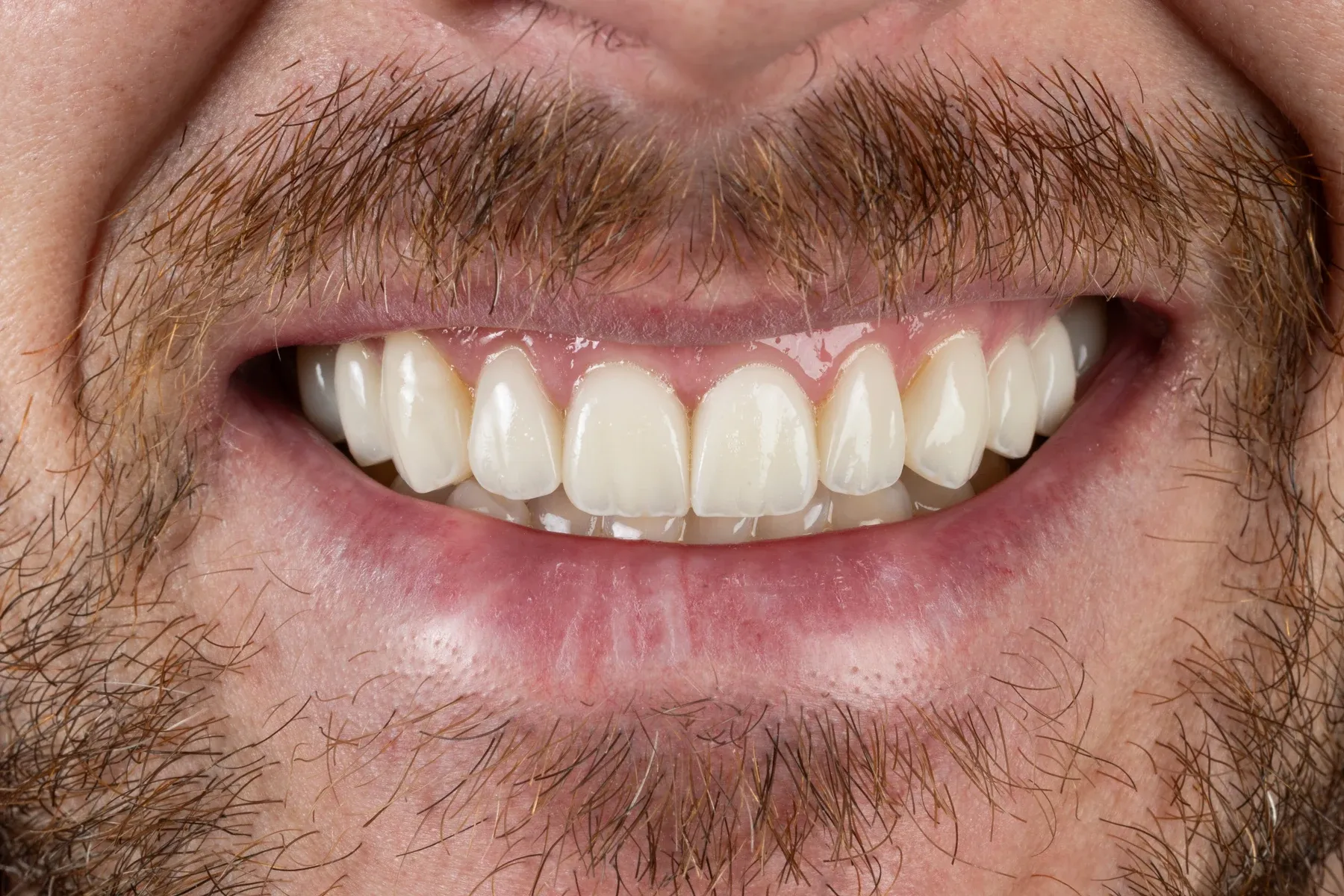
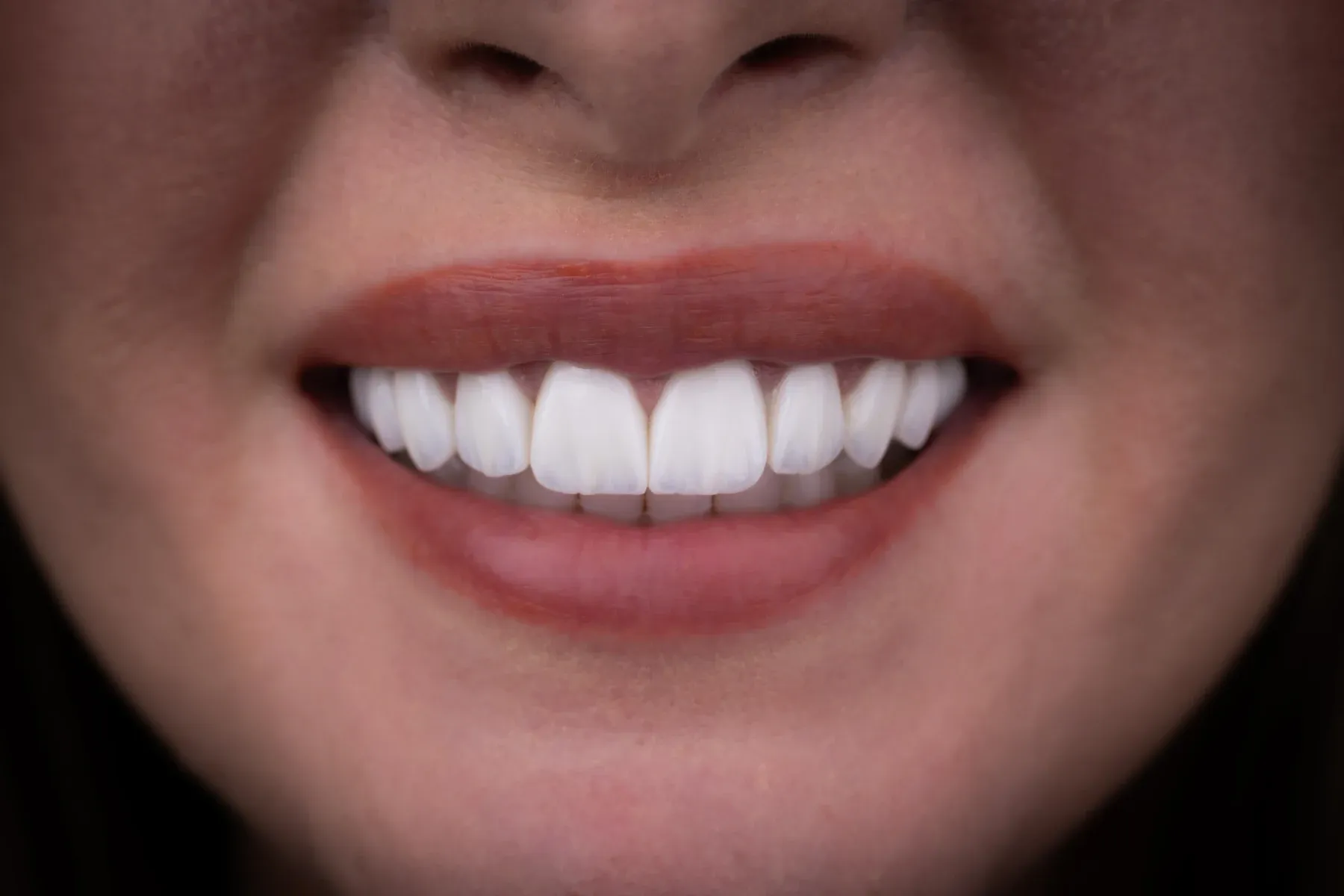
Vivid Smiles Dentistry serves patients across Parker, Douglas County, and the surrounding communities. Schedule a complimentary consultation online or call (303) 841-5313 to find out whether bone grafting is the right next step for you.
Complete and submit the virtual consultation form on this page.
After sending your request, we'll reach out to confirm it's been received.
Dr. Richardson will review your information and record a personalized video reviewing your smile, answering your questions, and discussing treatment options.
If you choose to move forward, our team will work with you to take the next steps toward your dream smile.
Dr. Bryce Richardson combines CBCT-guided planning with 600-plus hours of advanced surgical training to deliver bone grafting outcomes built to support implants for the long term.