Implant Dentistry · Parker, CO
Sinus Lift Procedure in Parker, Colorado
A sinus lift (sinus augmentation) adds bone to the upper jaw, so dental implants have enough height to anchor securely. When upper back teeth are lost, the jawbone recedes, and the sinus expands downward, leaving insufficient bone for a stable implant. Here is who needs a sinus lift, how the procedure works, and what recovery looks like at Vivid Smiles in Parker, CO.

At a glance
4–6 mo
Bone Integration
95%+
Success Rate
2–3 days
Return to Work
600+ hrs
Surgical Training
Why Vivid Smiles
Why Choose Vivid Smiles for Your Sinus Lift in Parker, CO
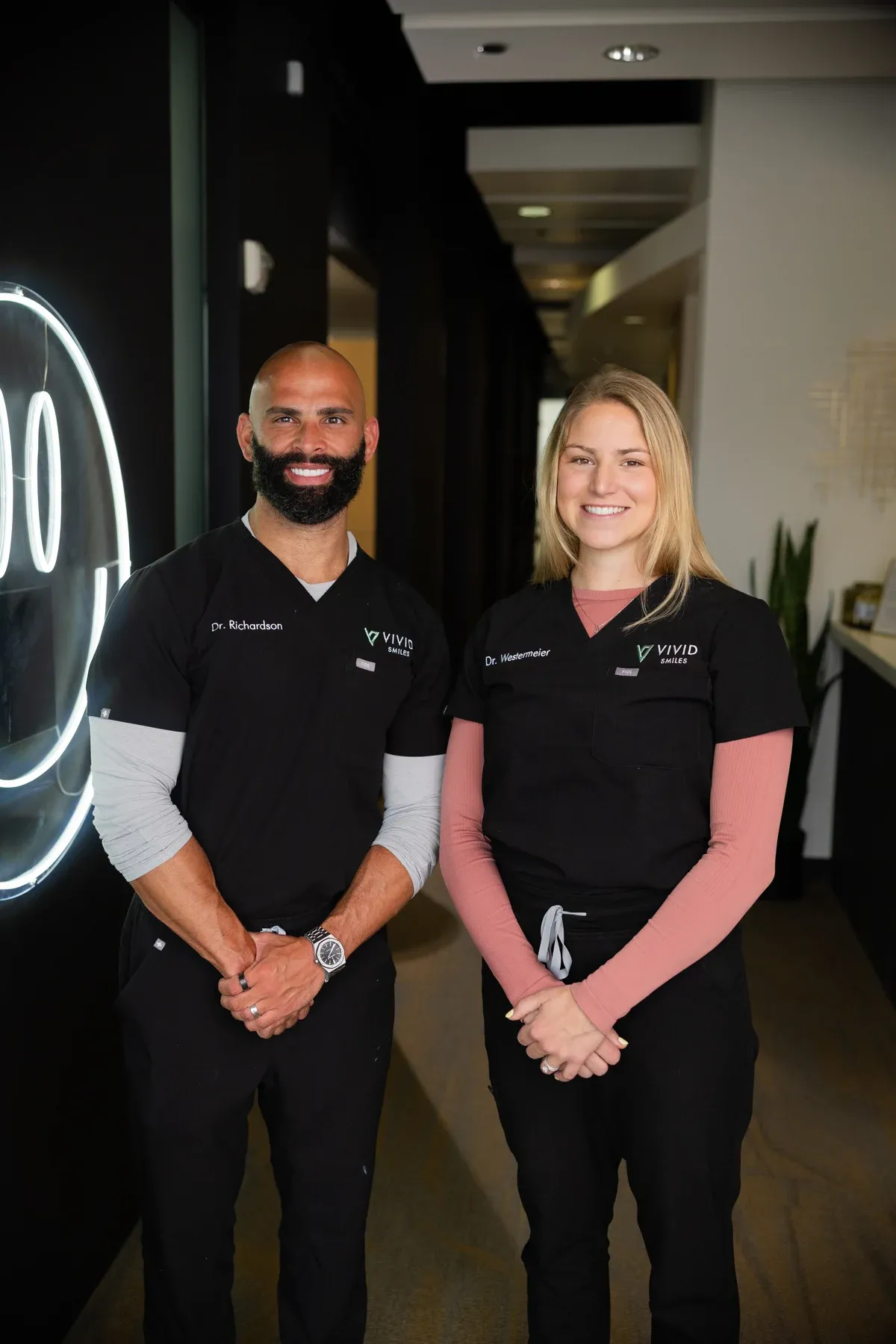
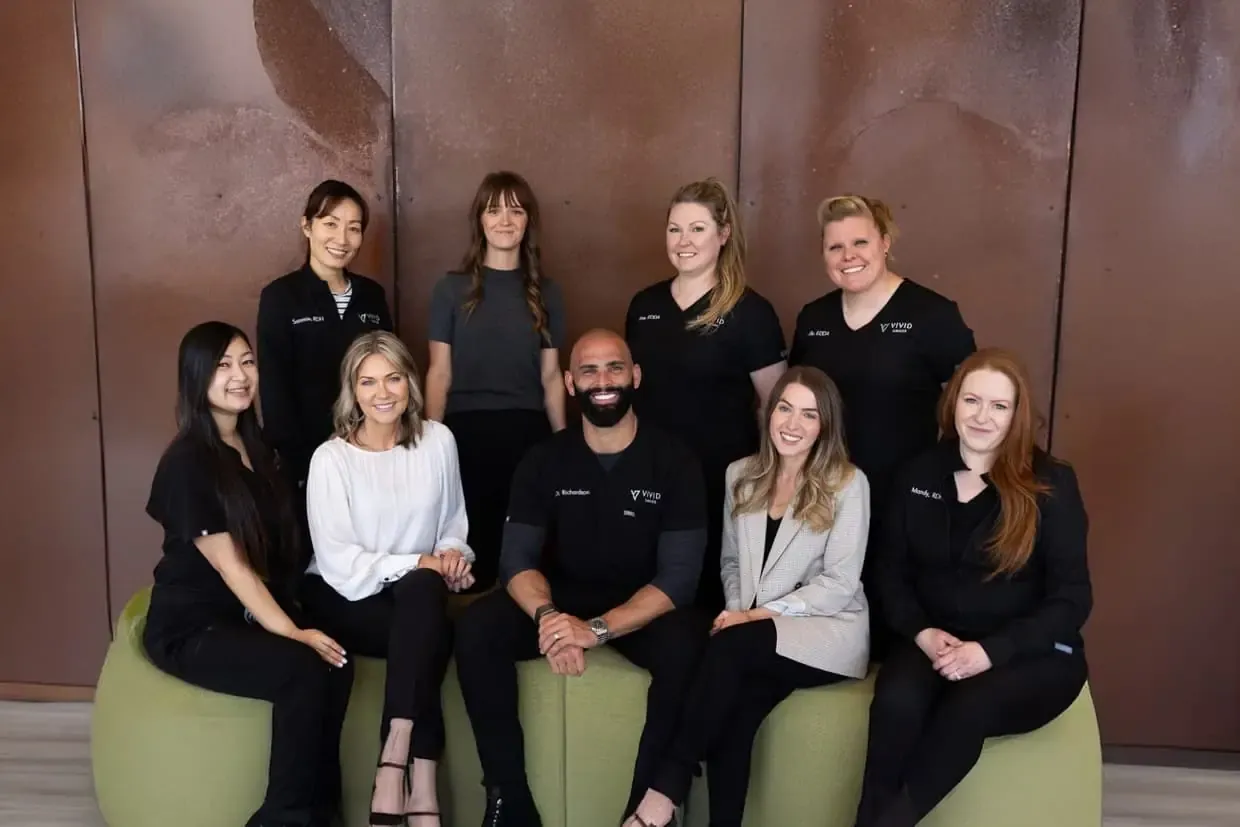
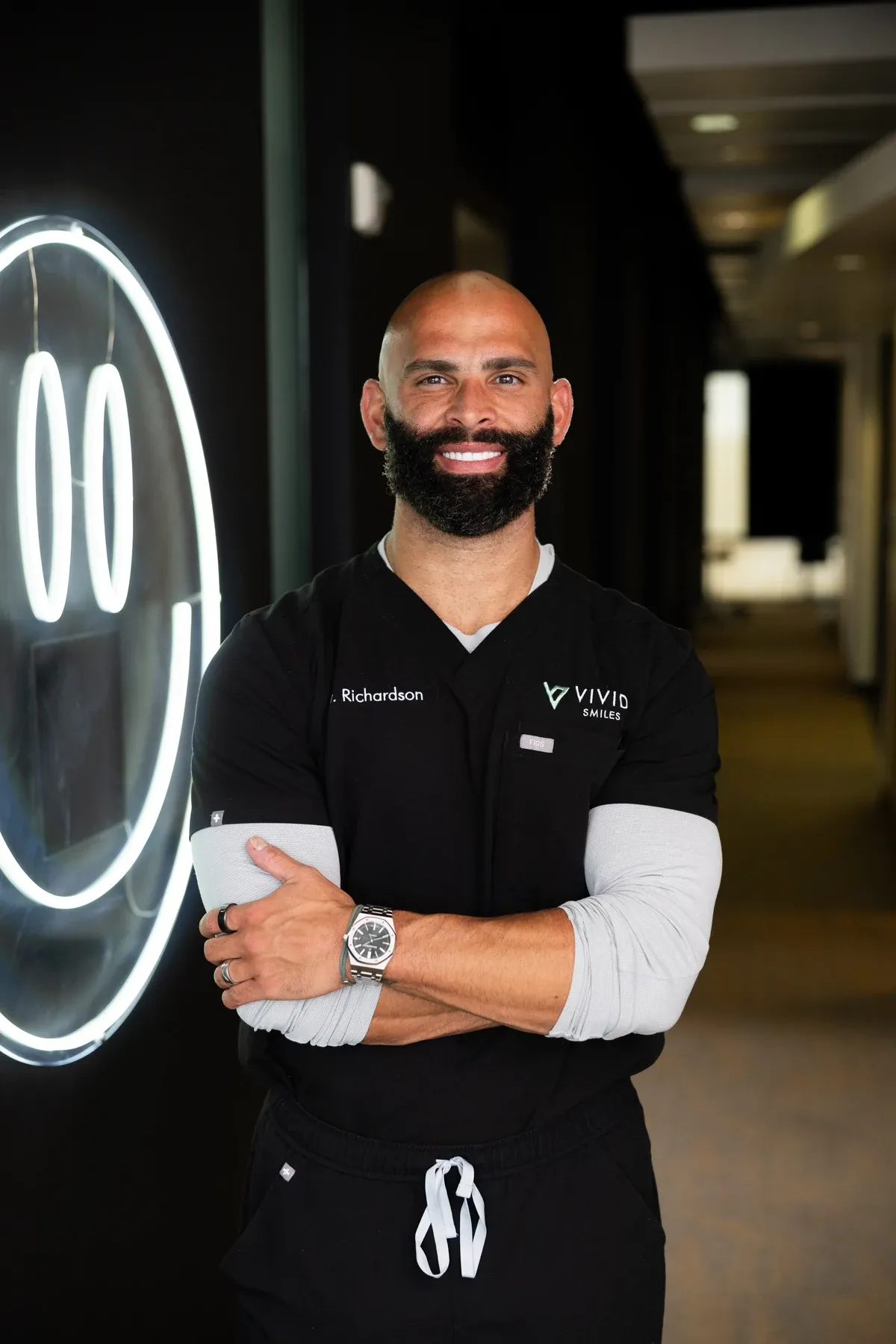
Dr. Bryce Richardson holds 600-plus hours of advanced surgical training, including a staff role at Implant Pathway, one of the country's most respected implant programs. With 300+ five-star Google reviews, CBCT imaging, digital planning, and robotic implant placement all in one Parker practice, Vivid Smiles delivers national-level training close to home.
600+ hrs
Advanced Surgical Training
300+
Five-Star Google Reviews
Implant Pathway
Clinical Staff Role
Definition
What Is a Sinus Lift?
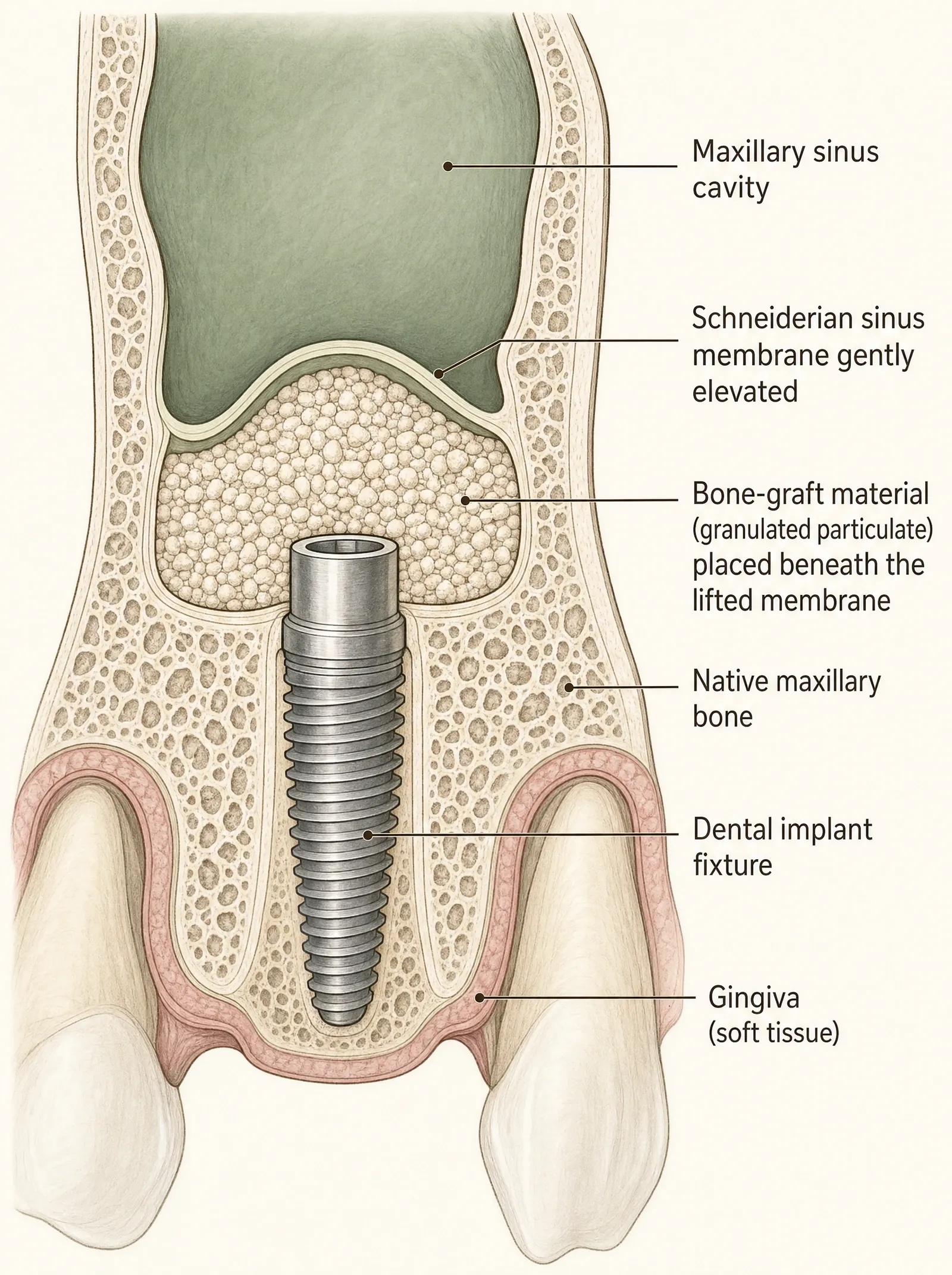
A sinus lift builds bone between the upper jaw and the maxillary sinuses (air cavities above your upper back teeth) to create the height dental implants require. When teeth are lost, the jawbone shrinks and the sinus floor drops, narrowing the space where an implant needs solid support. It is a specialized form of bone grafting, focused on the upper molar region.
Common Causes
Why You Might Need a Sinus Lift for Dental Implants
Upper back tooth loss is the most common reason patients need a sinus lift, but periodontal disease, long-term denture wear, or naturally thin sinus anatomy can create the same problem. CBCT imaging measures the exact bone shortfall before treatment begins, so there are no surprises.
Periodontal disease
Long-term denture wear
Naturally thin sinus anatomy
The Procedure
The Sinus Lift Procedure: What to Expect
Dr. Richardson reviews each patient's CBCT scan and customizes the surgical plan before the procedure begins.
Step One
01
Anesthesia
Local anesthesia is standard; sedation is available for patients who prefer a relaxed experience.
Step Two
02
Incision and access
A small gum incision exposes the bone above the sinus, and the sinus membrane is gently lifted to create space beneath it.
Step Three
03
Bone graft placement
Graft material (synthetic, bovine, or the patient's own bone) is packed into the space beneath the membrane.
Step Four
04
Closure and healing
Sutures close the incision; bone integration takes 4 to 6 months before implants are placed. Simultaneous implant placement is possible when adequate existing bone is present.
Recovery and Aftercare. Most patients return to work within 2 to 3 days,
with mild swelling managed by prescribed medication. The critical post-operative instruction:
do not blow your nose or sneeze forcefully for two weeks.
Alternatives
Alternatives to Sinus Lifts
Each alternative involves trade-offs in stability or longevity.
Short implants
Can work in thinner bone, but long-term success rates are lower than standard implants in fully grafted bone.
Zygomatic implants
Anchor in the cheekbone rather than the jawbone; reserved for severe bone loss requiring specialized surgical training.
Removable dentures
No surgery required, but chewing stability and long-term function are significantly lower than implant-supported restorations.
No commitment · Personal video reply
Technology
Advanced Technology for Predictable Outcomes
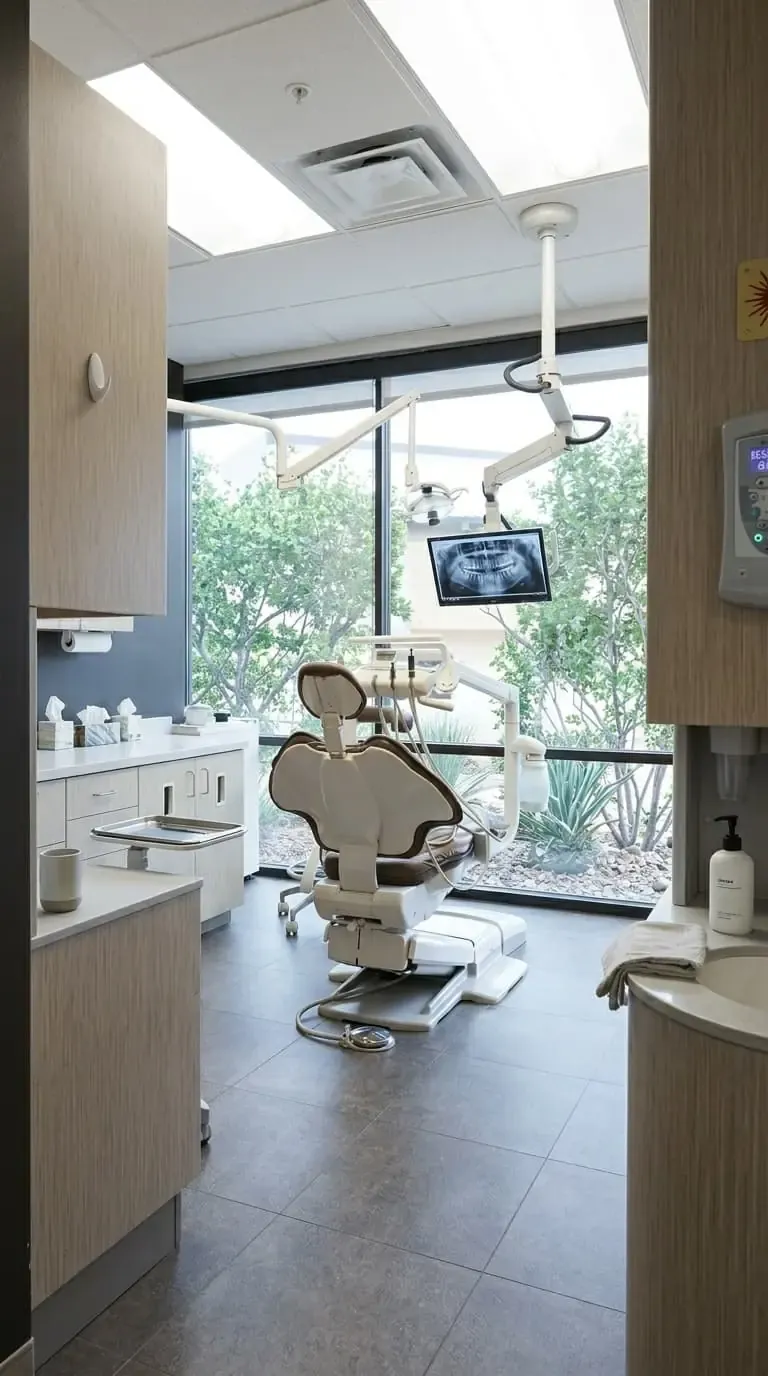
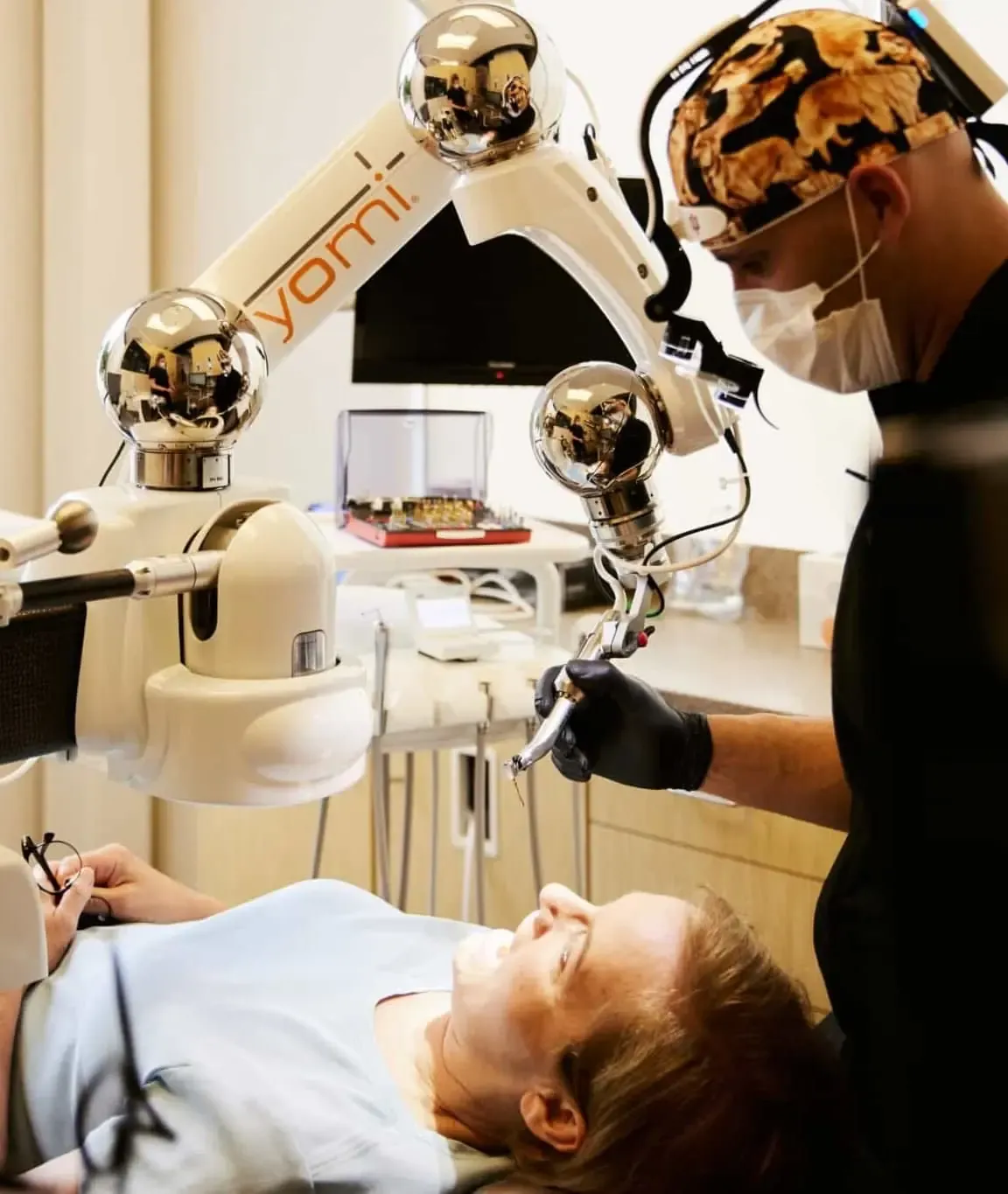
Precision before any incision — CBCT imaging, digital planning, and robotic
placement eliminate guesswork from the plan.
- 01 CBCT imaging — Gives Dr. Richardson a precise 3D map of bone height and sinus anatomy before any incision, measuring the exact graft volume needed and eliminating guesswork from the plan.
- 02 Digital planning — Converts that to precise surgical coordinates.
- 03 Robotic implant placement — Guides the final procedure to the pre-planned position.
Investment & Insurance
Sinus Lift Cost and Insurance Coverage
Sinus lift costs vary by case; Vivid Smiles provides an itemized breakdown after reviewing CBCT imaging at the consultation.
What affects your cost
- 01
Graft material
Synthetic, bovine, or autogenous (patient's own) bone each carries different costs.
- 02
Implant timing
Simultaneous placement, when anatomy permits, reduces total treatment cost.
- 03
Insurance coverage
Dental insurance may cover a portion when medically necessary; some medical plans also contribute when sinus pathology is documented.
Smile Gallery
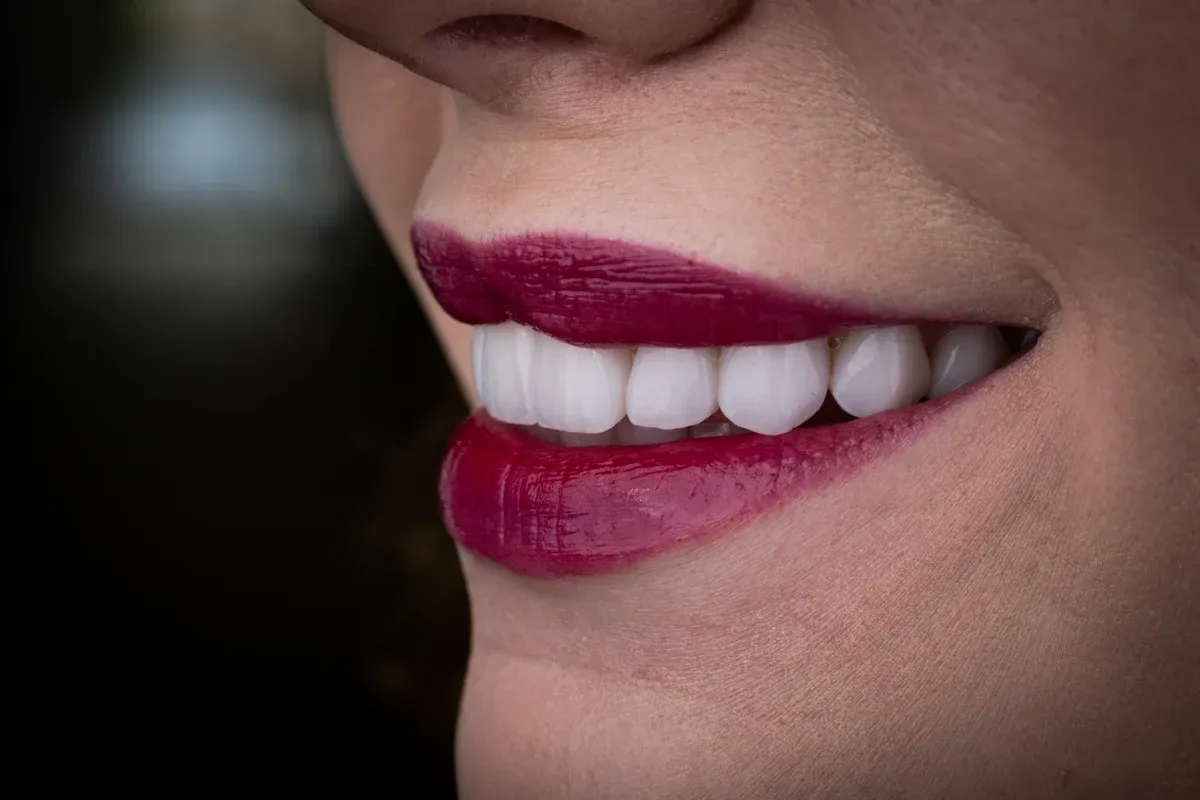
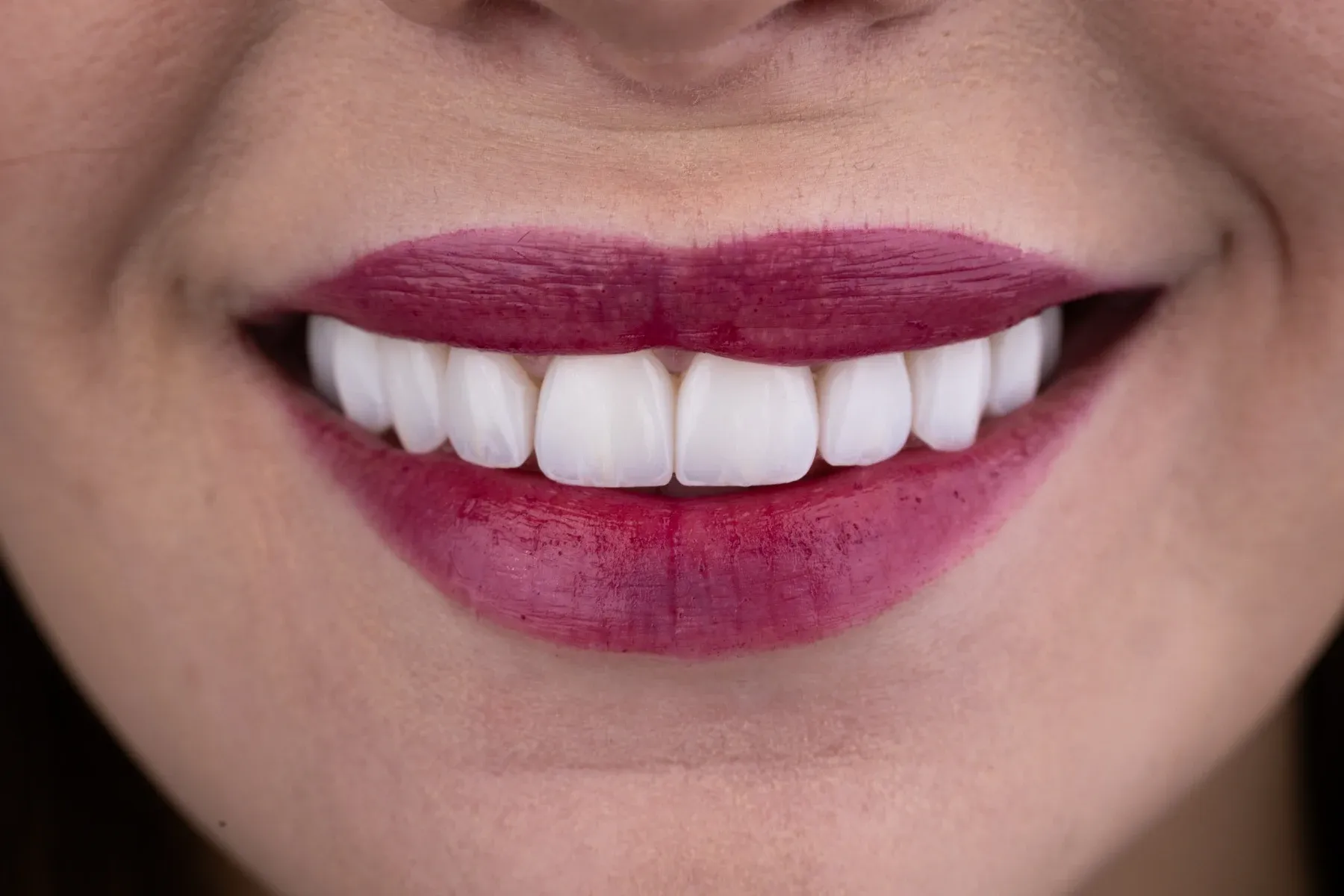
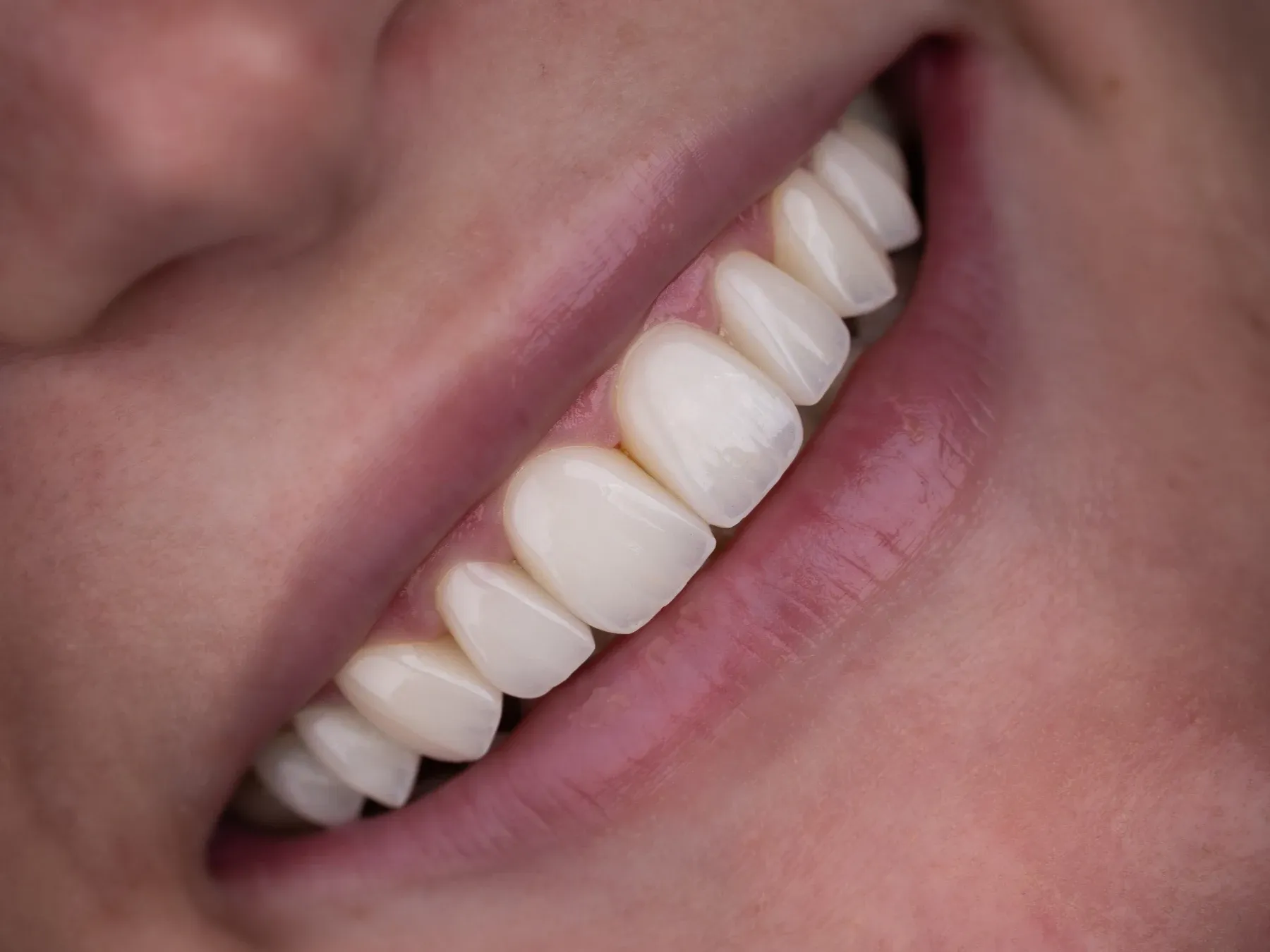
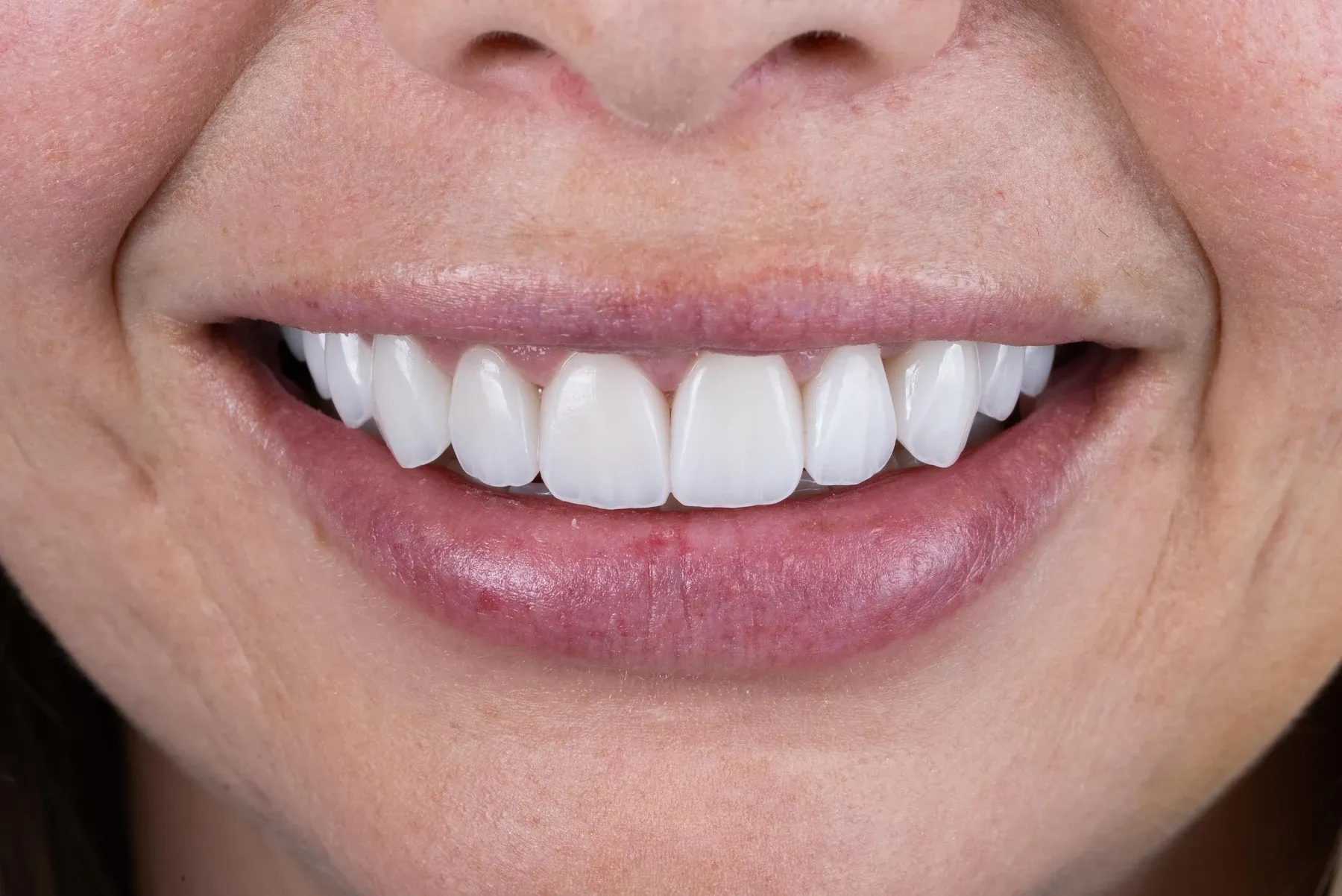
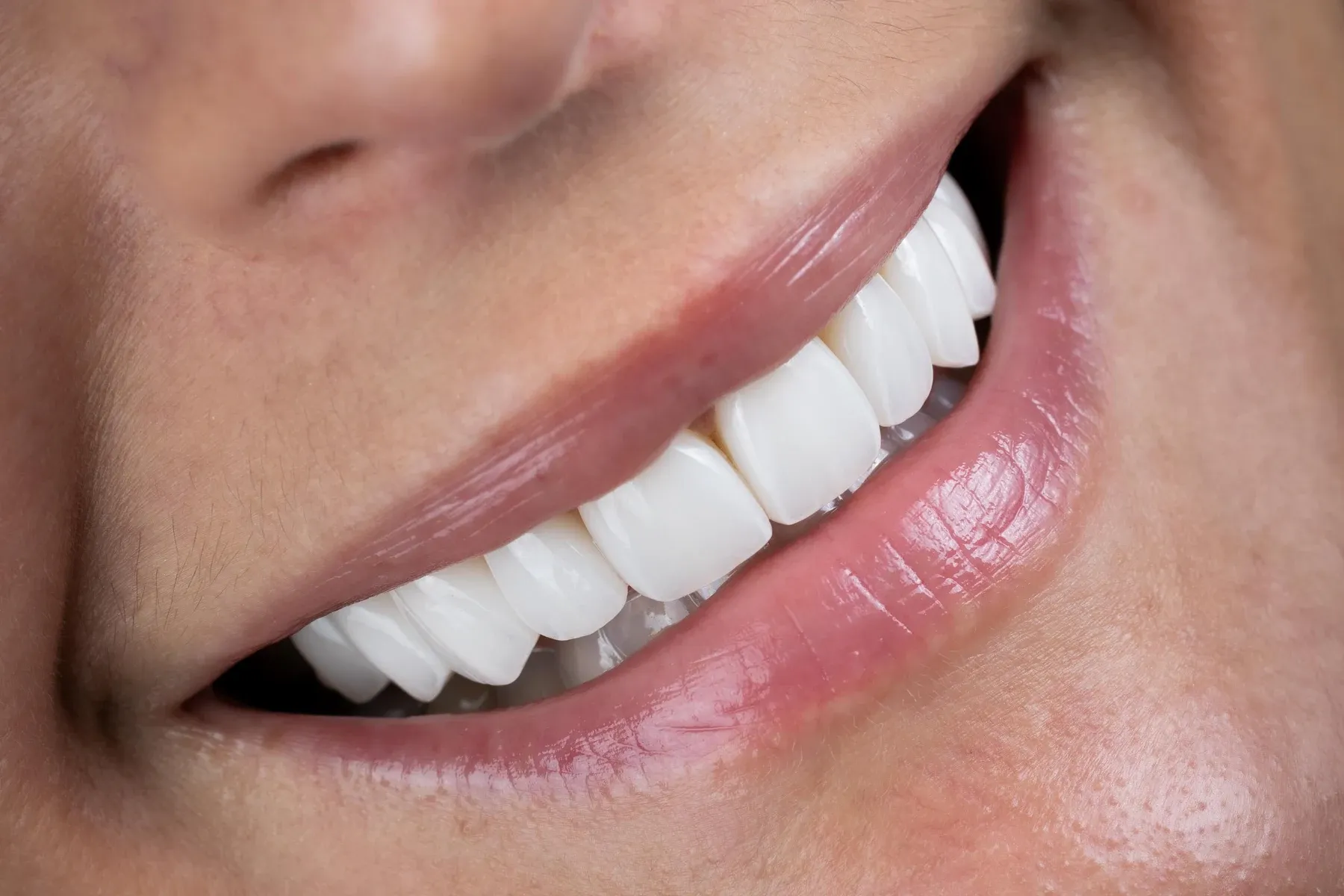
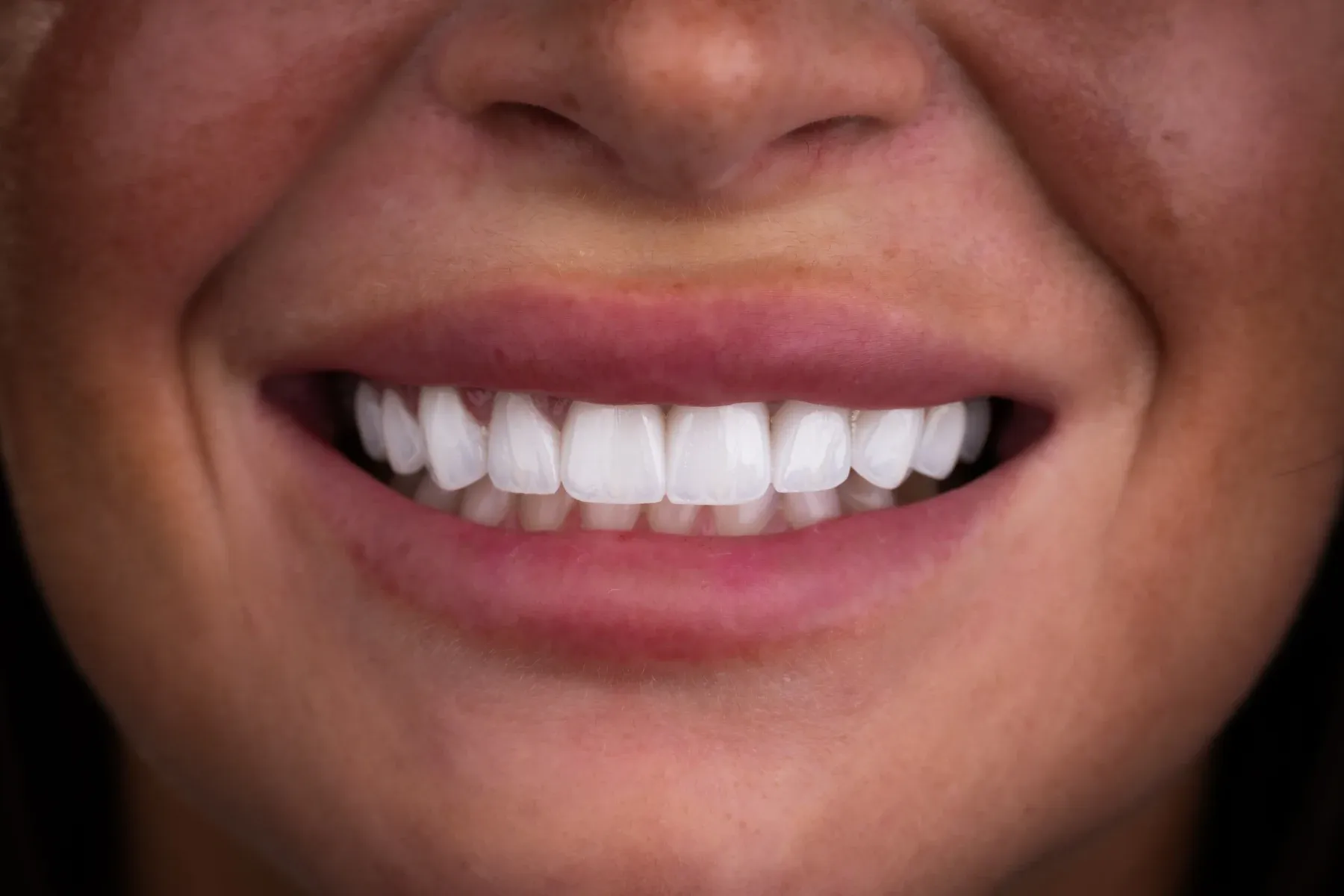
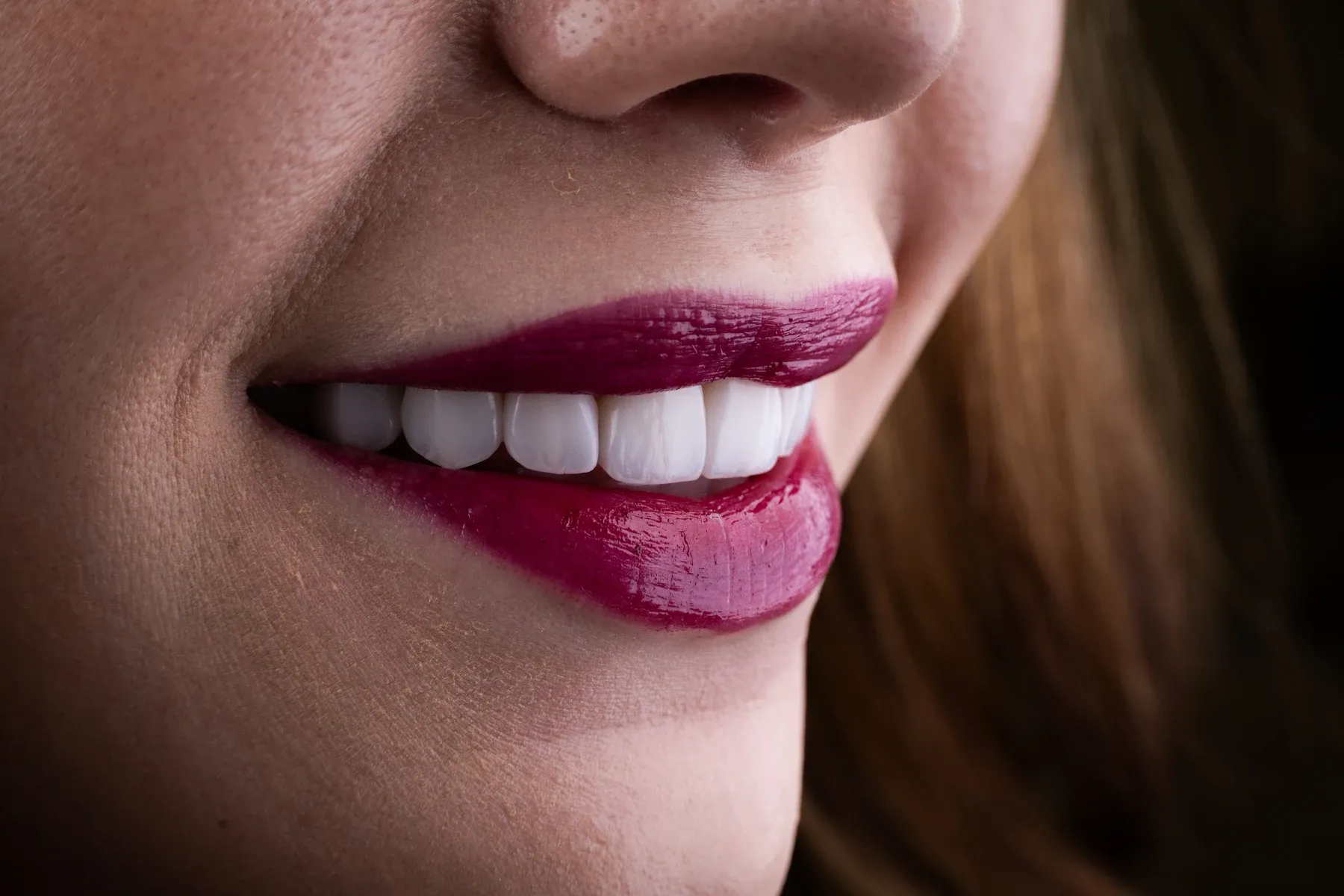
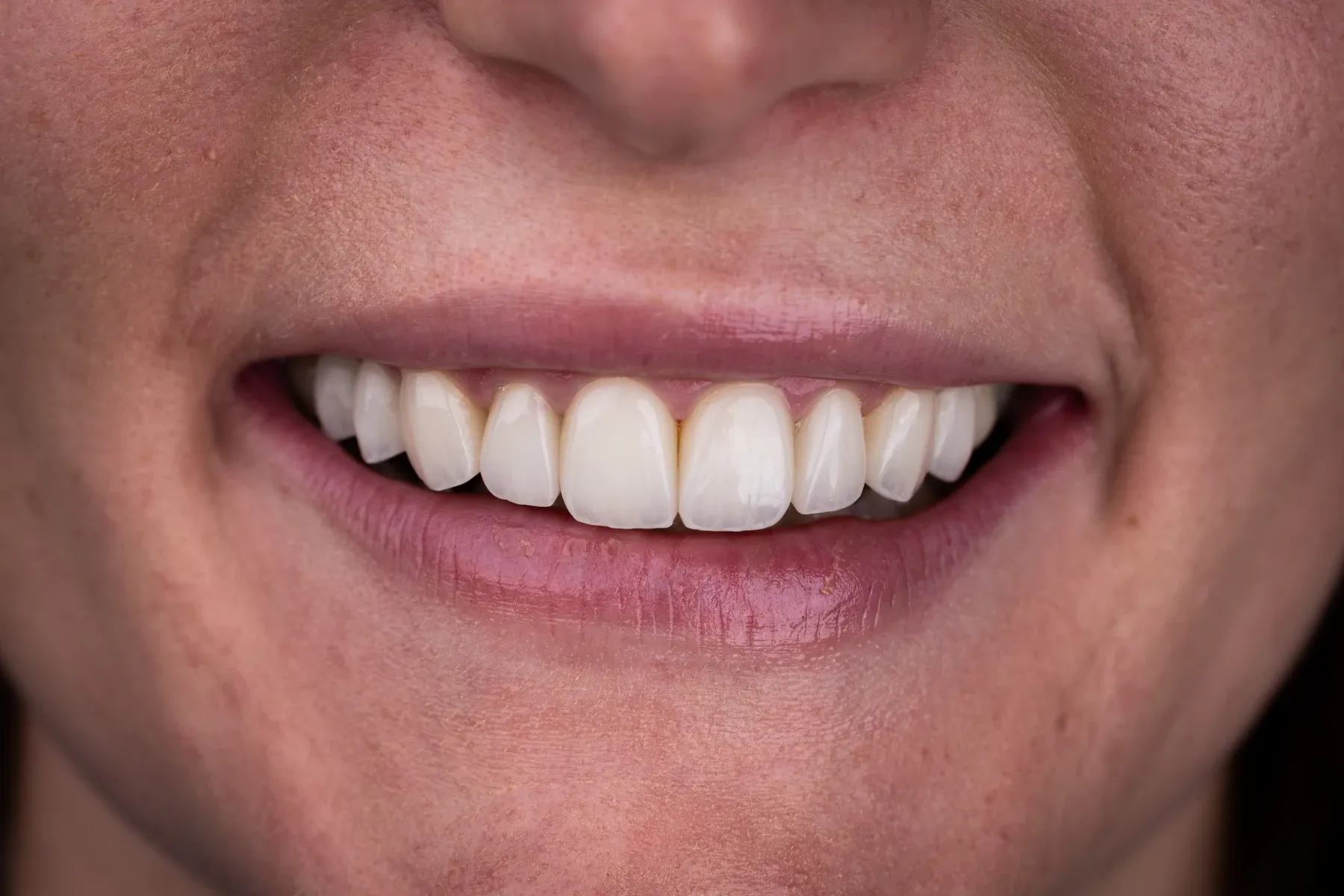
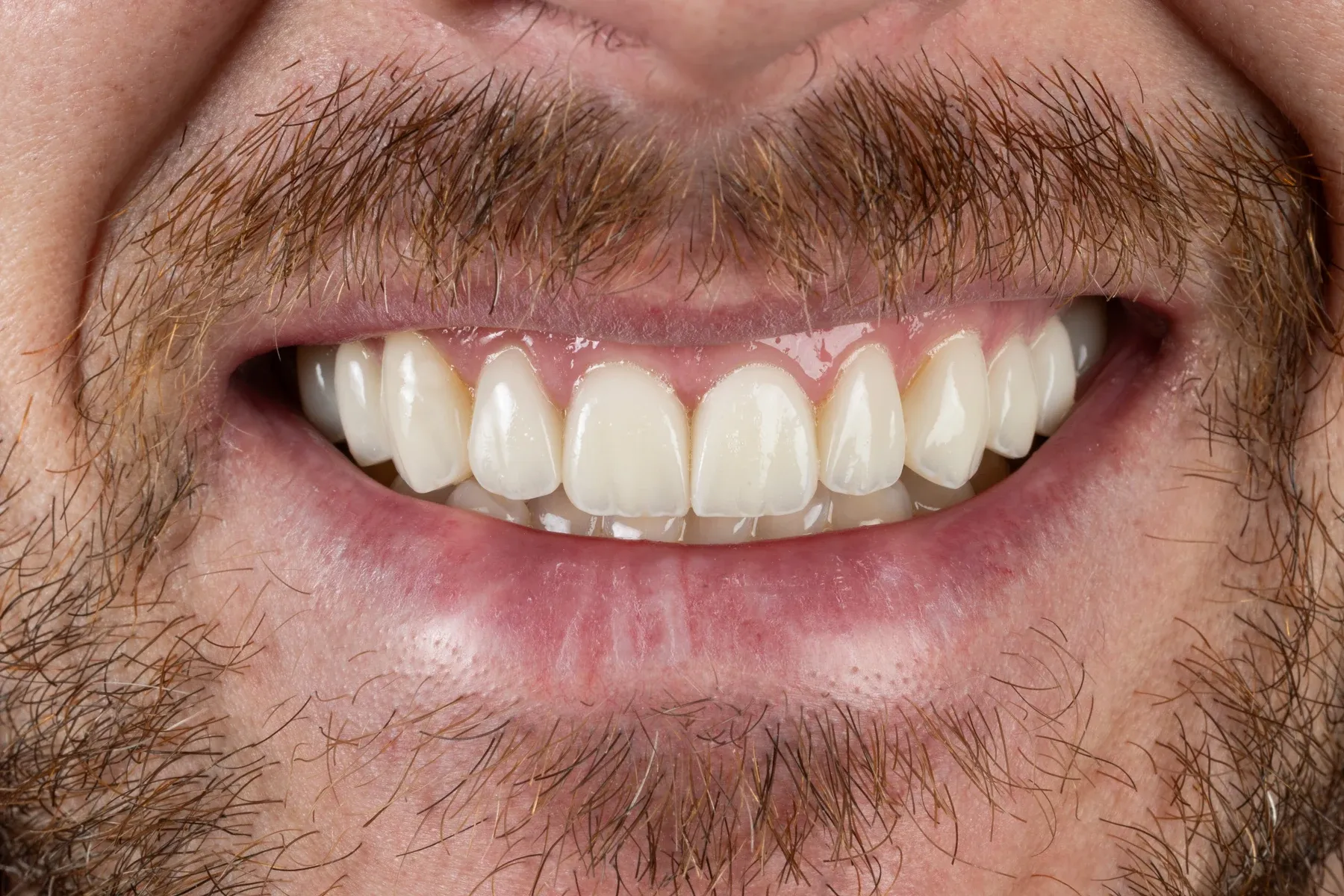
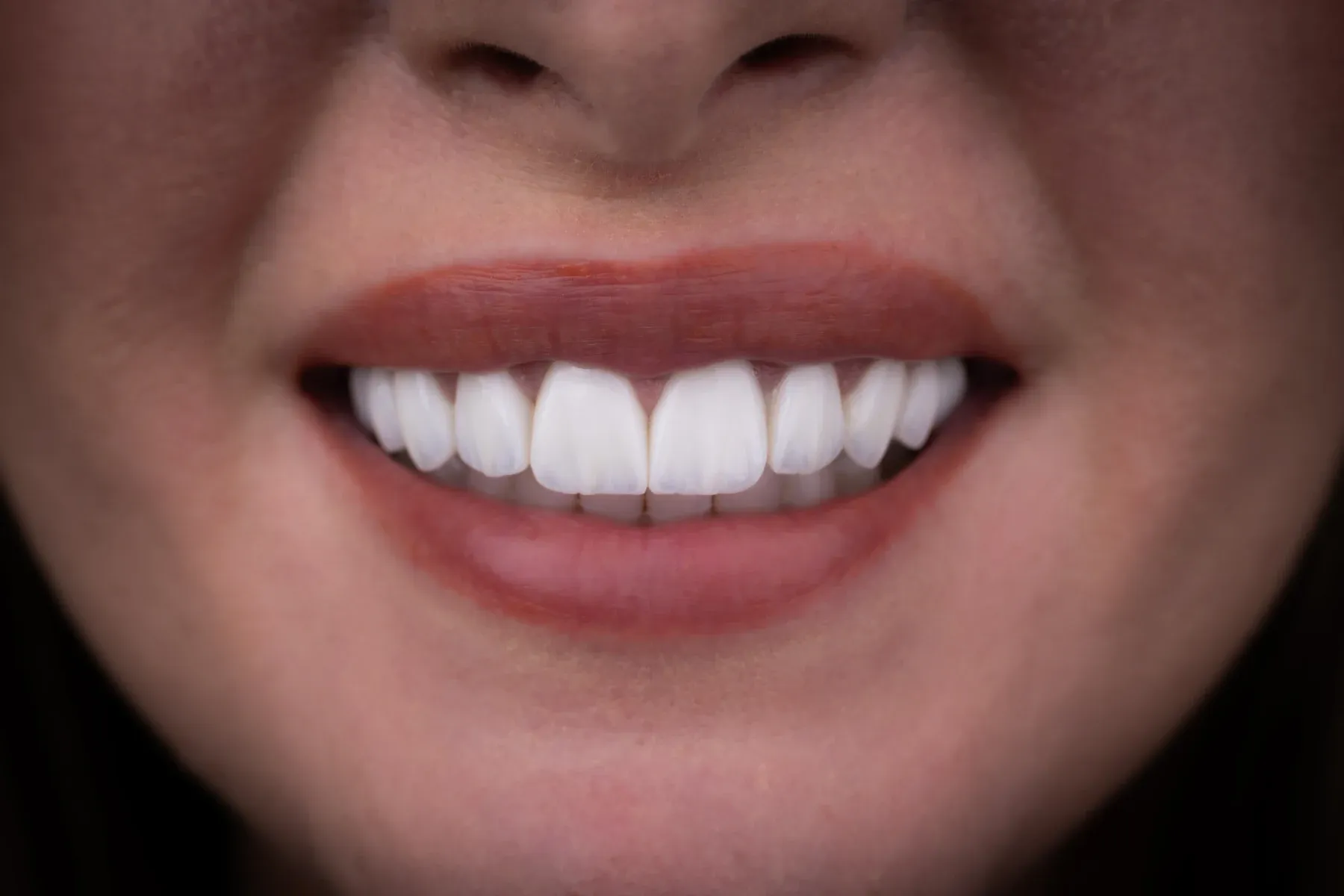
Finished smiles from our chair.
A selection of finished cosmetic and restorative work from across the practice, not sinus lift cases specifically.
FAQ
Frequently Asked Questions About Sinus Lifts
These answers address what patients most often ask before scheduling a sinus lift consultation.
How much does a sinus lift cost?
Costs vary based on graft material, sedation, and whether implants are placed at the same time. Vivid Smiles provides an itemized estimate after reviewing your CBCT scan.
What is the downside of a sinus lift?
The main downsides are the 4-to-6-month healing period before implant placement and a small risk of sinus membrane perforation. Precise 3D imaging and experienced technique reduce that risk substantially.
Is a sinus lift covered by insurance?
Dental insurance may cover a portion when documented as medically necessary for implant success. Some medical plans also contribute when sinus pathology is present.
How often do sinus lifts fail?
Published success rates consistently exceed 95% when performed by trained surgeons using appropriate graft material. Patient compliance is the other key variable.
How long does a sinus lift take to heal?
Full bone integration takes 4 to 6 months. Patients with adequate existing bone may qualify for simultaneous implant placement, condensing the timeline.
A sinus lift is a reliable first step for upper-jaw implant patients with insufficient bone. Understanding the procedure and timeline before your appointment makes the planning conversation more productive.
Complimentary sinus lift consultation
Complimentary sinus lift consultation.
Curious whether a sinus lift is the right next step toward upper-jaw implants? Skip the office visit — Dr. Richardson personally records a custom video reviewing your case, your candidacy, and what's possible at Vivid Smiles Dentistry, all from photos you submit below.
1
Fill Out Our Form
Complete and submit the virtual consultation form on this page.
2
We'll Reach Out To Confirm
After sending your request, we'll reach out to confirm it's been received.
3
Receive Your Custom Video
Dr. Richardson will review your information and record a personalized video reviewing your smile, answering your questions, and discussing treatment options.
4
We Discuss Next Steps
If you choose to move forward, our team will work with you to take the next steps toward your dream smile.
Prefer to book directly?
Vivid Smiles Dentistry in Parker, CO, pairs Dr. Richardson's surgical training with CBCT imaging and robotic implant placement. Call (303) 841-5313 or book a complimentary consultation to start with a 3D scan and a personalized plan.