
The main types of dental veneers are porcelain, composite resin, and minimal-prep (low or no enamel removal) options like Lumineers. The best choice depends on the amount of tooth structure available, what you want to fix, and whether you’re ready for a permanent change. This guide walks through each type, how they compare, and what to expect before treatment begins.
The 4 Main Types of Veneers (And the Problem Each One Solves)
The ideal veneer type depends on your problem, not a universal ranking.
Porcelain: $1,000 to $2,500 per tooth. Best for staining, chips, shape, and size correction. Minimal to moderate enamel removal. Lasts 15 to 20 years.
Composite resin: $250 to $1,500 per tooth. Best for minor chips and budget-conscious cases. Little to no enamel removal. Lasts 5 to 7 years.
No-prep (Lumineers-style): $800 to $2,000 per tooth. Best for mild discoloration and slight gaps. No enamel removal. Lasts 10 to 20 years.
Snap-on (removable): $300 to $900 per tooth. Temporary coverage only. No enamel removal. Lasts 1 to 5 years.
Porcelain handles the widest range of problems, from professional teeth whitening that never worked to significant shape correction. Composite costs less but wears faster. No-prep works when existing tooth structure allows it. Snap-on is temporary by design.
At Vivid Smiles, matching veneer type to tooth structure starts with a facial case preview, not a default protocol. See the full range of cosmetic dentistry services in Parker, CO.
Porcelain vs. Composite vs. No-Prep: What Differs
Choosing the wrong type wastes money or removes enamel you didn’t need to lose.
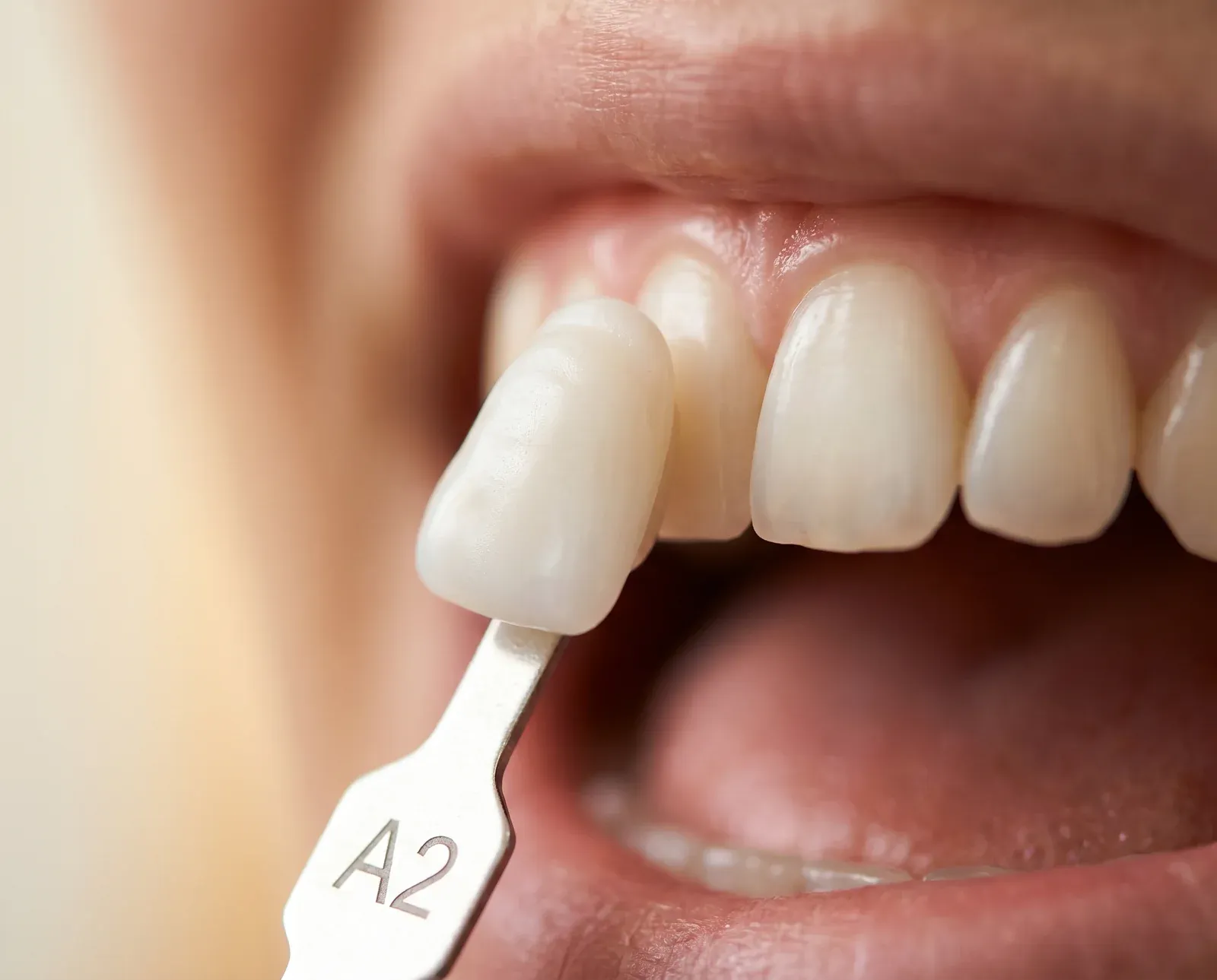
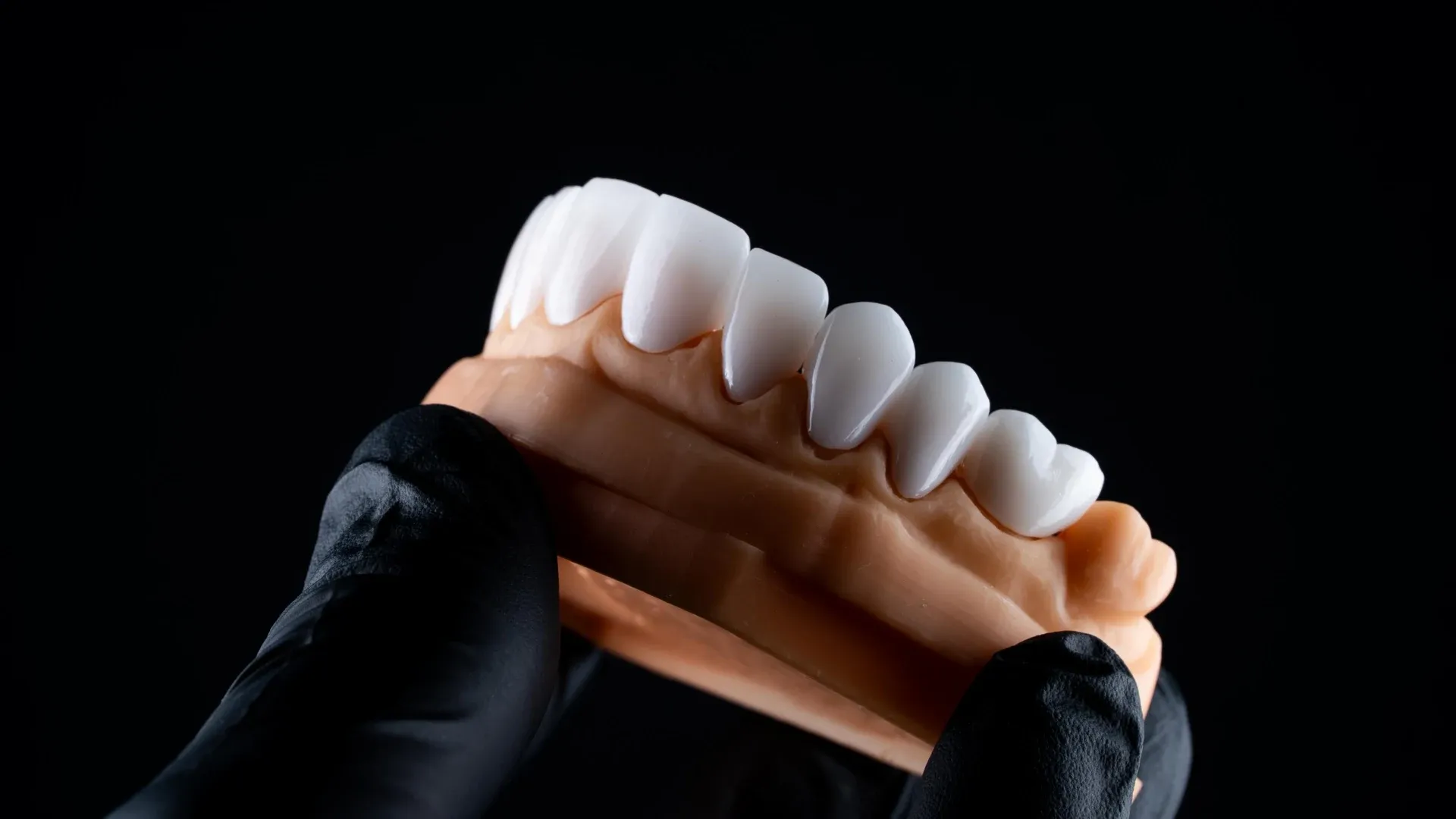
Porcelain: Custom-milled at a specialist lab, which produces the translucency and margin quality that make results look genuine. Best for staining, shape changes, or size correction. Not reversible. Disqualifier: active grinding without a nightguard.
Composite resin: Applied in-office and shaped by hand. Works for minor chips and budget cases, but needs polishing every 1 to 2 years to maintain its surface finish, and most composite veneers show wear after five years. Disqualifier: heavy bite pressure.
No-prep (minimal enamel removal): No drilling for ideal candidates, and works when existing tooth size allows the added thickness without looking bulky. Disqualifier: teeth already prominent in profile.
At Vivid Smiles, porcelain veneers are previewed facially before prep begins, and the protocol, minimal or traditional, is decided by your tooth structure.
What Makes Someone a Good (or Poor) Candidate
Most people who want veneers are good candidates, but a few conditions need to be resolved first.
Active gum disease, untreated tooth decay, and severe misalignment (teeth that are crooked or crowded) all need attention before veneers go on. These aren’t permanent disqualifiers. They’re first steps.
Bruxism (chronic grinding) puts extreme pressure on porcelain and shortens its lifespan, though a nightguard can often manage this well enough to keep veneers a realistic option. Sufficient enamel also matters, since veneers bond to enamel and won’t hold without enough of it.
A quick candidacy check before your consultation:
- Gum health: No active disease or uncontrolled bleeding
- Grinding: Managed or absent
- Tooth structure: Enough enamel to support bonding
- Alignment: Minor to moderate; severe cases may need orthodontics first
At Vivid Smiles, cases are previewed before treatment begins. You see the result before anything is permanent.
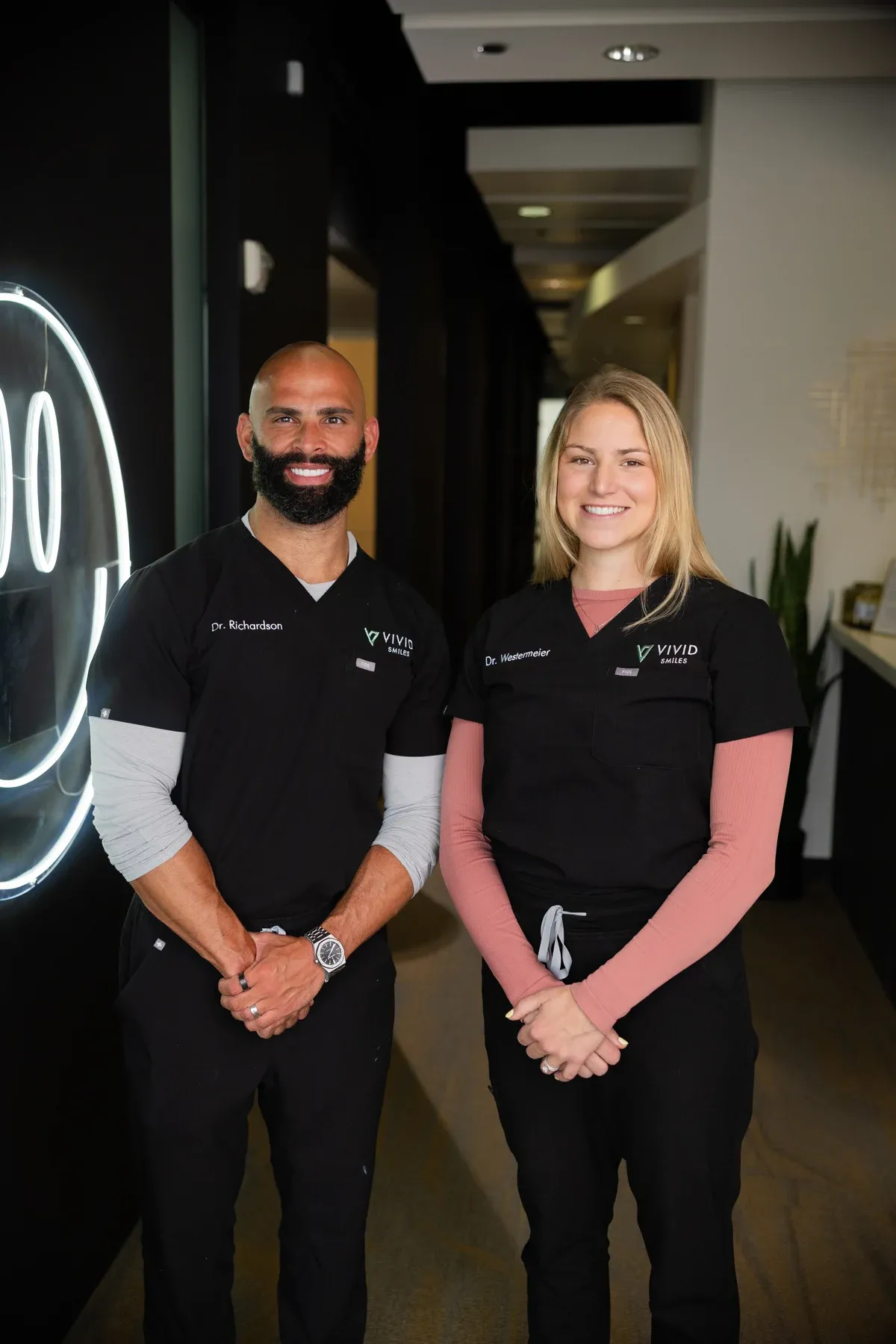
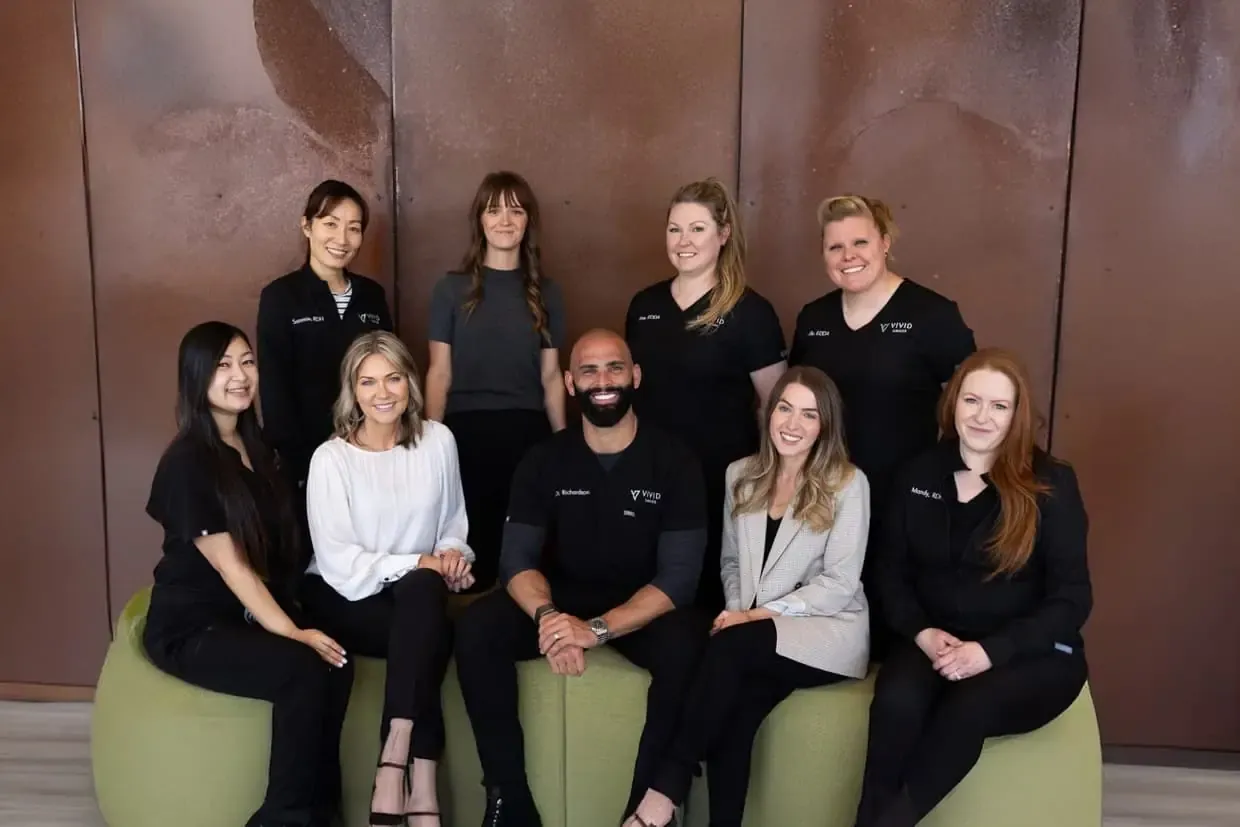
How Dr. Richardson Approaches Veneer Selection in Parker, CO
Dr. Richardson selects veneer type based on your facial anatomy, tooth structure, and the problem you want solved, not a one-size-fits-all protocol.
Primary focus: Porcelain veneer cases make up the core of his cosmetic work, and that depth of repetition matters for margins and shade matching.
Facial case preview: Smile design is calibrated to your features, so you see the result first, with no commitment to anything permanent, sight unseen.
Specialist lab finish: Every restoration is completed at a specialist lab, which is what separates natural-looking veneers from ones that look placed.
Minimal-prep vs. traditional prep: The amount of enamel removed depends on your tooth structure. Dr. Richardson chooses the protocol that preserves the most tooth while achieving the planned result.
Frequently Asked Questions About Veneer Types
Which type of veneer looks most natural?
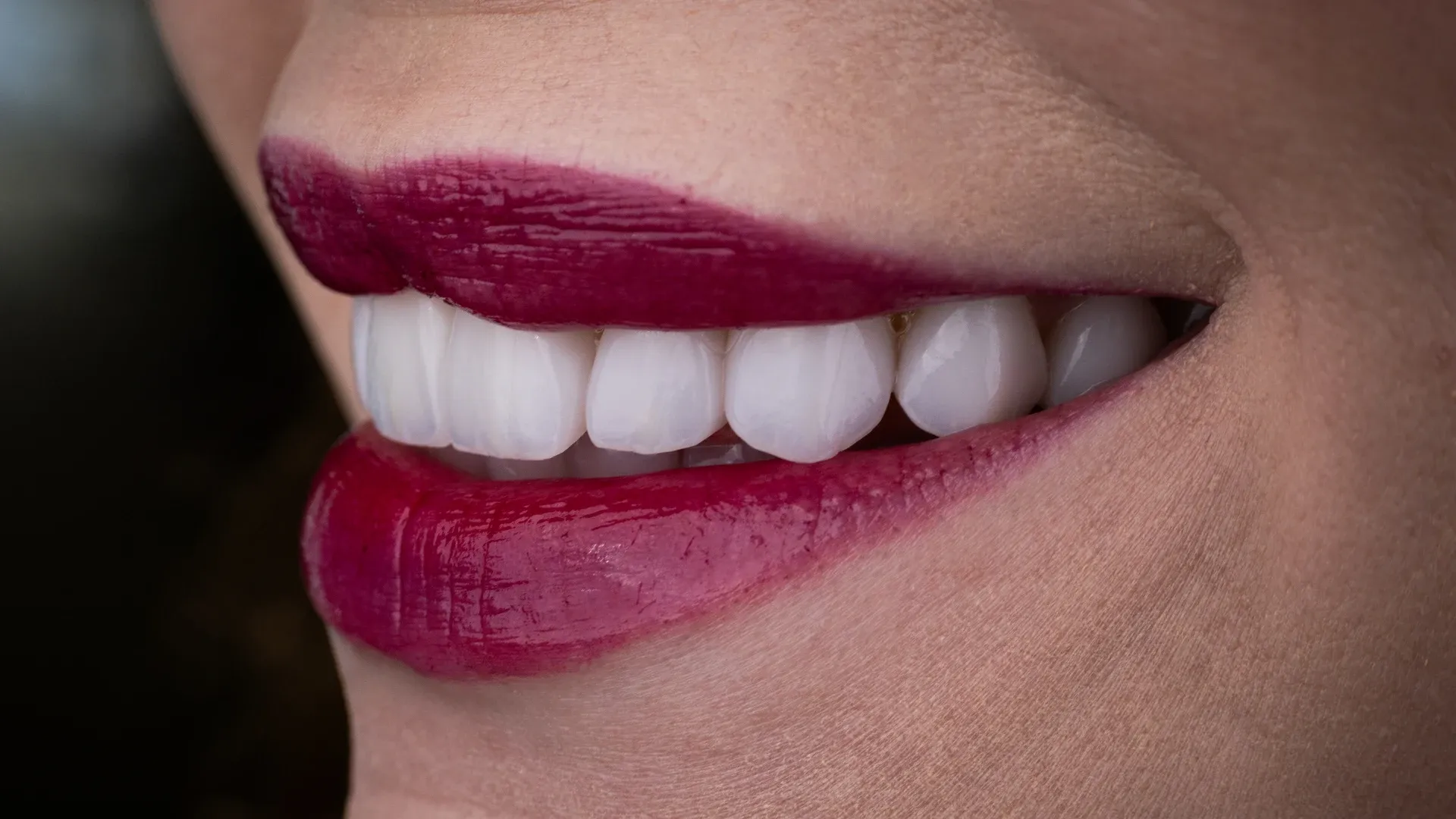
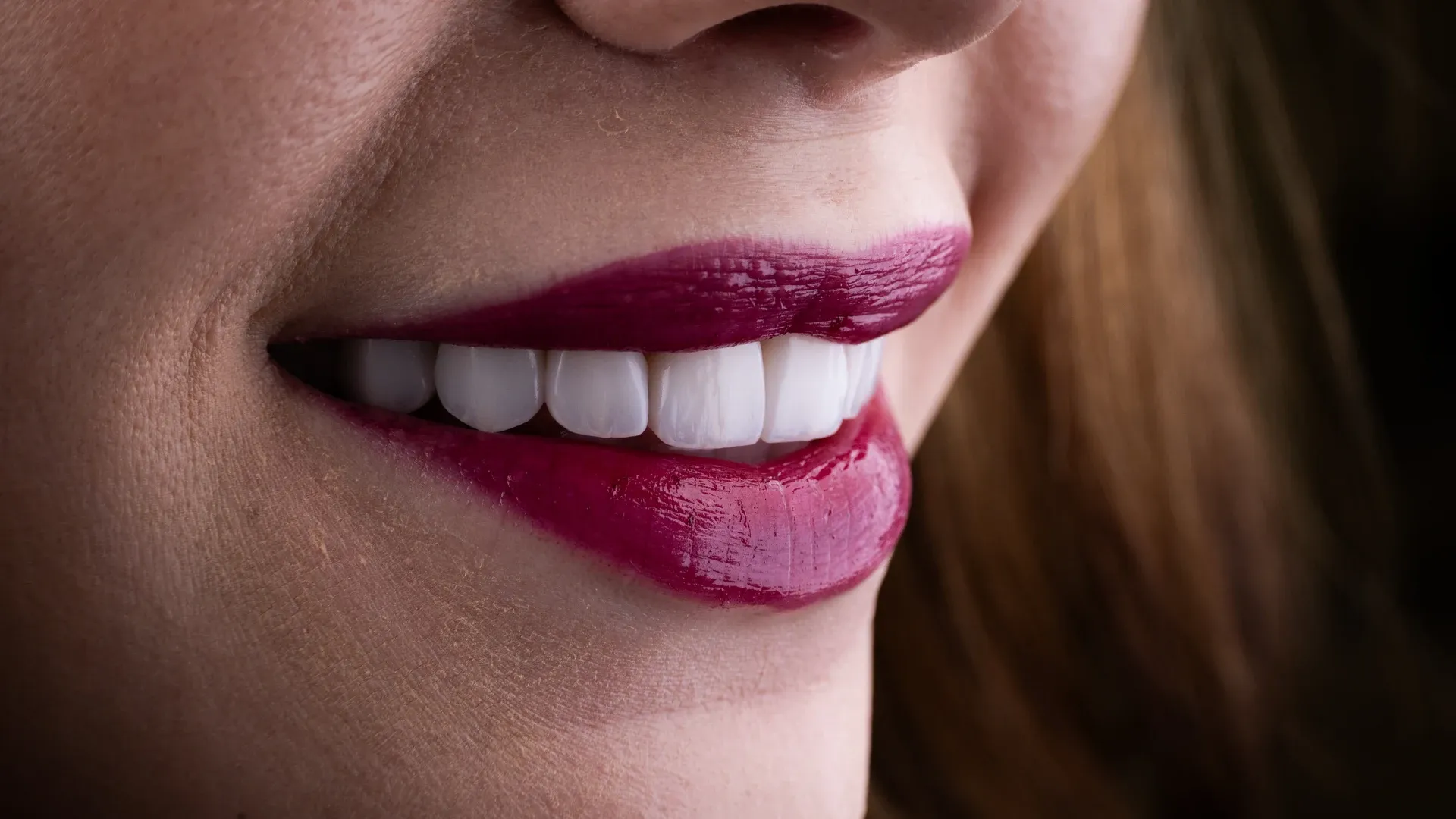
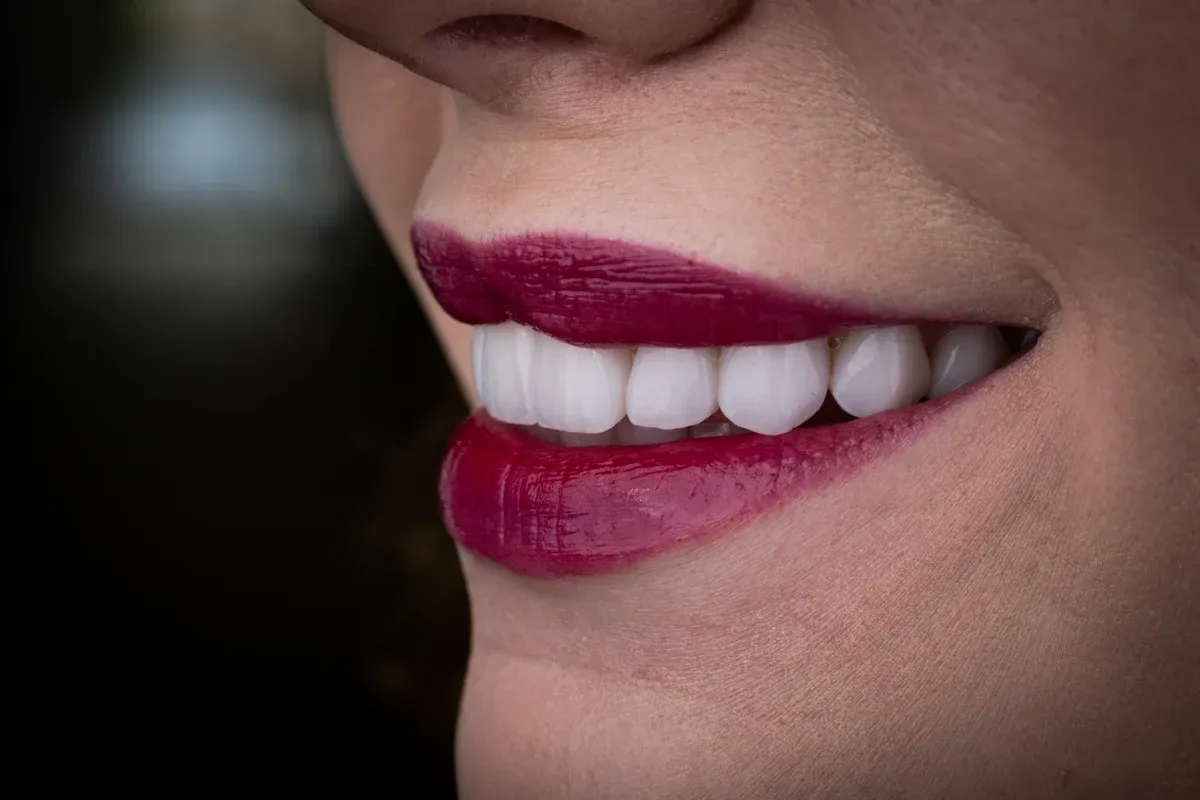
Porcelain reflects light the way genuine enamel does. A specialist lab custom-matches the translucency and shade to your surrounding teeth.
Are veneers permanent?
They’re not reversible once enamel has been removed, so the commitment is lifelong. A prepared tooth will always need coverage.
What veneers do celebrities get?
Most celebrity smile makeovers use porcelain veneers, often in a full-arch set for uniformity, with size and shape designed to suit the person’s face rather than a one-size-fits-all look.
Your Next Step Starts Here
Porcelain, composite, minimal-prep, and traditional prep veneers each suit a different smile problem and budget. The ideal choice depends on your tooth condition, how much enamel you have, and what your finished smile needs to look like.
Vivid Smiles Dentistry offers porcelain veneers with a facial case preview before treatment begins, so you see your result calibrated to your features. Call or book online at 17167 Cedar Gulch Pkwy, Suite 102, Parker, CO 80134, to schedule your consultation with Dr. Richardson.