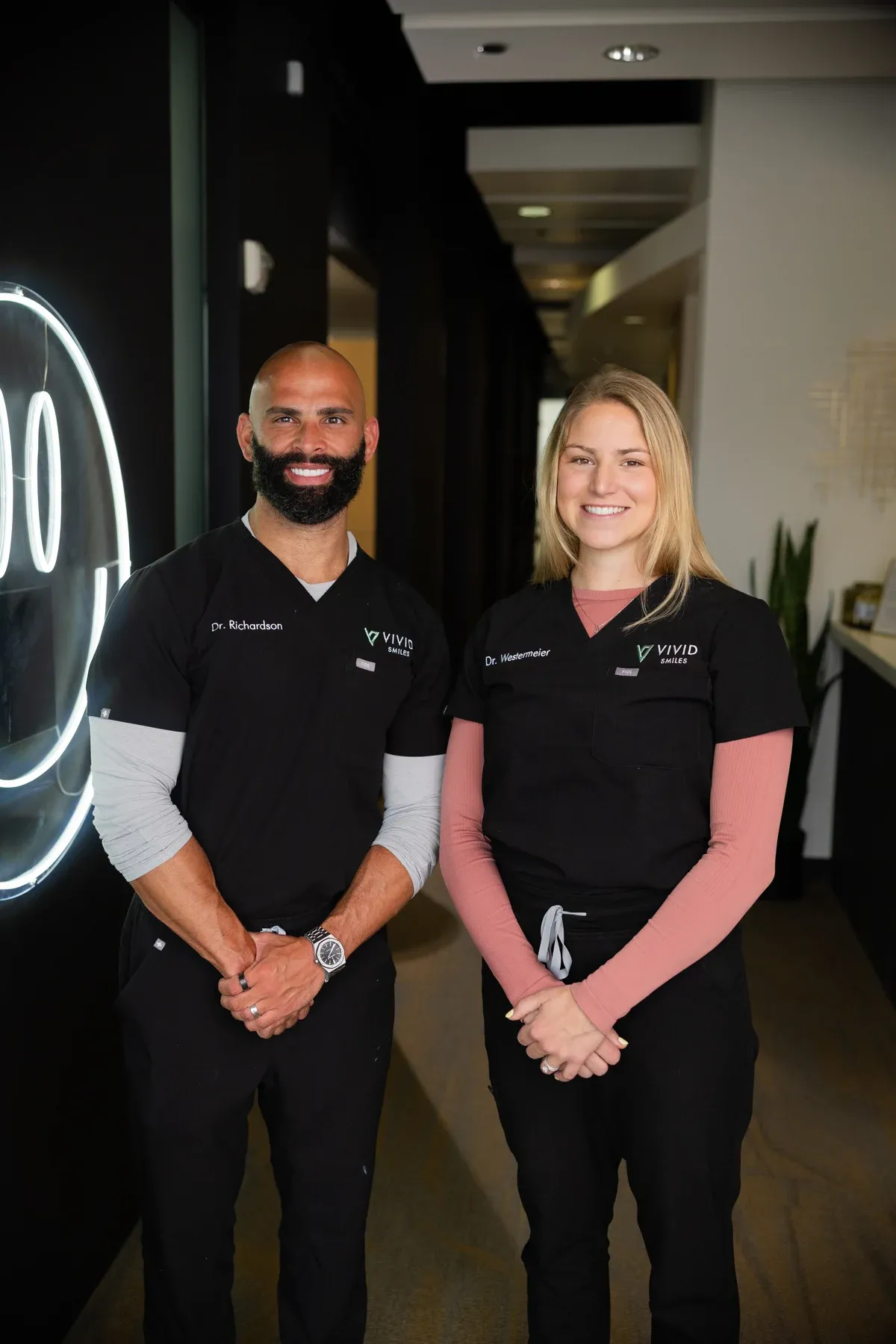
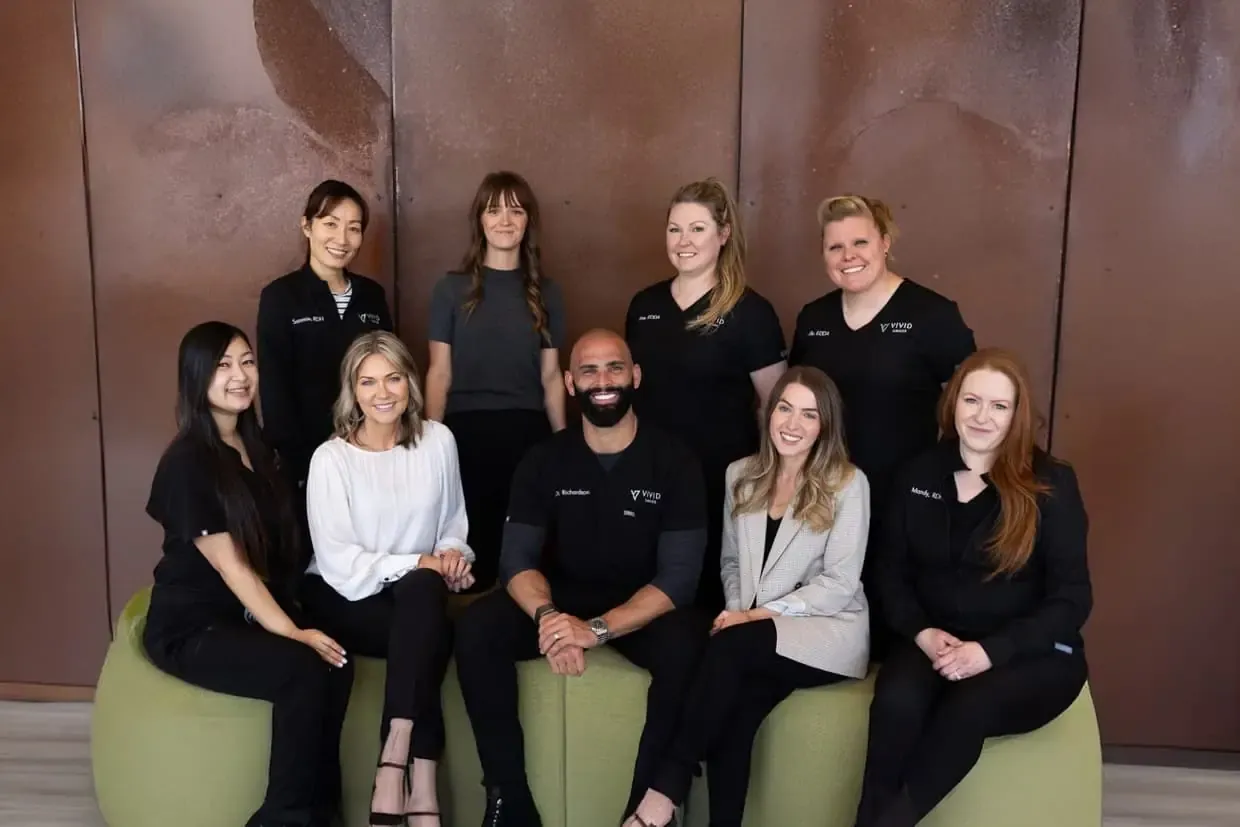
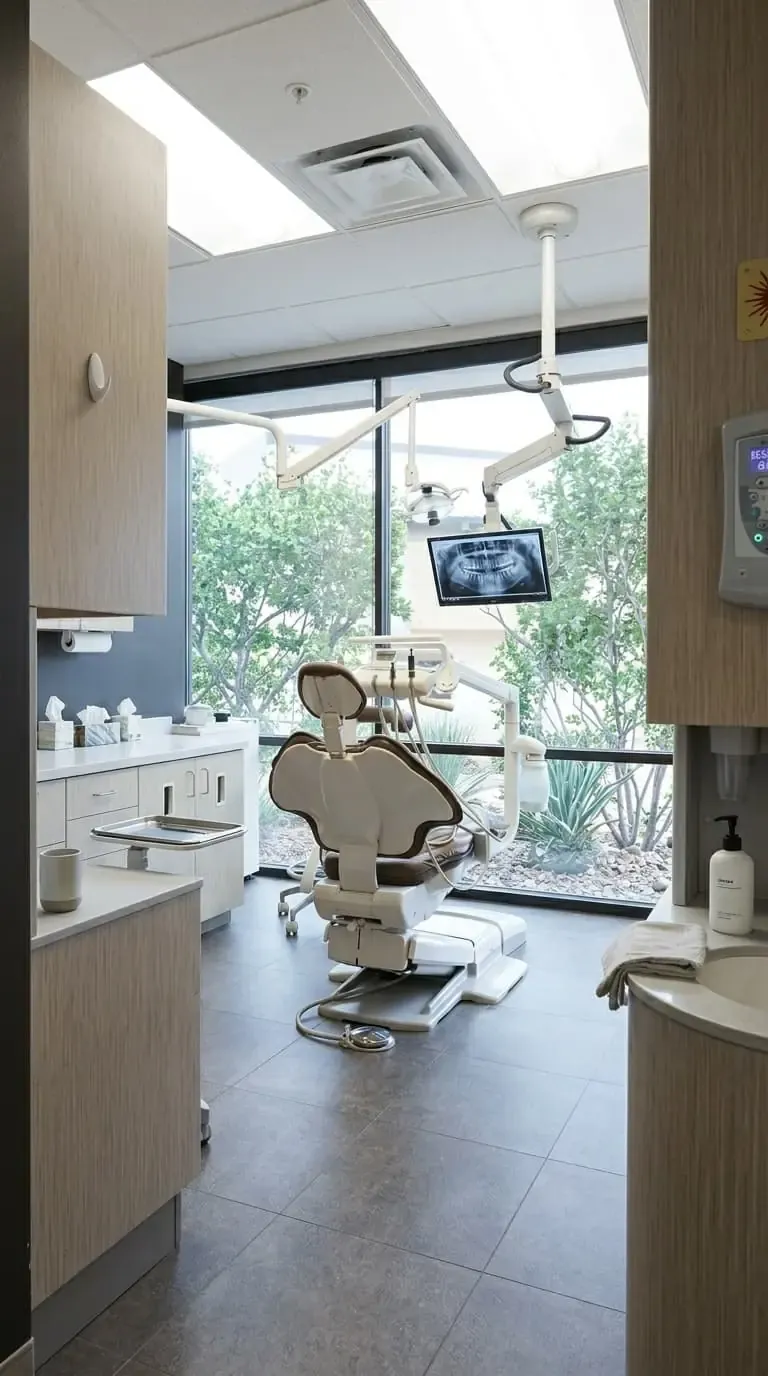
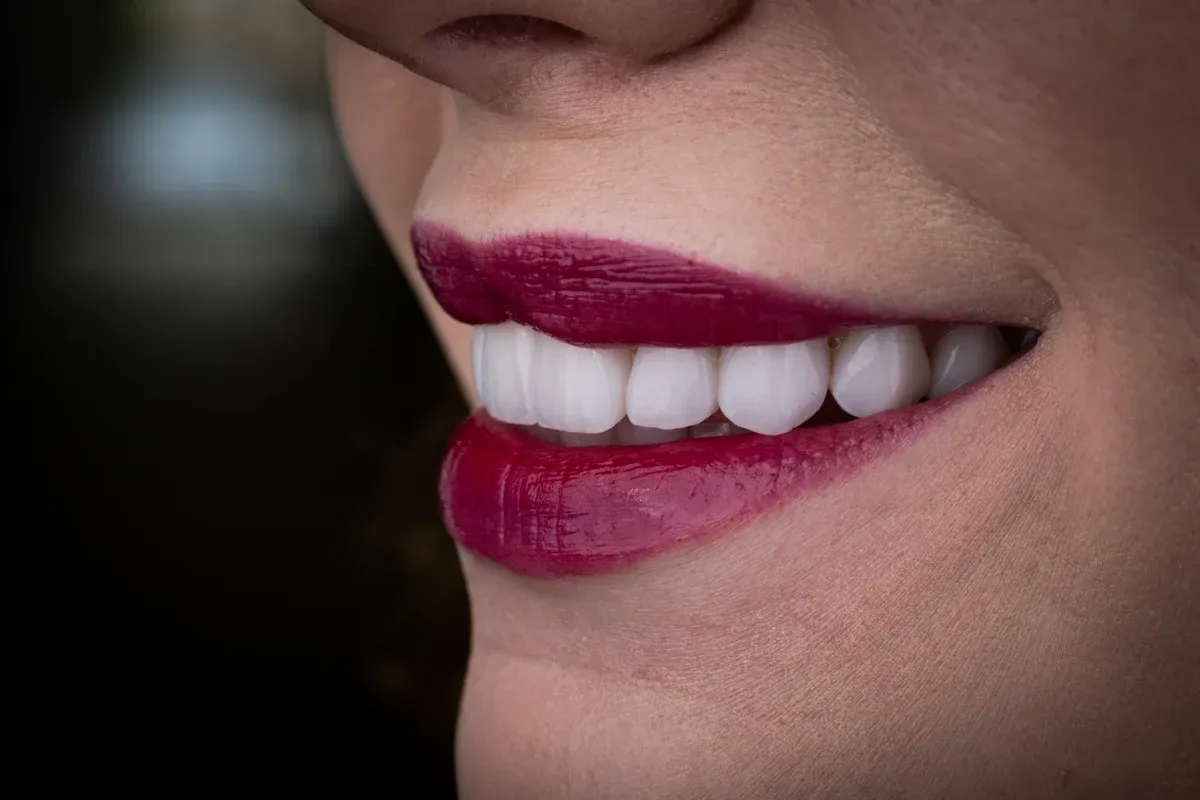

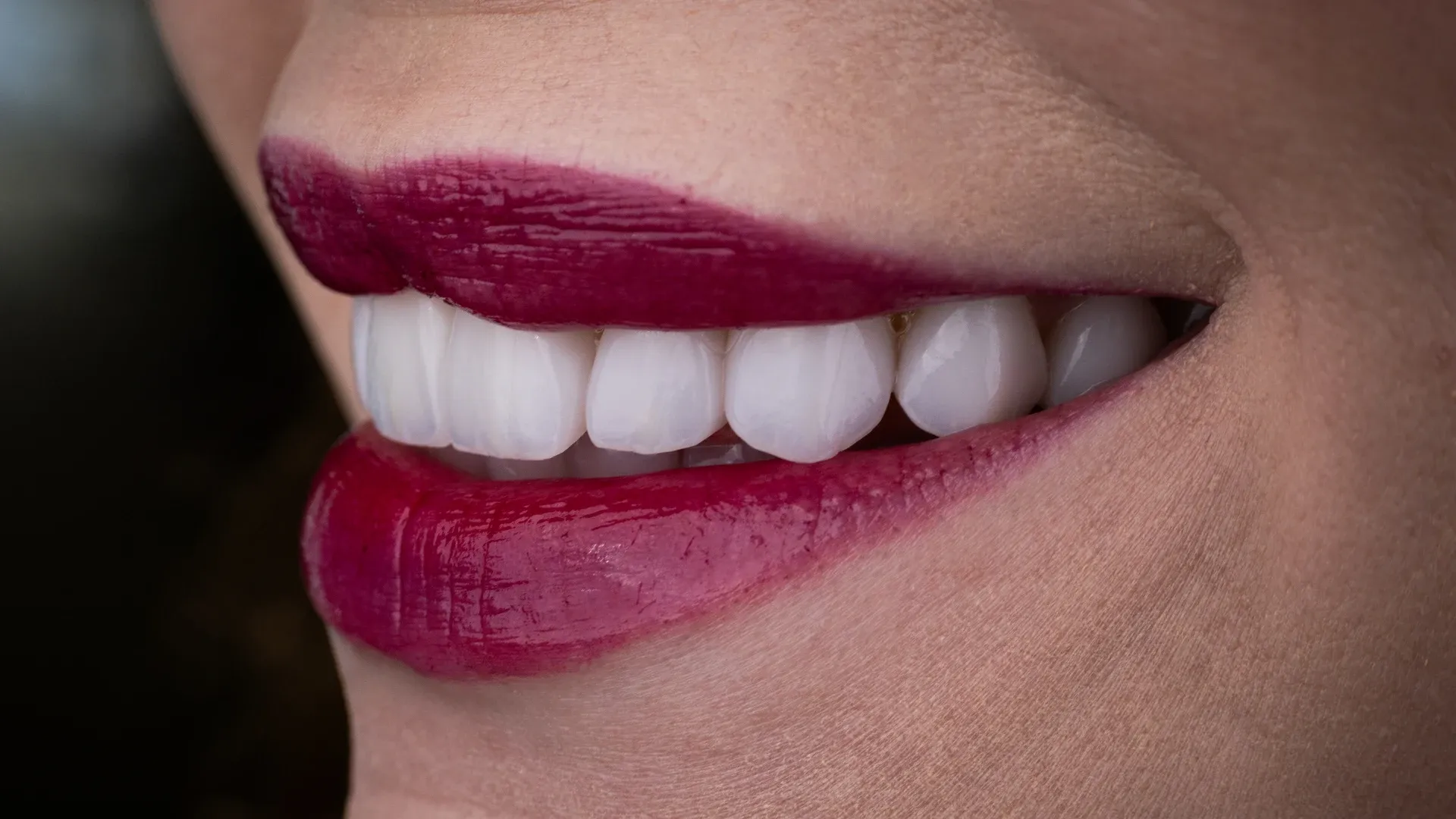
Dentists match veneers to your face by studying the shape of your jaw, the width of your smile, your skin tone, and how your lips move when you talk and laugh. The shade, size, and contour of each veneer is calibrated to those specifics, not pulled from a standard template. At Vivid Smiles Dentistry in Parker, CO, Dr. Bryce Richardson, DDS, takes this further by letting you see and approve the designed smile in your own face before any tooth is touched, so the result you get is the result you already said yes to.
The Four Variables Every Cosmetic Dentist Must Balance
A veneer result looks natural only when face shape, facial proportions, skin tone, and existing tooth color are all considered together. Miss one, and the result looks off.
- Face shape: Tooth width, length, and edge shape should echo the face’s geometry. Rounder faces suit softer incisal (biting edge) curves; angular faces carry bolder, squarer edges.
- Facial proportions: The 4-8-10 ratio guides how wide teeth appear relative to each other. When this ratio is ignored, the smile looks unbalanced even if the individual veneers are beautiful.
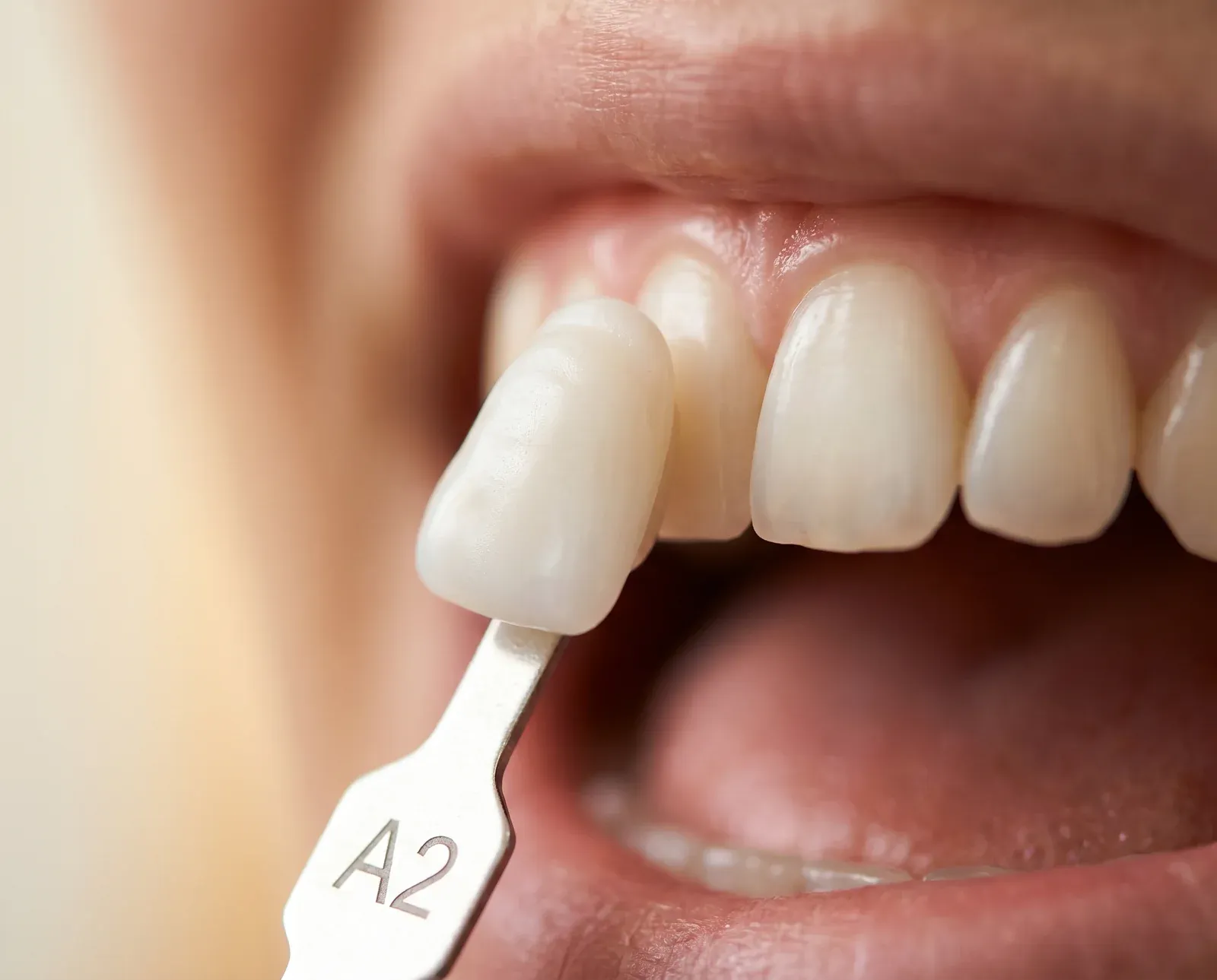
- Skin tone: Lip color and skin undertone shift how a shade reads in real light. At Vivid Smiles, shade tabs are held at the lip line in natural light, not just compared to adjacent teeth.
- Existing tooth color: Porcelain veneers at Vivid Smiles Dentistry are matched to underlying tooth structure so the final shade stays consistent and stable over time.
How the Shade and Shape Selection Process Actually Works
Shade and shape selection at Vivid Smiles follows a precise clinical sequence, completed in full before a single tooth is touched.
- Facial photography and analysis: Digital photography captures your face, lip dynamics, and smile line, giving Dr. Richardson the proportional data that drives every decision that follows.
- Shade-tab matching in real light: Shade tabs are held at the lip line, not just against adjacent teeth, under both natural and operatory light, since lip color and skin undertone change how a shade reads in person.
- Digital Smile Design simulation: The planned result is mapped to your actual face using Digital Smile Design software, so you see the shape, length, and shade on your smile before any preparation begins.
- Trial smile mock-up: A physical mock-up is placed over your existing teeth for in-person approval. The finished veneer smiles in our gallery reflect cases approved through this exact process.
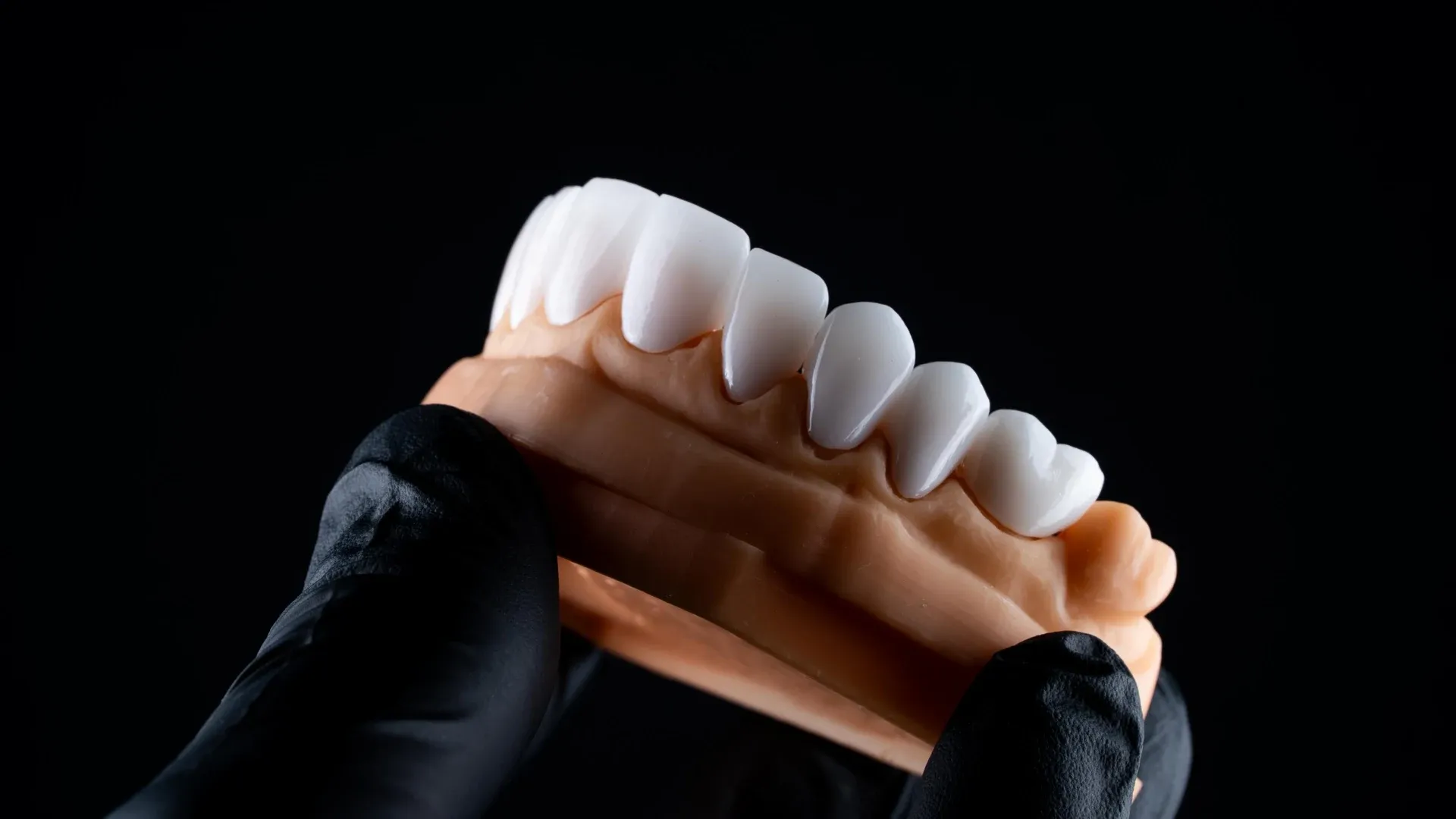
- Material selection: Lithium disilicate (e.max) is used for the Artistic Series Porcelain Veneers, and its layered translucency mimics how natural enamel interacts with light in a way composite resin can’t replicate.
Why Veneers Sometimes Look Fake and How to Avoid It
Veneers look fake when the shade is chosen without looking at the whole face, when one standard shape gets applied to every patient, or when lab quality falls short.
Shade picked in isolation is the most common mistake. A bright white that photographs well in a lab can look jarring against certain skin tones, lip colors, and natural lighting. Shape matters just as much: a single template applied to every patient produces that uniform, too-perfect row that people immediately recognize as veneers. Different veneer types carry different risks here too, since thicker materials require more tooth reduction, and aggressive prep work removes the natural contour that makes a smile look real. No-prep and minimal-prep veneers preserve that structure, which is part of why the result reads as natural.
At Vivid Smiles, there are no templates. Every result is calibrated to the individual face before a single tooth is touched.
Frequently Asked Questions About Veneer Matching
What is the 4-8-10 rule for veneers?
It’s a proportion guideline: the central incisors (front two teeth) should be roughly 4 units wide, the lateral incisors 8, and the canines 10, relative to each other. It gives dentists a starting point for width ratios that read as natural to the eye.
Can veneers match the natural look of your teeth?
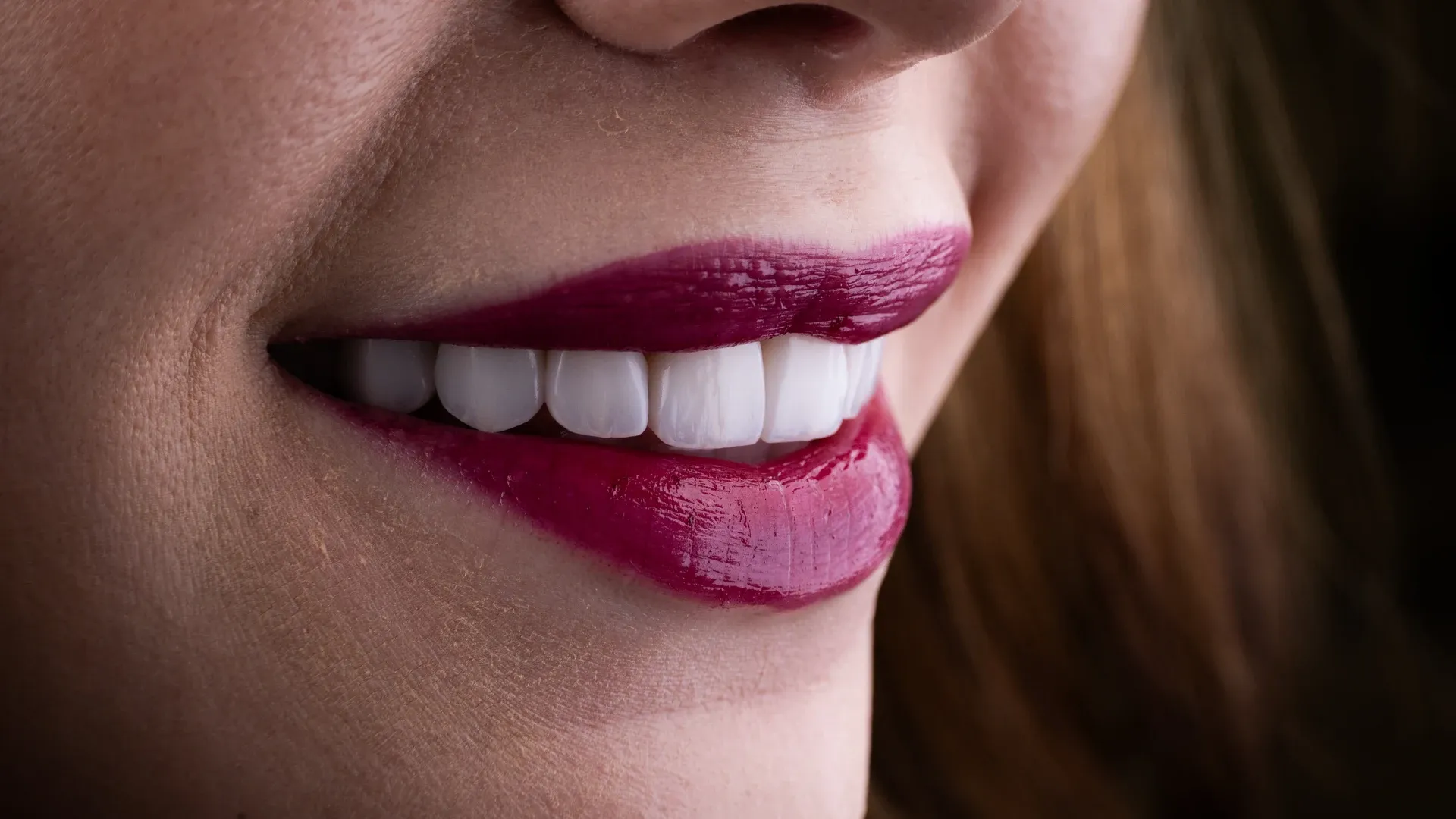
Yes. Lithium disilicate (e.max) veneers mimic the way natural enamel reflects light, which is what makes them look like real teeth rather than plastic. The match depends on the skill of the dentist and the quality of the lab.
What is the most popular color for veneers?
A1 is the most commonly chosen shade because it sits in the natural tooth range without looking stark. B1 is a step brighter and works well for patients who want a noticeably whiter result without crossing into the “Hollywood white” range.
What kind of veneers look most natural?
Porcelain and lithium disilicate look the most natural because of their translucency and layered finish. Research published by the National Library of Medicine supports minimal-prep designs as the most aesthetically reliable long-term.
Your Smile Is Designed Around Your Face
Matching veneers to your face is a precise process that goes far beyond choosing a shade from a chart. The details decided before any tooth is touched, your lip line, facial proportions, and how your smile moves, are what separate a natural result from one that looks off.
Vivid Smiles Dentistry uses Digital Smile Design and a trial smile preview so you can see your results on your own face before committing to anything. Schedule your complimentary consultation to get started with Dr. Richardson.