

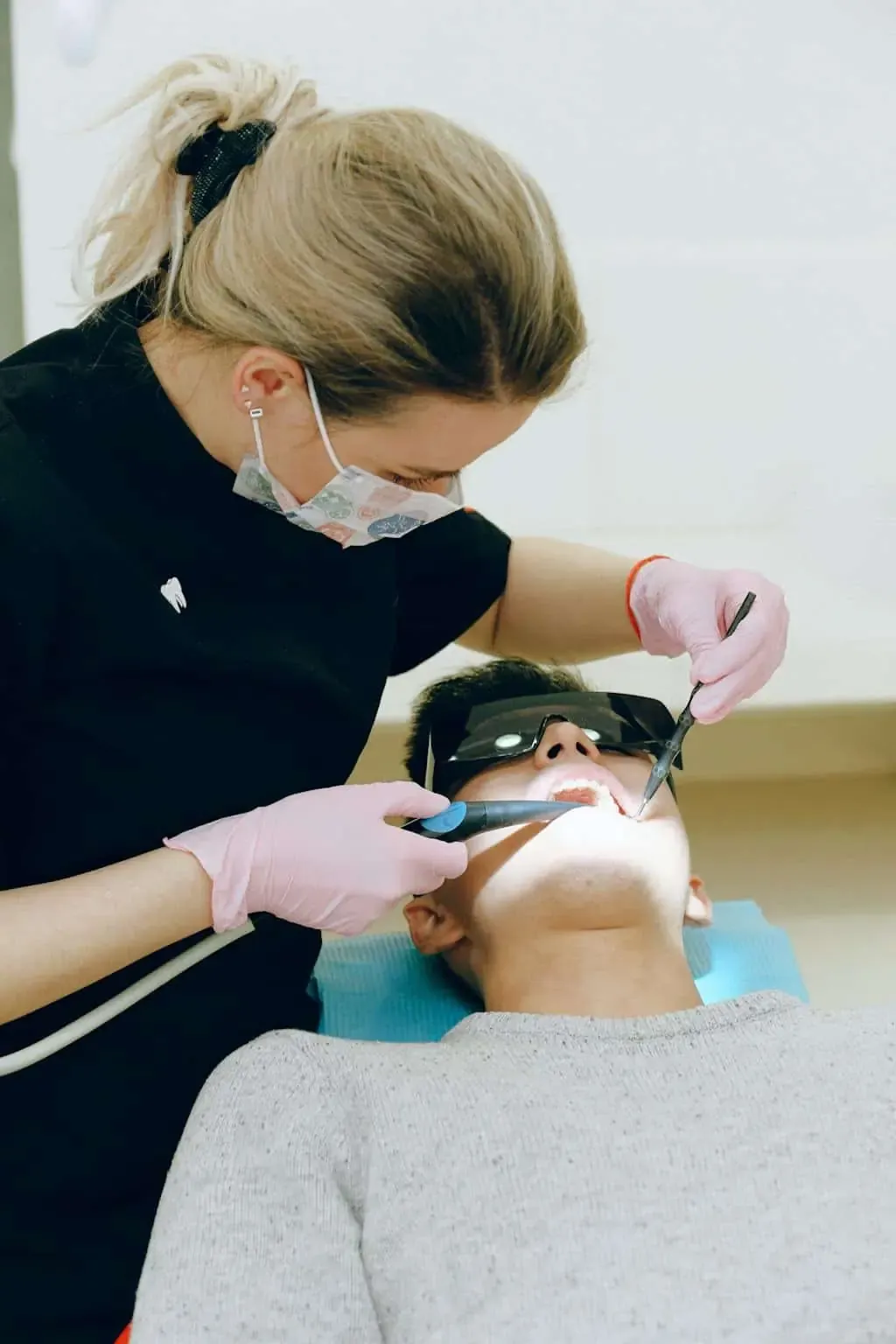
Most hairline cracks in teeth are surface lines that never need treatment. But some go deeper, and the difference determines whether you need a cosmetic fix or something more involved. This guide covers how to tell them apart, when to act, and your options.
What Are Hairline Cracks in Teeth? (Are They the Same as Craze Lines?)
Not all cracks in teeth are equal, and that determines whether you need treatment.
A craze line is a surface crack confined to the outer enamel (the outer shell of a tooth). It never reaches the living tissue underneath. These are common in adults of all ages, including people in their 20s, and they don’t compromise the tooth’s structure.
A hairline crack goes deeper, into the dentin (the softer layer beneath enamel) or beyond. At Vivid Smiles, the diagnostic process uses transillumination (shining a focused light through the tooth to reveal how far a crack travels) and a bite test (biting a small tool and releasing to pinpoint where discomfort originates), since neither shows reliably on an X-ray.
The clinical threshold is straightforward: a crack past the DEJ (dentinoenamel junction, the boundary between enamel and dentin) needs attention, while one confined to the enamel surface does not. Crack orientation matters too. Horizontal cracks carry different risks than vertical ones, which can travel toward the root.
To understand where your smile stands, cosmetic dentistry at Vivid Smiles starts with this honest diagnostic conversation.
What Causes Hairline Cracks and Craze Lines in Teeth?
Most hairline cracks trace back to repeated stress on enamel, not a single traumatic event.
Bruxism (teeth grinding) is the most common culprit. The constant low-grade force of grinding wears down enamel and drives fine cracks into the surface over months or years. Biting hard foods and ice creates sudden pressure spikes that do the same, but faster. Temperature extremes matter too: drinking hot coffee, then cold water causes enamel to expand and contract, and that thermal cycling adds up.
Craze lines that show up in your 20s almost always point to a habit, not aging. Orthodontic pressure from orthodontic treatment can also produce surface craze lines as teeth shift position.
This matters for cosmetic patients too: the same habits that crack natural enamel also shorten the lifespan of restorations. Grinding, for example, can fracture a veneer the same way it fractures a tooth.
Symptoms of a Hairline Crack: When to Seek Assistance
A hairline crack needs attention when it causes pain, sensitivity, or recurring symptoms.
- No pain: Points to a craze line, a surface scratch in the enamel. It looks concerning but seldom needs treatment beyond monitoring.
- Sharp pain when biting or releasing: The classic symptom. Pain on release is especially telling, the crack flexes open, then snaps shut.
- Cold or sweet sensitivity: Brief, sharp sensitivity after a sip of cold water or something sweet signals the crack may be near the nerve layer.
- Intermittent pain you can’t locate: Crack pain is tough to pin down. It comes and goes, which makes it easy to dismiss.
- Pain that lingers or throbs: Throbbing pain that doesn’t fade within seconds suggests the pulp (the nerve tissue inside the tooth) may already be involved, which needs urgent evaluation.
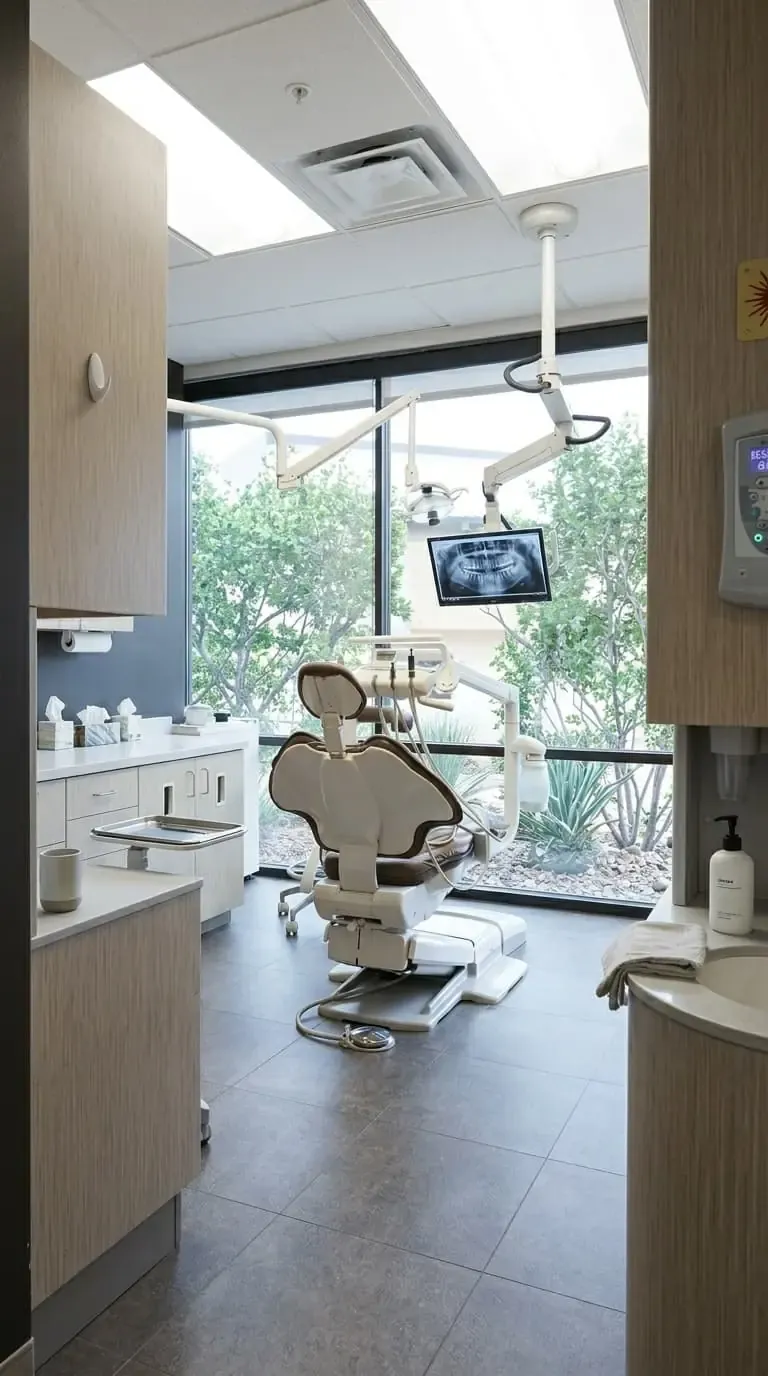
Chairside, a dentist confirms what’s happening with two tools: a bite test isolates which cusp triggers pain, and transillumination makes cracks visible that X-rays miss. If you notice these symptoms, scheduling a dental exam in Parker is the best next step.
Treatment Options: From Monitoring to Full Cosmetic Repair
Treatment depends on crack depth, from no intervention to full restoration.
- Craze lines (surface-only hairlines): Seldom need treatment. Monitoring, polishing, or professional whitening is often sufficient.
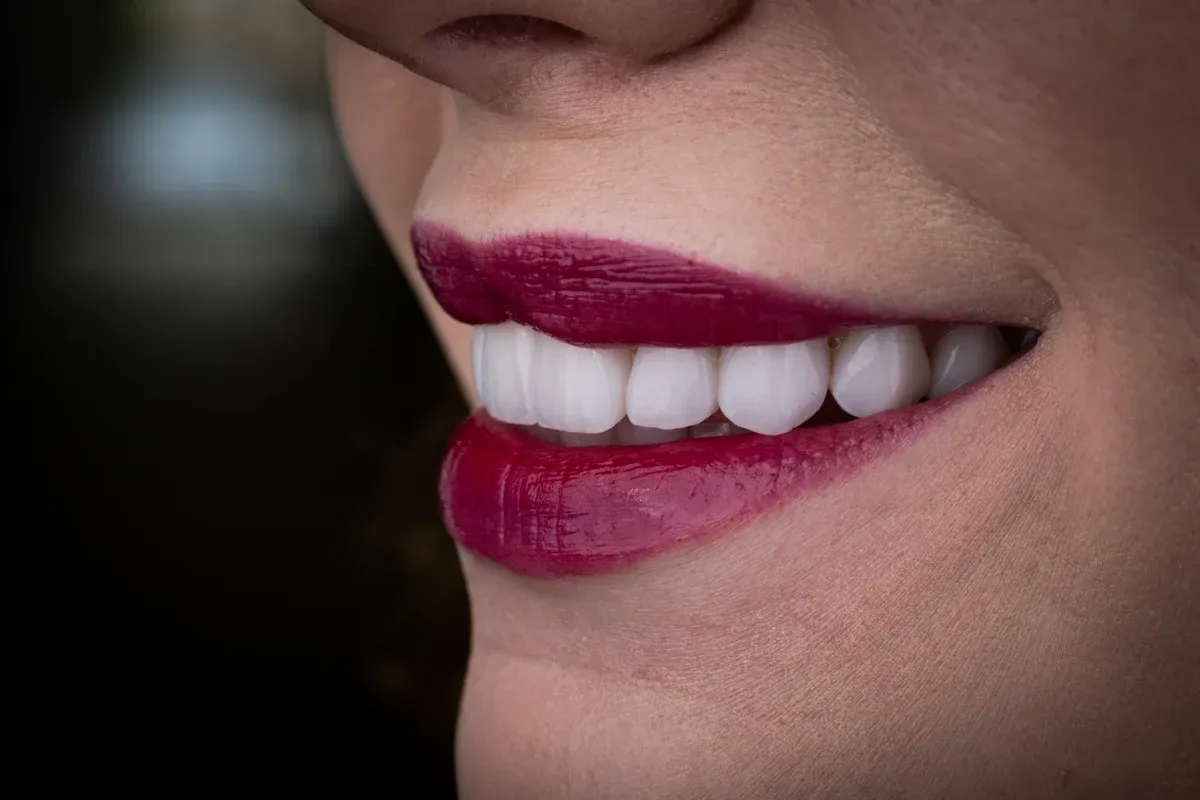
- Cosmetic repair with porcelain veneers: A custom shell bonded to the front of the tooth masks the fracture, shields the enamel surface, and upgrades the smile. For front teeth, it’s often the most complete solution available.
- Dental bonding: Tooth-colored resin fills minor cracks, usually in one visit.
- Dental crown: A full-coverage cap protects teeth with deeper structural damage.
- Root canal before restoration: Cracks reaching the pulp need the nerve treated first, then a crown.
Can Hairline Cracks in Teeth Heal?
Enamel cannot regenerate, so a true crack does not heal. Craze lines will not disappear, but they also will not deepen under normal conditions.
Remineralization, restoring minerals to enamel through fluoride and saliva, is valuable. It reduces sensitivity and strengthens enamel, but it can’t close a physical fracture line; it supports healthy enamel at any stage without ever reversing a crack.
Hairline cracks do not heal in days, weeks, or months, and home remedies don’t change that. Protective habits slow progression, reduce sensitivity, and buy time before a crack becomes more serious.
Frequently Asked Questions About Hairline Cracks in Teeth
Is it normal to see hairline cracks in teeth?
Yes, hairline cracks (also called craze lines) affect most adults. They develop from years of chewing, grinding, and temperature changes, the ordinary wear on enamel.
Are hairline cracks serious?
Most are surface-level and don’t threaten the tooth. When a crack extends deeper or causes recurring sensitivity or sharp discomfort, it needs professional evaluation.
Should I be worried about a hairline crack?
A crack with no symptoms and no visible spread is low risk. If you notice pain when biting, sensitivity to hot or cold, or a line that looks darker or longer, get it checked.
How do dentists fix hairline cracks?
Treatment depends on how deep the crack goes. Shallow craze lines often need no treatment; deeper cracks may be smoothed, bonded, covered with a porcelain veneer, or protected with a crown.
At what age are craze lines normal?
Craze lines can appear as early as your twenties and become more common after 40. Age alone doesn’t determine whether treatment is needed, the symptoms and crack depth do.
Will a hairline crack heal on its own?
Enamel cannot regenerate, so a crack that forms won’t close or repair itself. What matters is stopping it from getting deeper, which is where early evaluation makes the biggest difference.
Prevention: Habits That Protect Enamel Long-Term
The best protection for enamel is a short list of consistent habits, not a complicated routine.
If you grind your teeth, a custom nightguard is the most effective safeguard, since grinding puts more cumulative stress on enamel than almost any other habit. Chewing ice and hard foods like popcorn kernels causes the same repeated impact that starts craze lines. Alternating between hot and very cold drinks stresses enamel the same way temperature changes stress glass. Fluoride toothpaste and fluoride rinses keep enamel dense and more resistant to minor fractures.
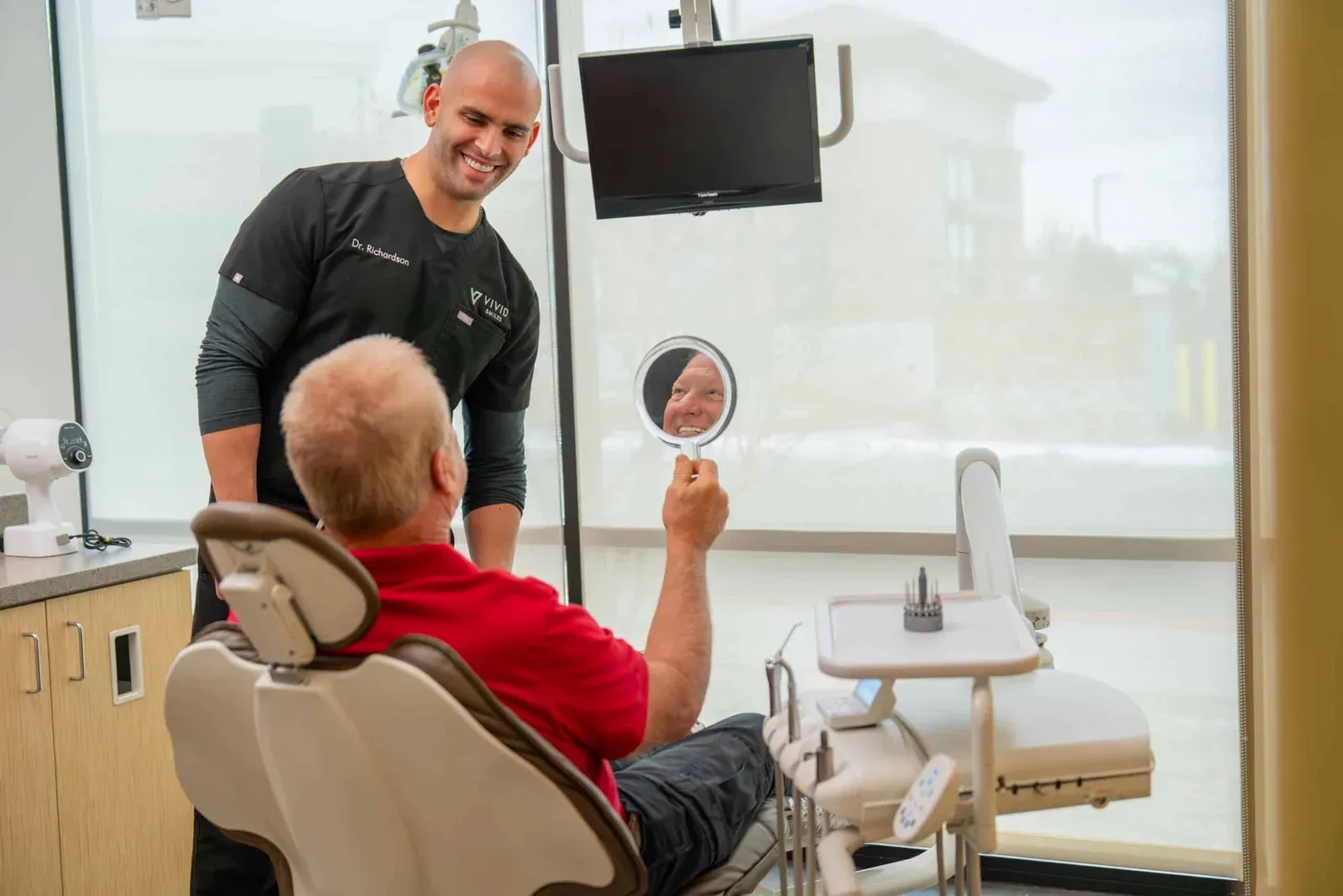
Routine exams let Dr. Richardson detect progression before a cosmetic issue becomes structural, and these habits matter even more once you’ve invested in porcelain veneers: protecting the tooth underneath protects the result.
Your Next Step Starts Here
Most hairline cracks are treatable, and identifying them early gives you more options, including cosmetic ones that make your smile look better. A proper diagnosis is what separates a quick veneer appointment from a bigger fix down the road.
Vivid Smiles Dentistry in Parker offers on-site diagnosis and porcelain veneers placed by Dr. Bryce Richardson, DDS. Call or book online at 17167 Cedar Gulch Pkwy, Suite 102, Parker, CO 80134.